What bundling actually means
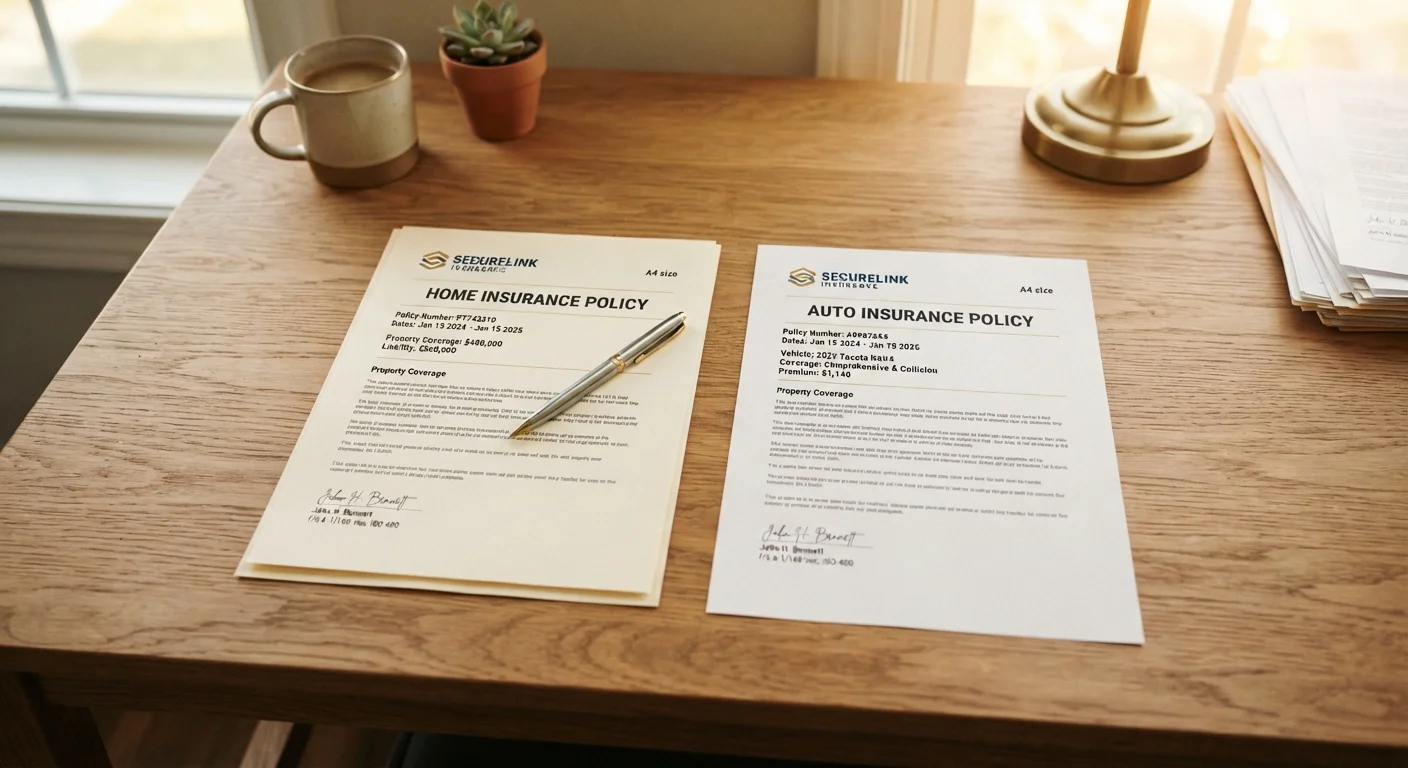
Bundling means purchasing more than one insurance policy from the same carrier, typically home (or renters) and auto together. The policies remain separate contracts with their own coverage terms, deductibles, and limits. What changes is the account relationship: one insurer, often one billing statement, and a potential multi-policy discount applied to one or both premiums.
Before reviewing the trade-offs, it helps to understand what each policy covers on its own. If you are new to home coverage, our plain-English breakdown of standard home insurance explains the dwelling, liability, and personal property components. For auto coverage basics, the auto insurance hub covers coverage types and how plans compare.
Potential advantages
Single billing cycle reduces administrative work
Managing one account for both policies means one renewal date to track and one payment to make, which reduces the chance of a lapse from a missed bill.
Multi-policy discount may lower total premium
Many insurers apply a discount to one or both policies when they are purchased together. The actual dollar impact depends on the carrier, your location, and your individual risk profile.
One claims contact for both policy types
If a single incident affects both your vehicle and your property, having one insurer can simplify the coordination of related claims, though each claim still follows its own policy terms.
Simpler account management over time
Policy changes, address updates, and coverage reviews can be handled through one insurer relationship rather than two, which some policyholders find easier to maintain.
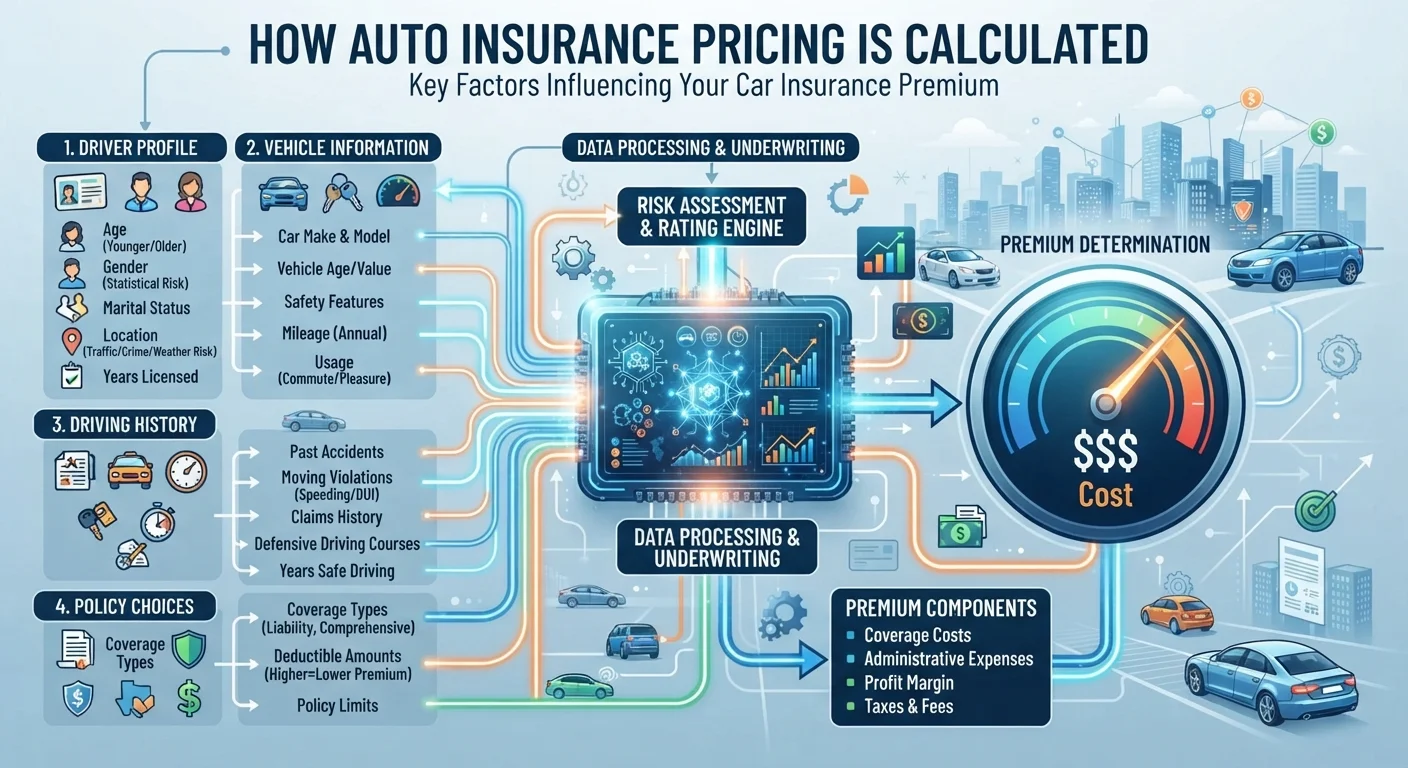
The multi-policy discount is the most cited reason to bundle, but the size of that discount varies significantly by insurer and by state regulation. Discounts are not uniform, so a quoted percentage should be verified against actual premium figures rather than accepted at face value. To understand what goes into your auto rate specifically, this overview of auto insurance pricing explains the variables insurers weigh.
Potential drawbacks
Discount may not outweigh separate policy savings
A bundled discount applies to one carrier's base rates. If that carrier's rates are higher than a competitor's, the bundle discount may still leave you paying more overall.
Switching one policy disrupts the bundle
If you find a better auto rate elsewhere, moving that policy means losing the multi-policy discount on your home policy too, which can raise the total cost of splitting.
Coverage quality varies independently of bundling
The fact that two policies are bundled says nothing about whether their coverage limits, exclusions, or claim service are strong. Each policy still needs individual review.
One insurer may not be strong in both policy types
Some carriers are more competitive on home insurance in certain states, while others are stronger on auto. Bundling means accepting one carrier's relative strengths and weaknesses across both.
Fewer options when one policy becomes difficult to renew
If your insurer decides not to renew your home policy after a claim, the auto policy that was bundled with it may also need to move, forcing a simultaneous search for both coverages.

One issue that catches policyholders off guard is coverage gaps. Bundling does not close gaps that exist in either policy; it only combines the billing relationship. Floods, high-value jewelry, and home-based business equipment, for example, often fall outside standard home policies regardless of whether they are bundled. A closer look at commonly overlooked coverage gaps is worth reading before finalizing any policy combination.
How to compare bundled and separate options
Start by collecting a bundled quote and separate quotes for the same coverage levels. Matching coverage limits and deductibles is necessary for a valid comparison; a bundled quote that looks cheaper may simply carry lower limits. Reviewing the key factors in auto insurance plans can help you check that the auto side of a bundle holds up under scrutiny.
Also consider timing. Major life events such as moving, marriage, or adding a teen driver can shift what coverage you need, and those changes may make one insurer a stronger fit than another. If you are about to renew one policy, that is a practical moment to request competing quotes for both.
For a structured checklist before committing, these questions to ask before choosing an auto insurance plan apply equally when you are evaluating a bundle. Ask your insurer specifically what happens to each policy's premium and terms if you later remove one from the bundle.
This article is for general informational purposes only and is not personalized insurance, financial, or legal advice. Coverage terms, discounts, and eligibility vary by provider and state. Read your policy documents carefully and consult a licensed insurance agent for guidance on your specific situation.