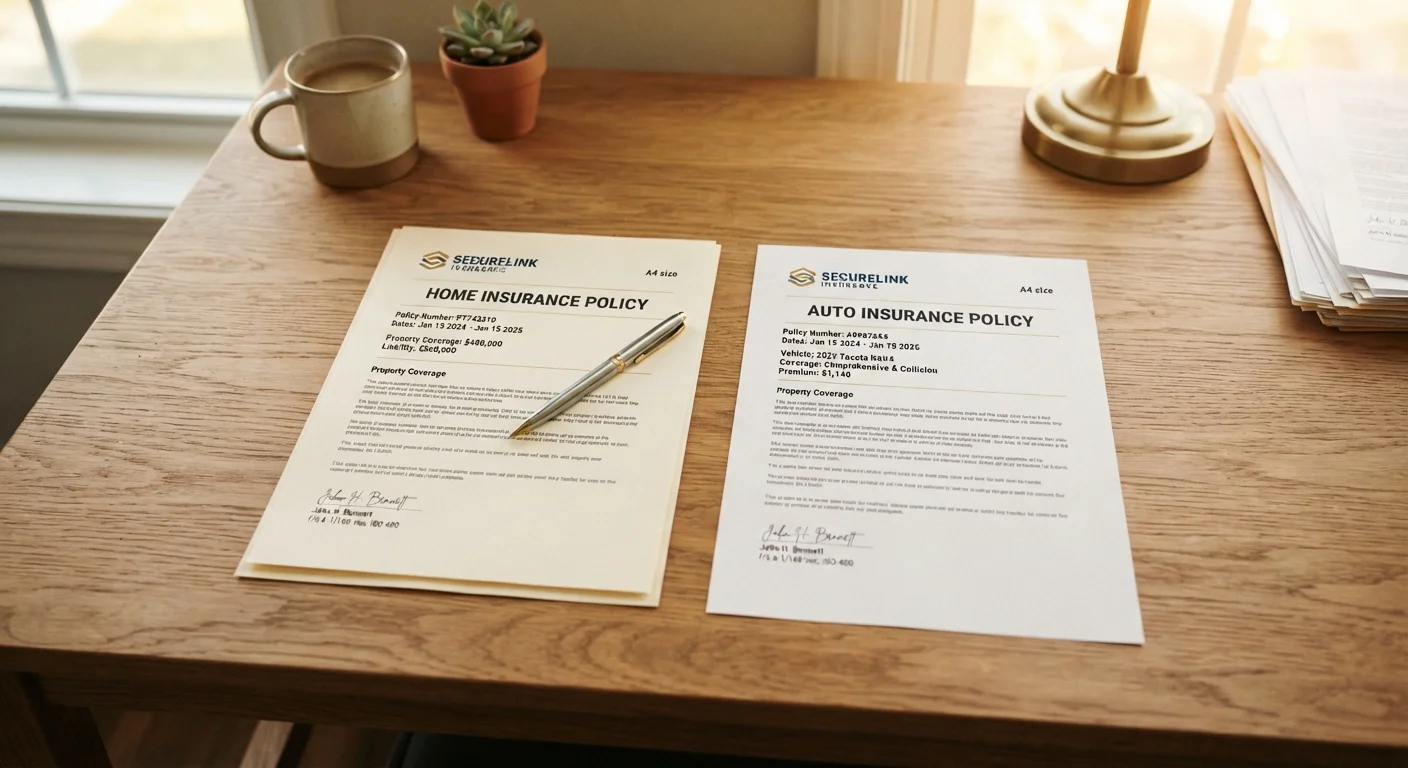
Use this checklist to make sure you understand your coverage limits, exclusions, and claims process before committing to any auto insurance plan.
Key Takeaways
State minimums set a floor, not a sufficient coverage level, for most drivers.
Deductibles directly affect both your monthly premium and your out-of-pocket cost after a claim.
Exclusions buried in policy language can leave you without coverage when you expect it most.
The claims process varies by insurer, and slow or difficult processes affect your real-world experience.
Your coverage needs can shift after major life events, so a policy that fits today may not fit later.
Why these questions matter before you commit
Signing up for an auto insurance plan without asking the right questions is one of the more common ways drivers end up underinsured or surprised at claim time. Coverage terms, exclusions, and payout methods vary more than most people expect, and the differences matter when something actually goes wrong.
This checklist is general educational information, not personalized insurance or legal advice. Your situation, state, and insurer will determine what applies. For decisions about your own coverage, a licensed insurance agent can walk through your specific options.
The questions below are organized so you can work through them in a single conversation with an agent or while reviewing a quote on your own.
Coverage and limits
Start here because limits determine the maximum amount your insurer will pay. Everything else builds on that foundation.
Coverage and limits
Ask what your state's minimum liability requirements are, then ask whether those minimums would realistically cover damages in a serious accident.Must
Confirm the liability limits on bodily injury per person, per accident, and property damage, and understand what you would owe if costs exceed those limits.Must
Ask whether the policy includes uninsured and underinsured motorist coverage, which pays when the other driver has no insurance or not enough.Must
Find out whether comprehensive and collision coverage are included or optional, and what each one actually covers.Should
Ask about medical payments or personal injury protection (PIP) coverage, which helps with medical costs regardless of fault, depending on your state.Should
Exclusions and gaps
Ask the agent to explain the most common exclusions in plain language, including situations where coverage does not apply.Must
Ask whether the policy covers you when driving a rental car or a vehicle you do not own.Should
Confirm whether business use of your personal vehicle is covered, since many personal policies exclude it.Should
Ask about named driver exclusions and whether any household members could be excluded from coverage under this policy.Must
Find out how the insurer values your vehicle after a total loss, specifically whether they use actual cash value, agreed value, or replacement cost.Must
Deductibles and premiums
Ask how your deductible amount affects your premium, and confirm what you would owe out of pocket for each type of claim.Must
Ask what factors the insurer uses to set your rate, such as driving history, credit score (in states where it is permitted), and vehicle type.Should
Confirm whether your premium can change at renewal and under what circumstances mid-term rate increases are allowed in your state.Should
Claims process
Ask how to file a claim, including whether you can do it by phone, online, or through an app.Must
Ask what the typical timeline is from filing to settlement for common claim types.Should
Confirm whether you can choose your own repair shop or whether the insurer requires you to use a specific network.Should
Ask how disputes over claim amounts or denials are handled, and whether the policy includes an appraisal or arbitration clause.Should
Find out what documentation you should keep on hand, such as photos, police reports, and repair estimates, to support a future claim.Nice to have
The declarations page summarizes your coverage limits, deductibles, and policy period in one place.
Exclusions are the conditions under which your insurer will not pay a claim. They are written into every policy, but they are easy to overlook when comparing quotes.
Low-cost policies often carry narrow coverage
A policy with a very low premium may have tight exclusions or low limits that leave significant gaps. Read the exclusions section of any policy document before signing, not just the summary page. If something is unclear, ask the agent to explain it in writing.
Also ask how your insurer values a vehicle after a total loss. The difference between agreed value, actual cash value, and replacement cost affects how much you receive. This breakdown of the three valuation methods explains what each one means for your payout.
Deductibles, premiums, and claims
Your deductible is the amount you pay out of pocket before your insurer covers the rest of a claim. A higher deductible generally means a lower monthly premium, but it also means more cost on your end after an accident.
Minimum coverage is not the same as adequate coverage
State minimums define the least amount of liability coverage you must carry to drive legally, not the amount likely to cover real costs after a serious accident. Medical bills and vehicle damage can easily exceed minimum limits, leaving you personally responsible for the difference. A licensed agent can help you assess what limits make sense for your assets and driving patterns.
The claims process is worth investigating before you need it. Ask specifically how to file, how long settlement typically takes, and whether you can choose your own repair shop.
Auto Editorial Team is the collective byline for our editorial team and contributor network. Articles published under this byline or an editorial pen name are researched, written, and reviewed according to our editorial standards for clarity, consistency, and independence before publication.
The content provided on our blog site traverses numerous categories, offering readers valuable and practical information. Readers can use the editorial team’s research and data to gain more insights into their topics of interest. However, they are requested not to treat the articles as conclusive. The website team cannot be held responsible for differences in data or inaccuracies found across other platforms. Please also note that the site might also miss out on various schemes and offers available that the readers may find more beneficial than the ones we cover.