Why the premium is only part of the picture
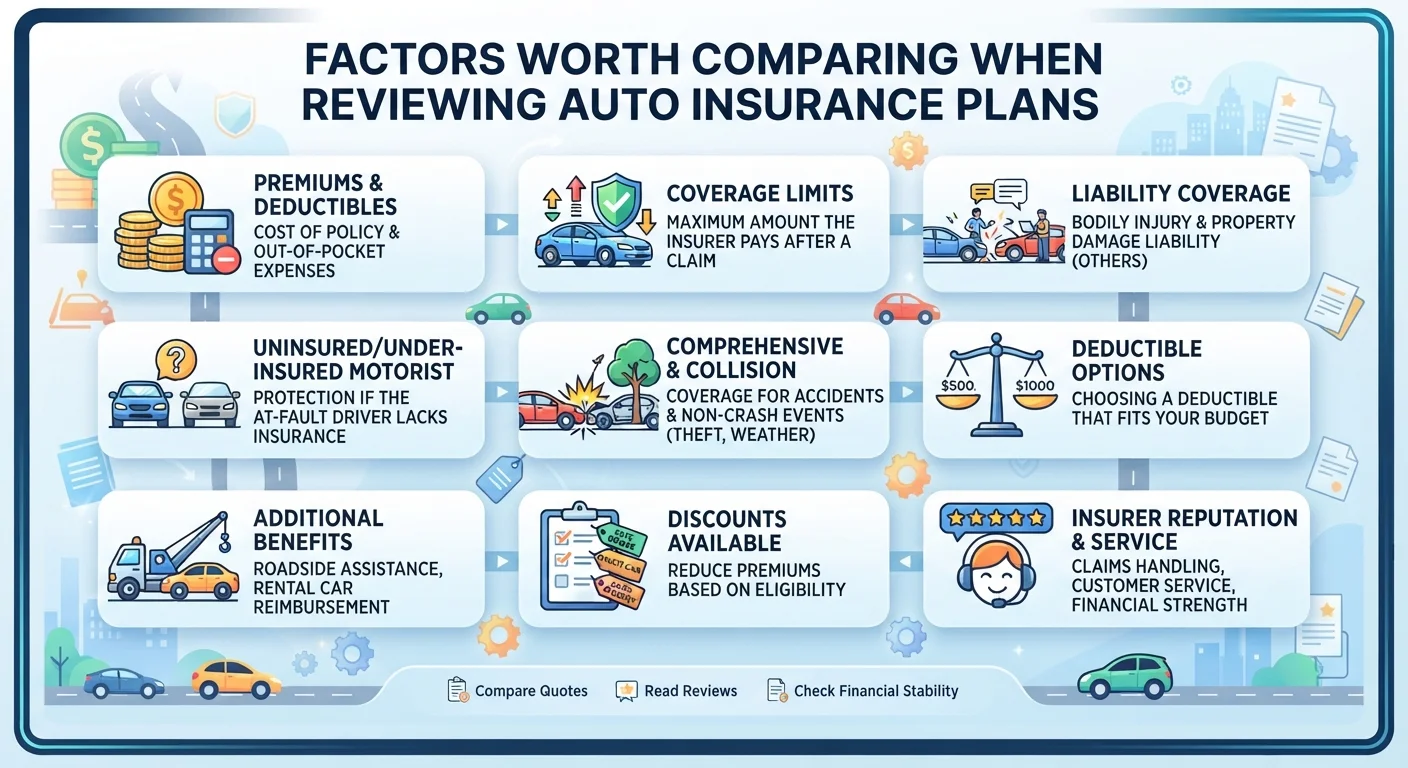
When you get quotes for auto insurance, the monthly or annual cost is the first number you see. It is also the least complete way to compare plans. Two policies can carry the same premium and pay out very differently after an accident, because the coverage limits, deductibles, and included protections differ.
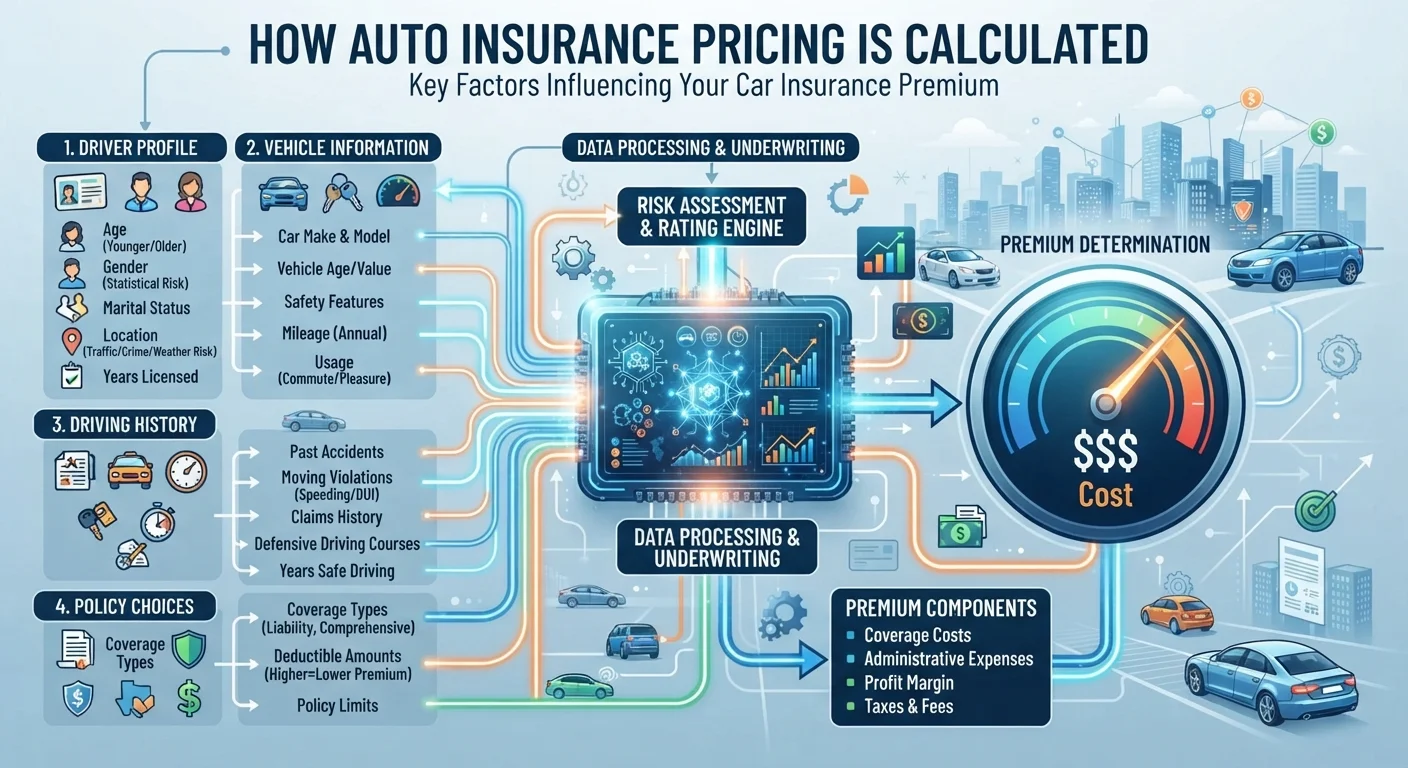
Understanding what goes into a plan helps you avoid choosing one that looks affordable until you actually need it. For more on how insurers arrive at your rate in the first place, see how auto insurance pricing is calculated.
Coverage types and what each one does
Auto insurance is not a single product. It is a set of coverage types that can be combined. Most states require a minimum level of liability coverage, which pays for injuries and property damage you cause to others. The state minimum is a legal floor, not a recommendation. A serious accident can produce costs well above what a minimum-limit policy will pay, leaving you personally responsible for the rest.
Beyond liability, common coverage types include:
- Collision: Pays to repair or replace your vehicle after a crash, regardless of fault.
- Comprehensive: Covers damage from theft, weather, fire, and other non-collision events.
- Uninsured/underinsured motorist: Covers your costs when the other driver has no insurance or not enough to cover your damages.
- Medical payments or personal injury protection (PIP): Pays medical costs for you and your passengers after an accident, regardless of fault. PIP is required in some states.
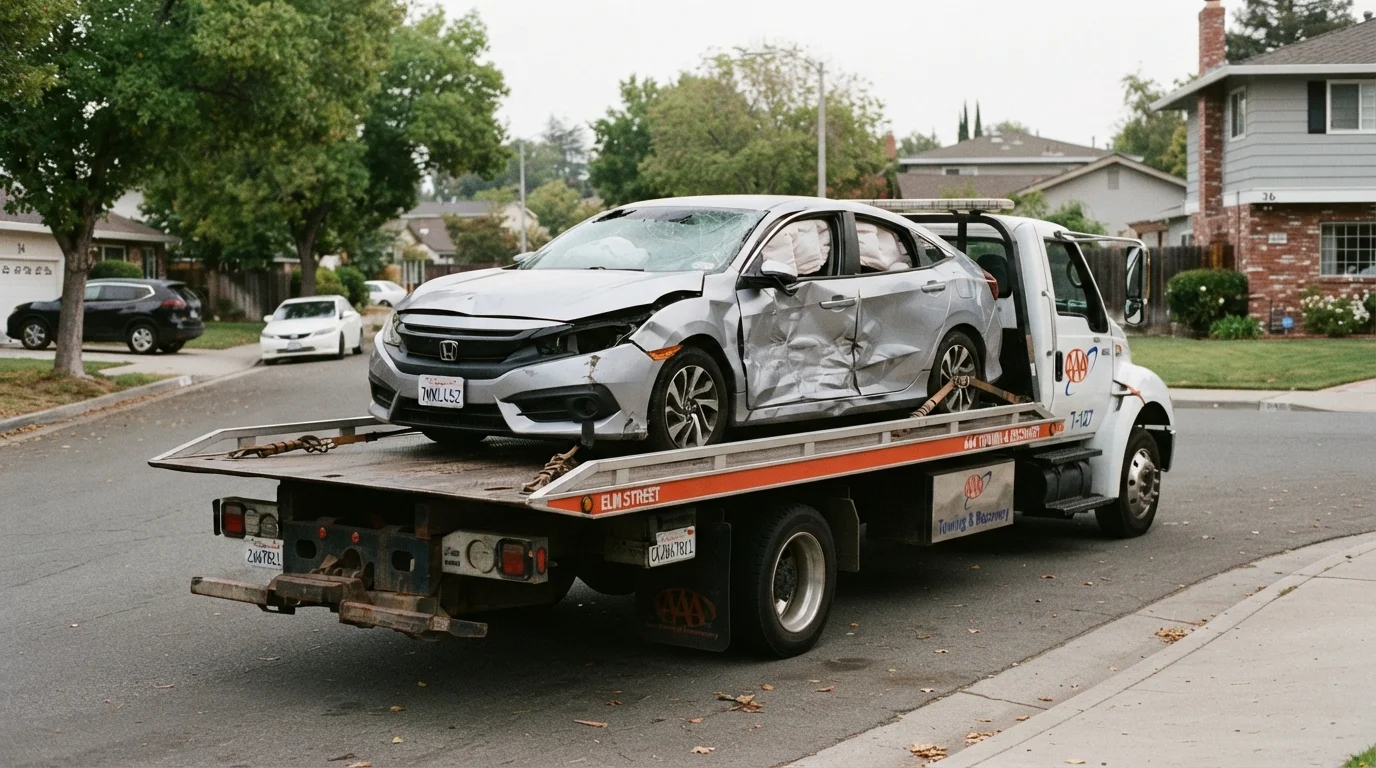
Gap insurance is worth noting separately. If you finance or lease a vehicle, gap coverage pays the difference between what your insurer values the car at and what you still owe on the loan if the car is totaled. Without it, you could owe money on a vehicle you can no longer drive. See how insurers value your car after a total loss for a fuller explanation of valuation methods.
Coverage limits and deductibles
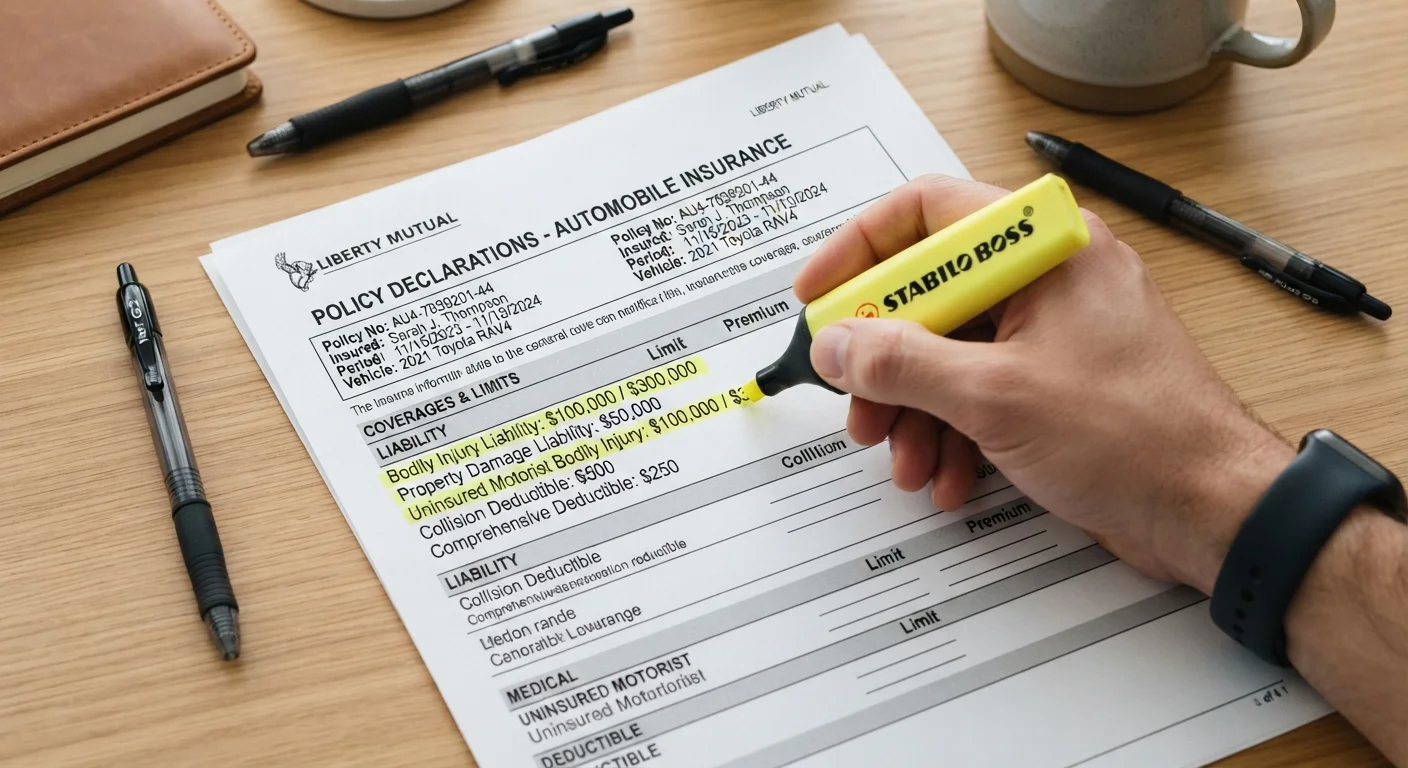
Every coverage type on a policy has a limit, which is the maximum the insurer will pay per claim or per policy period. Liability limits are usually written as three numbers, such as 25/50/25. That means $25,000 per injured person, $50,000 total per accident, and $25,000 for property damage. If the actual costs exceed those figures, the remainder falls to you.
Deductibles apply to collision and comprehensive coverage. A deductible is the amount you pay out of pocket before the insurer covers the rest. A higher deductible generally lowers your premium, but it means more upfront cost after a claim. Choosing a deductible you could not actually pay in an emergency reduces the practical value of the coverage.
| Coverage type | What it covers | Required? | When it matters most | |
|---|---|---|---|---|
| Liability | Injury/damage you cause others | Yes, in most states | Any at-fault accident | |
| Collision | Your vehicle after a crash | No | Crashes regardless of fault | |
| Comprehensive | Theft, weather, fire, non-collision | No | Hail, flooding, theft | |
| Uninsured motorist | Your costs when other driver is uninsured | Required in some states | Hit by uninsured driver | |
| PIP/Med pay | Medical costs for you and passengers | Required in some states | Injury after any accident | |
| Gap insurance | Loan balance above car's value | No | Financed or leased vehicle totaled |
Policy features that affect your experience
Coverage details are the core of any comparison, but policy-level features also matter. The claims process varies across insurers. Some allow digital filing and offer real-time tracking; others require phone calls and manual documentation. Knowing what to expect before a claim helps avoid surprises at the worst time.
Cancellation and non-renewal terms are also worth reading. Some policies charge a fee for canceling mid-term; others do not. Renewal terms can change your rate or coverage without a phone call if you do not review the renewal notice.
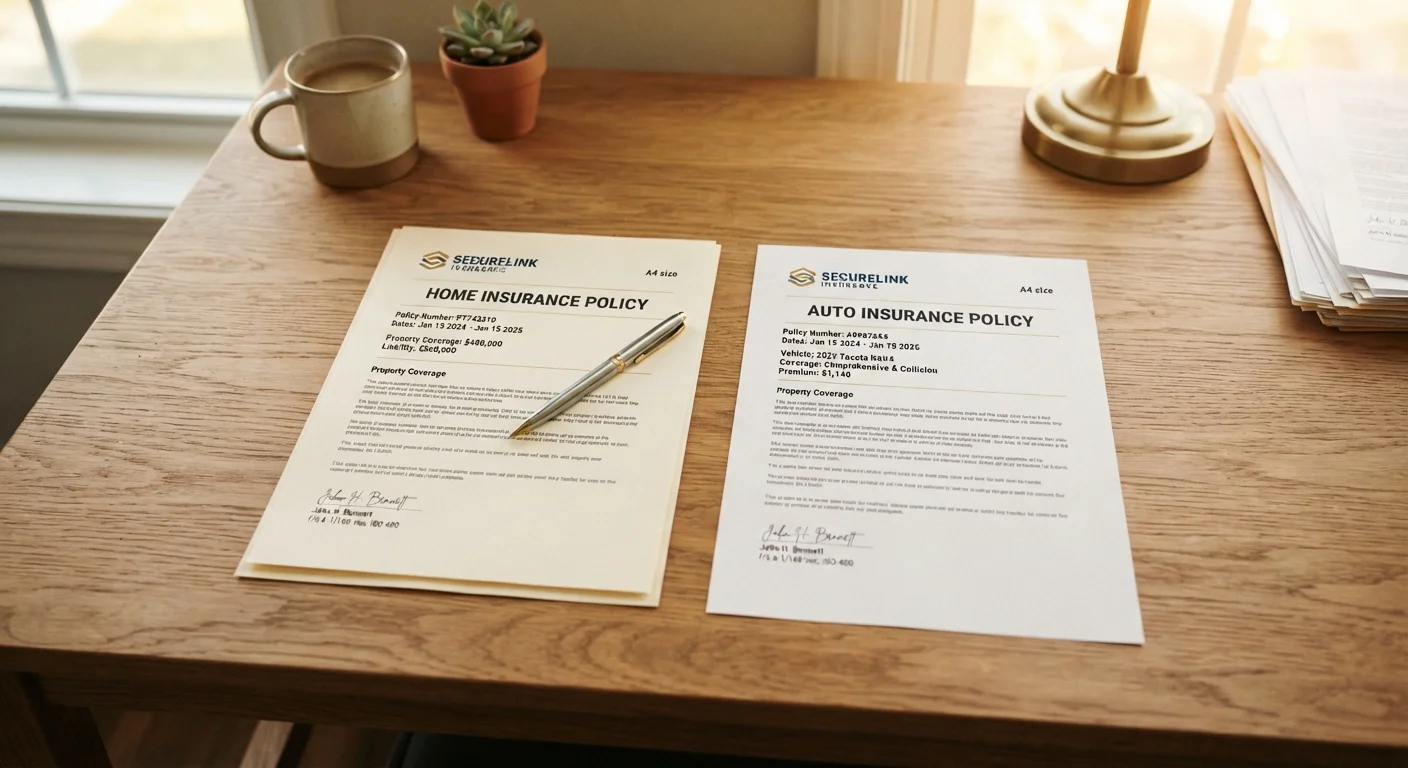
If you bundle auto coverage with a home policy, the structure of both plans may shift. Bundling home and auto insurance can affect premiums on both sides, but it is worth checking each policy individually rather than assuming the bundle improves both.
Once you have a clear sense of what to compare, these questions to ask before choosing a plan can help you confirm that you understand the limits, exclusions, and claims process before committing.
This article is for general informational purposes only and is not personalized insurance, financial, or legal advice. Coverage terms, limits, and availability vary by insurer and state. Read actual policy documents and consult a licensed insurance agent for guidance on your specific situation.