What insurers are actually trying to calculate
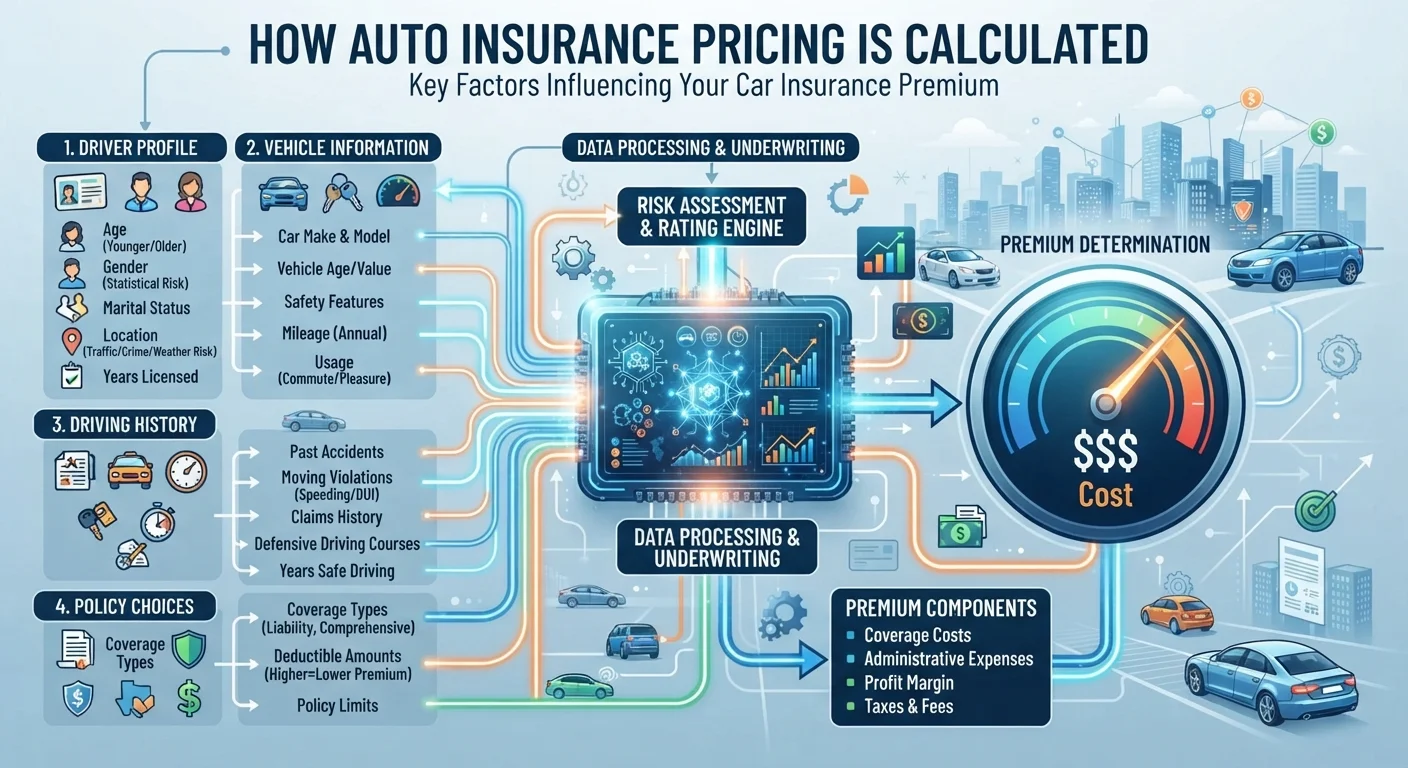
When an insurer sets your premium, it is trying to answer one question: how much is this driver likely to cost us in claims over the next policy period? To answer that, the company runs your profile through a rating model that combines dozens of variables. Each variable nudges the price up or down based on how that characteristic correlates with claims in historical data.
No single factor determines your rate. A minor traffic violation by itself may have a small effect. Paired with a young driver, a high-theft vehicle, and an urban zip code, the combined effect can be substantial. Understanding each piece helps you see why your quote lands where it does.
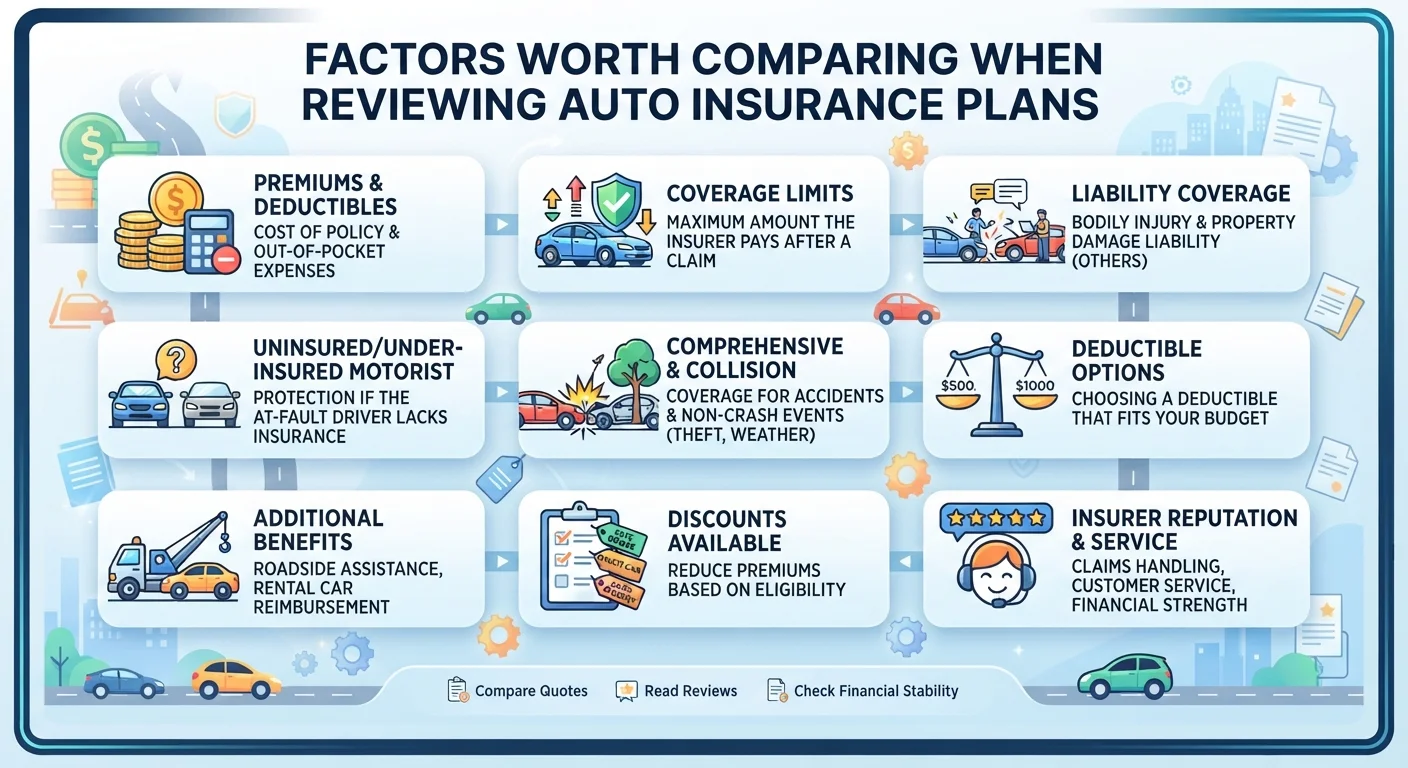
When comparing plans, keep in mind that premium price reflects this risk estimate, not just coverage generosity.
Driver-related factors
Your personal history behind the wheel carries significant weight. Insurers look at your record for accidents, moving violations, and claims over the past three to five years. A DUI conviction typically has a larger effect than a single speeding ticket, though both raise risk in the model.
Age and driving experience also factor in. Newer drivers, particularly teenagers, show higher claim rates in historical data, so their premiums reflect that. Rates often stabilize for drivers in their mid-twenties and tend to be lower for drivers in their thirties through fifties, then can rise again in later years depending on the insurer and state.
In most states, your insurance-based credit score is part of the calculation. This is not your FICO score directly, but a related measure derived from credit data. Insurers have found a statistical correlation between certain credit patterns and claim frequency. California, Hawaii, Massachusetts, and Michigan limit or prohibit this practice.
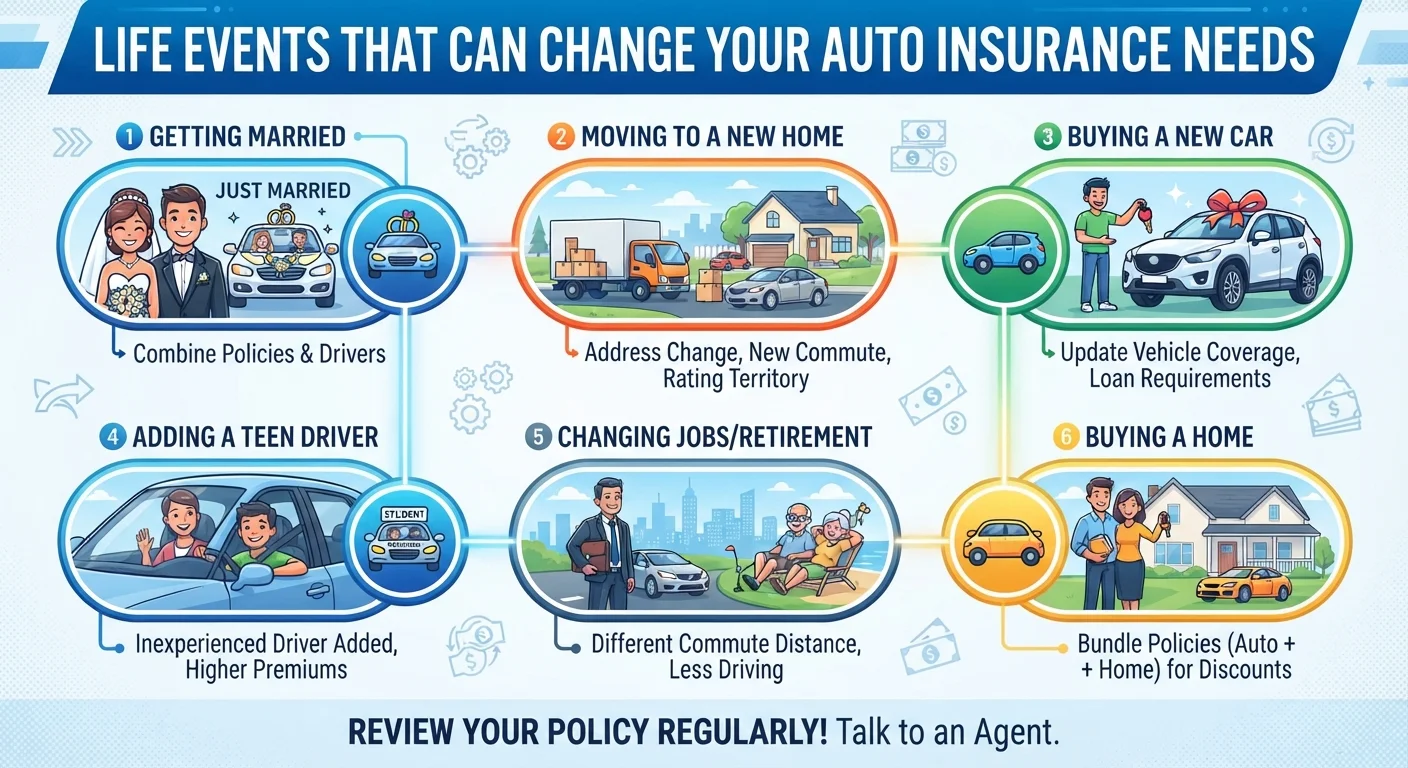
Life changes such as moving, marrying, or adding a teen driver can shift your rate significantly because they change the risk profile attached to your policy.

Vehicle and location factors
The car itself tells insurers a lot. Repair costs, parts availability, vehicle age, and safety ratings all affect pricing. A vehicle with expensive parts or a high labor cost to repair will carry a higher collision and comprehensive premium than a simpler model. Theft rates for specific makes and models also influence the comprehensive portion of your rate.
Where you garage your car matters because local data shapes the risk picture. A dense urban area with high accident rates and vehicle theft will generally produce higher premiums than a rural area with low traffic volume. State regulations affect what insurers can charge and what factors they may use, so two drivers with identical profiles can see different rates just by crossing a state line.
50+
Variables a typical rating model may assess
Insurers draw on a wide range of data points, from driving record and vehicle type to location and credit-based scores, when generating a premium.
4 states
States that limit or ban credit-based insurance scoring
California, Hawaii, Massachusetts, and Michigan restrict or prohibit the use of credit history in auto insurance rate calculations.
3-5 years
Typical lookback window for driving record review
Most insurers examine your accident and violation history over the prior three to five years when calculating your premium at quote or renewal.
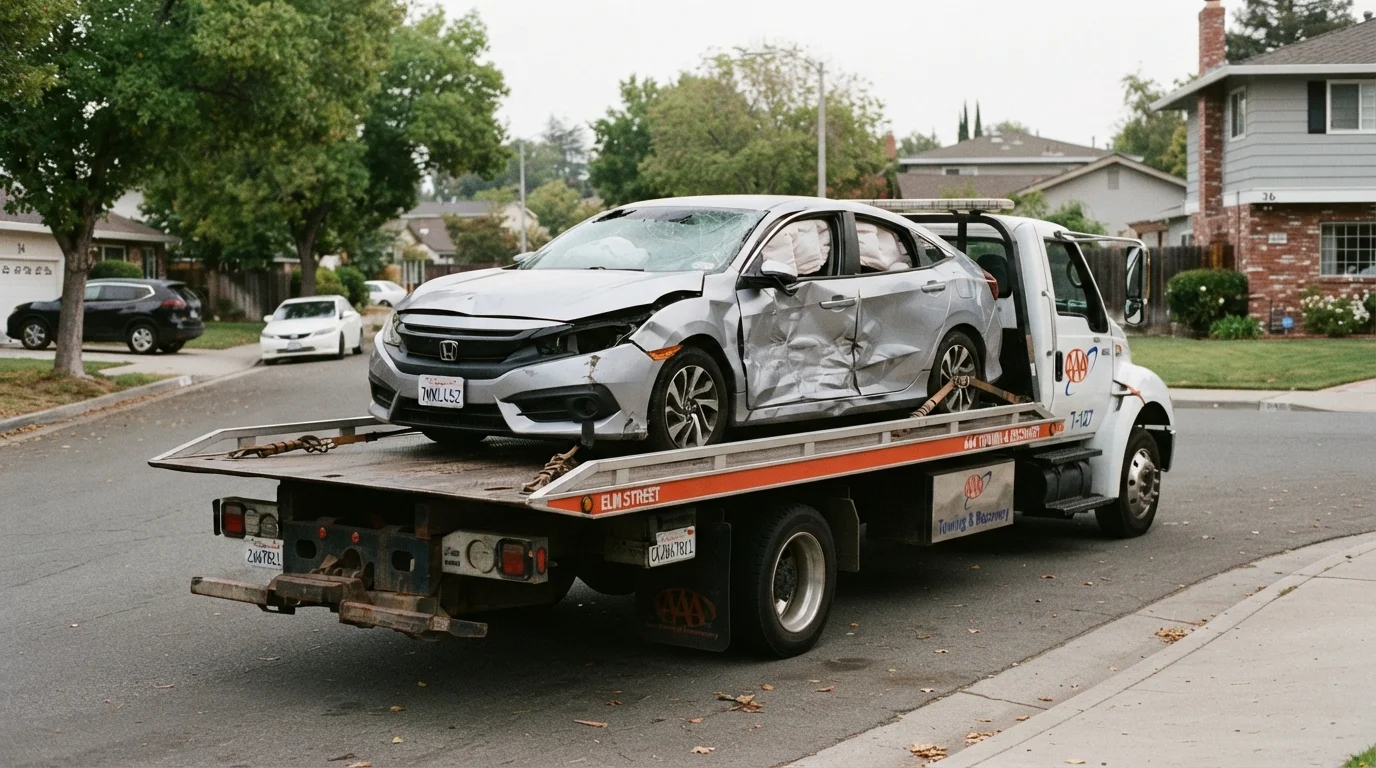
How your insurer values your car after a total loss is a separate but related topic. The valuation method in your policy determines what you would actually receive in a payout.
Coverage choices and how they move the price
The coverage you select directly changes your premium. Liability limits, which cover damage you cause to others, come in various tiers. Higher limits cost more. Adding collision coverage (for damage to your own car after an accident) and comprehensive coverage (for theft, weather, and other non-collision events) adds to your premium. Removing those coverages lowers it, but also reduces your protection.
Your deductible, the amount you pay before insurance covers the rest, works in the opposite direction from your premium. A higher deductible lowers the premium; a lower deductible raises it. Optional coverages such as roadside assistance, rental reimbursement, and gap coverage each add incremental cost.
Before committing to any plan, reviewing the coverage limits, exclusions, and claims process gives you a clearer picture of what you are actually paying for.
If you also own a home, bundling both policies with one insurer may affect your auto premium, though the outcome depends on the insurer and your specific situation.
This article is for general informational purposes only and does not constitute personalized insurance, financial, or legal advice. Coverage terms, pricing factors, and state regulations vary by insurer and location. Read your policy documents carefully and consult a licensed insurance agent for guidance specific to your situation.