Who this policy is for
Not every driver owns a car. Some people rely on rentals for work travel, borrow a family member's vehicle on weekends, or use car-share services in cities where owning a car doesn't make practical sense. In those situations, a standard personal auto policy doesn't apply because there is no vehicle to insure.
A non-owner policy fills that gap. It is liability coverage you carry as a person, not tied to any specific vehicle. The people who typically need it include frequent renters, drivers between vehicles, anyone required to file an SR-22 (a certificate proving you carry state-mandated insurance after certain violations), and people who have given up car ownership but still drive occasionally.
The policy does not help someone who lives in a household where a car is already available to them. If a vehicle is regularly accessible to you at home, insurers treat it as your primary vehicle, and you should be listed on that car's policy. See common auto insurance misconceptions for more on how household access affects coverage.
What it covers and what it does not
A non-owner policy is a liability policy. That means it pays for injuries and property damage you cause to other people when you are at fault in an accident. It does not cover:
- Damage to the car you were driving
- Your own medical bills from the accident
- Personal property inside the vehicle
- Vehicles you own
Some non-owner policies can include medical payments coverage or uninsured motorist protection, but those are optional add-ons, not standard features. Ask your insurer what is available in your state before assuming the policy covers more than basic liability.
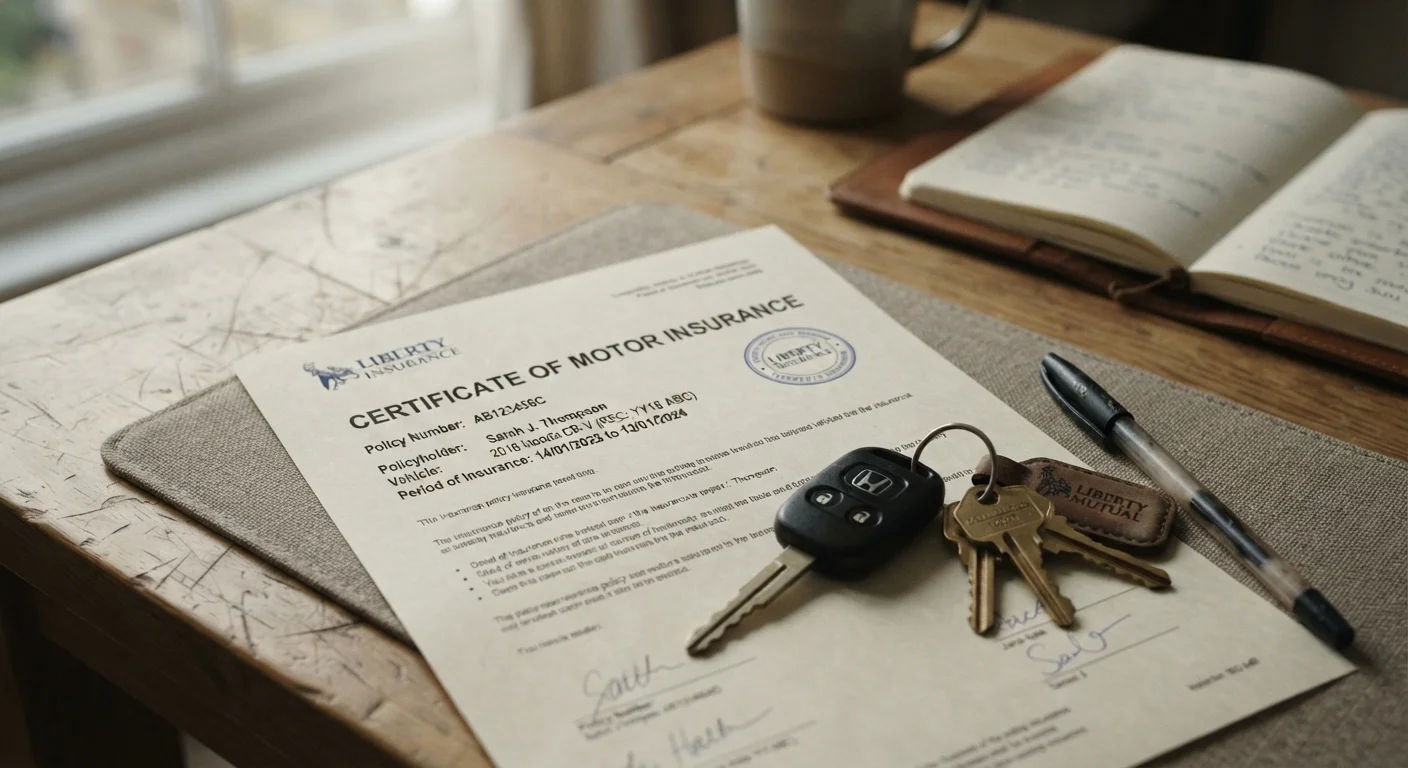
Because this is secondary coverage, the vehicle owner's insurance pays first. Your non-owner policy steps in if the owner's liability limits run out or if the owner carries no insurance at all. Understanding how policies interact after an accident is worth reading further: how fault and coverage type determine who pays walks through that process in detail.
The coverage gap it closes
Driving without any liability insurance exposes you to out-of-pocket costs if you cause an accident. Every state requires drivers to carry minimum liability limits, and those requirements apply whether or not you own a car.
A non-owner policy also protects your insurance history. When you go without coverage for an extended period, insurers treat that gap as a risk factor, which can push your premiums higher when you eventually buy a standard policy. Keeping a non-owner policy active during a period of non-ownership maintains continuous coverage, which generally works in your favor later.
49 states + D.C.
Jurisdictions requiring minimum auto liability coverage
New Hampshire is the only state that does not mandate liability insurance, though drivers there must still prove financial responsibility if they cause an accident.
12.6%
Share of U.S. drivers estimated to be uninsured
According to the Insurance Research Council's 2023 study on uninsured motorists in the United States.
Drivers who have had their license suspended and need to reinstate it with an SR-22 often find that a non-owner policy is the straightforward path. It satisfies the state's proof-of-insurance requirement without requiring them to own a vehicle. Confirm with your state's motor vehicle authority what specific documentation is required, since rules vary by state.
This article is for general informational purposes only and is not personalized insurance or legal advice. Coverage terms, exclusions, and state requirements vary by insurer and location. Read your actual policy documents and consult a licensed insurance agent for guidance specific to your situation.