
Why named driver exclusions exist
Insurers price policies based on the risk profile of every licensed driver in a household. When someone in that household has a history of serious accidents, DUI convictions, or repeated violations, that person raises the insurer's projected cost substantially. Rather than decline to cover the whole household, many insurers offer an alternative: exclude that specific driver in writing.
The exclusion lets the rest of the household keep coverage at a lower premium. The trade-off is absolute. That excluded person has no protection under the policy, for any vehicle listed on it, no matter the circumstances of a given trip.
Some exclusions are voluntary. A policyholder might choose to exclude a household member who has their own separate policy. Other exclusions are required by the insurer as a condition of writing the policy at all. Knowing which type you are dealing with changes your options.
What the exclusion actually does to coverage
The clearest way to understand a named driver exclusion is to think of it as a gap cut into the policy. Every other driver and every other situation the policy normally covers remains intact. But the moment the excluded person gets behind the wheel of a covered vehicle, the policy acts as though it does not exist.
That means no collision coverage, no liability protection for the other driver, no medical payments, and no uninsured motorist benefits. If the excluded driver causes a serious injury accident, the victims may pursue the policyholder and the excluded driver personally for damages the policy refuses to pay.

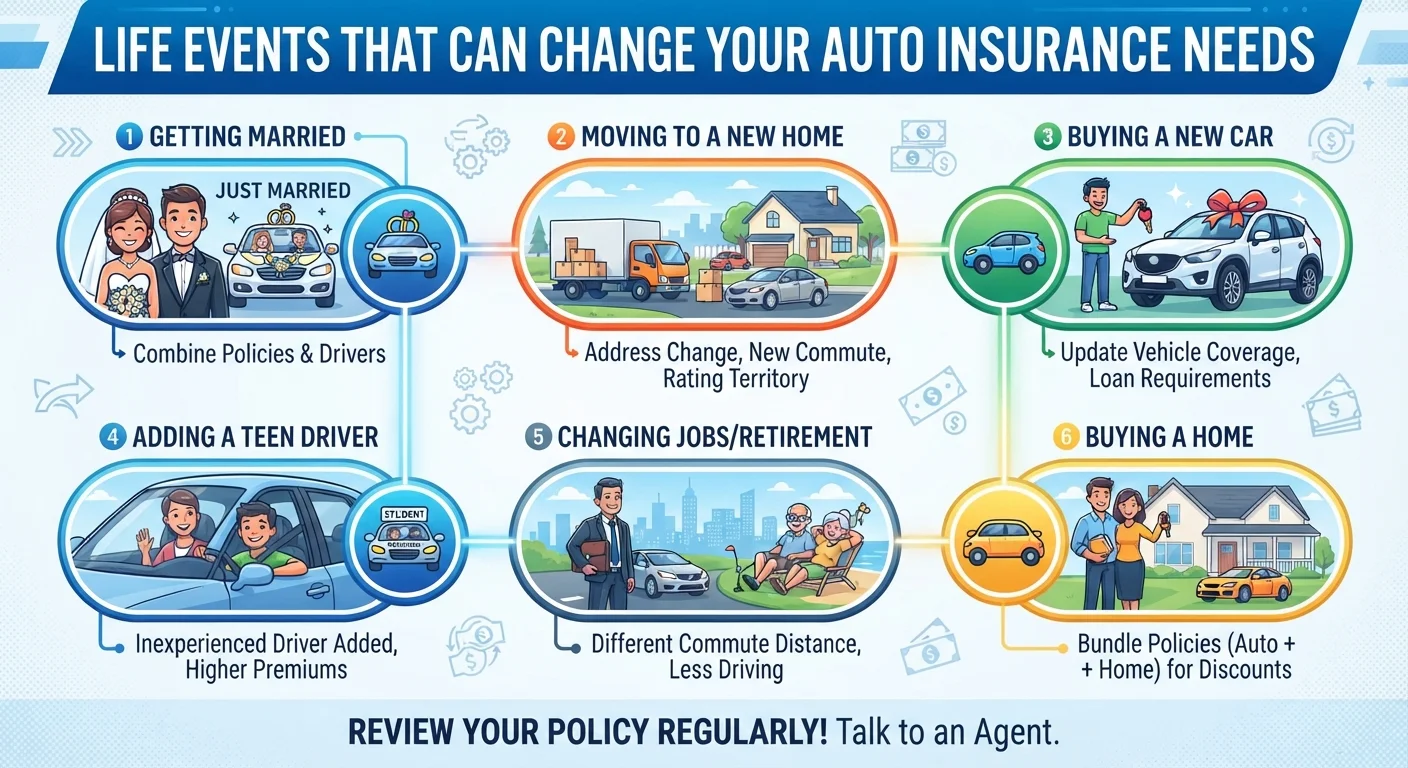
This gap can affect major life changes in your household. Adding a teen driver, welcoming a returning adult child, or going through a divorce can all introduce a situation where an exclusion either needs to be added or removed. Treating exclusions as permanent background details rather than active policy terms is a common oversight.
State law shapes your options
Coverage rules for named driver exclusions are not uniform across the country. Some states prohibit insurers from excluding a spouse or require that the excluded driver sign the exclusion form themselves to confirm they understand the consequences. Other states give insurers broad latitude to require exclusions as a condition of coverage.
A handful of states also limit how long an exclusion can remain in force without review. If you signed an exclusion several years ago because a household member had a poor driving record, that record may have improved enough for the insurer to reconsider the requirement. State insurance department websites publish the rules that apply in your state, and a licensed agent can walk through how those rules affect your specific policy.
Ask for the exclusion language in writing
Before signing any exclusion form, request a copy of the exact policy language describing its scope and duration. Some exclusions apply only to a named vehicle; others apply to all vehicles on the policy. Knowing the scope helps you understand your actual exposure.
For a broader look at what questions to ask before committing to any policy, the pre-purchase checklist covers exclusions alongside other coverage terms worth reviewing.
Options for an excluded driver
Being excluded from a household policy does not mean having no path to coverage. An excluded driver who owns or regularly borrows a separate vehicle can explore their own standalone policy, though a difficult driving record will affect what is available and at what cost.
Drivers who do not own a vehicle but occasionally drive others' cars may want to look at a non-owner auto policy, which provides liability coverage when operating a vehicle the driver does not own. This type of policy would not cover the specific vehicle from which the driver was excluded, but it can fill some gaps in certain situations.
If the goal is eventually to be removed from the exclusion on the household policy, the path usually involves improving the driving record over time and then asking the insurer to re-underwrite the policy with that driver included. Premium changes are likely, and there is no guarantee the insurer will agree.
This article is for general informational purposes only and is not personalized insurance, legal, or financial advice. Coverage terms, exclusions, and state regulations vary by insurer and location. Read your actual policy documents and consult a licensed insurance agent or adviser for guidance specific to your situation.