Why valuation method matters at claim time
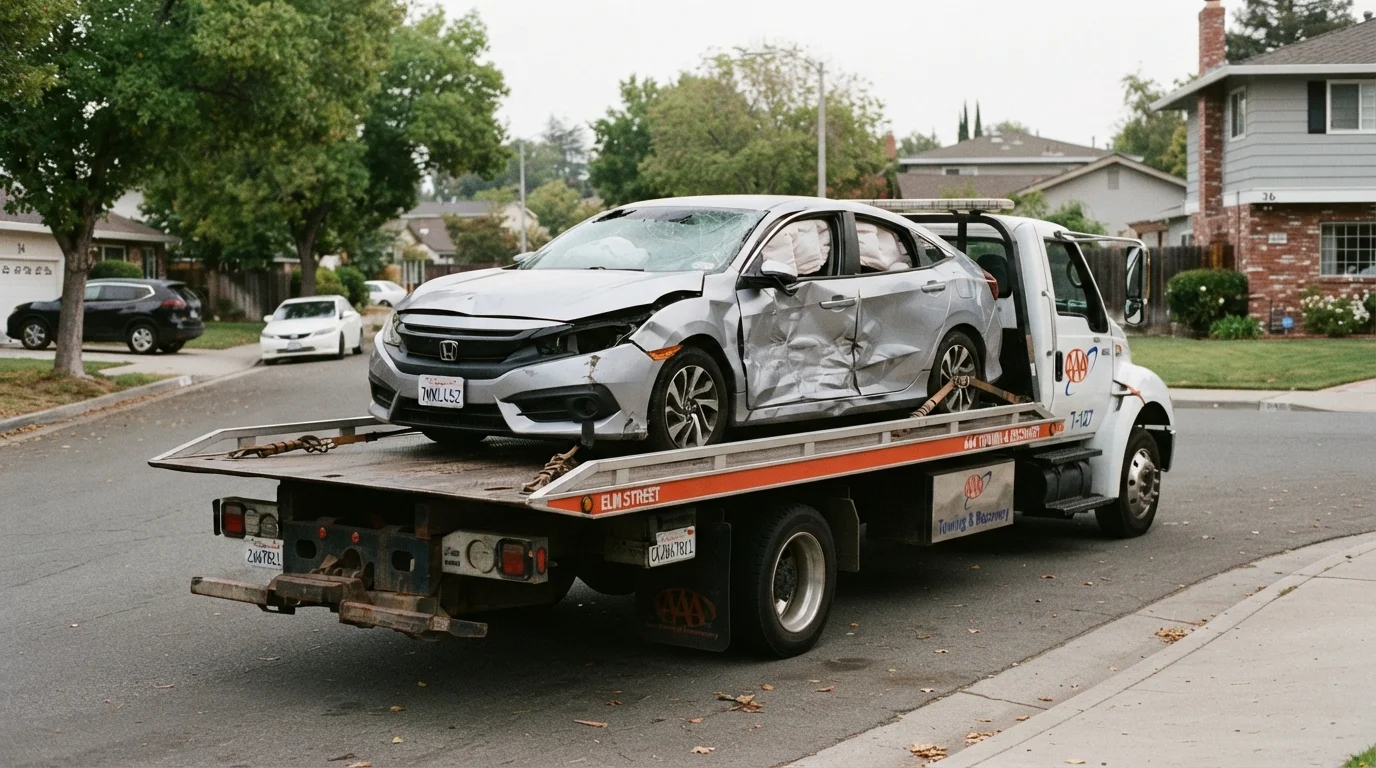
When a car is totaled or stolen, your insurer does not simply hand you whatever amount you feel the vehicle is worth. The payout is calculated according to a valuation method written into your policy. That method determines the number before any deductible is applied, so two drivers with identical cars and identical premiums can walk away with very different checks if their policies use different approaches.
There are three main methods: actual cash value, agreed value, and replacement cost. Understanding how each one works before you sign a policy is more useful than learning about them after a loss.
Actual cash value
Actual cash value (ACV) is the most widely used method. It pays you the market value of your vehicle at the moment of the loss, minus depreciation. Depreciation accounts for age, mileage, wear, and market conditions. A car you bought for $28,000 three years ago might have an ACV of $18,000 or less by the time a claim is filed.
Insurers typically determine ACV by consulting pricing guides and comparable vehicle listings in your area. The figure can feel lower than expected, particularly for owners who maintained their cars carefully but whose model depreciated quickly in the broader market.
ACV coverage is standard on most comprehensive and collision policies and generally carries a lower premium than replacement cost options. For high-mileage or older vehicles, the lower premium may make sense since the gap between ACV and a replacement vehicle is smaller.
Agreed value
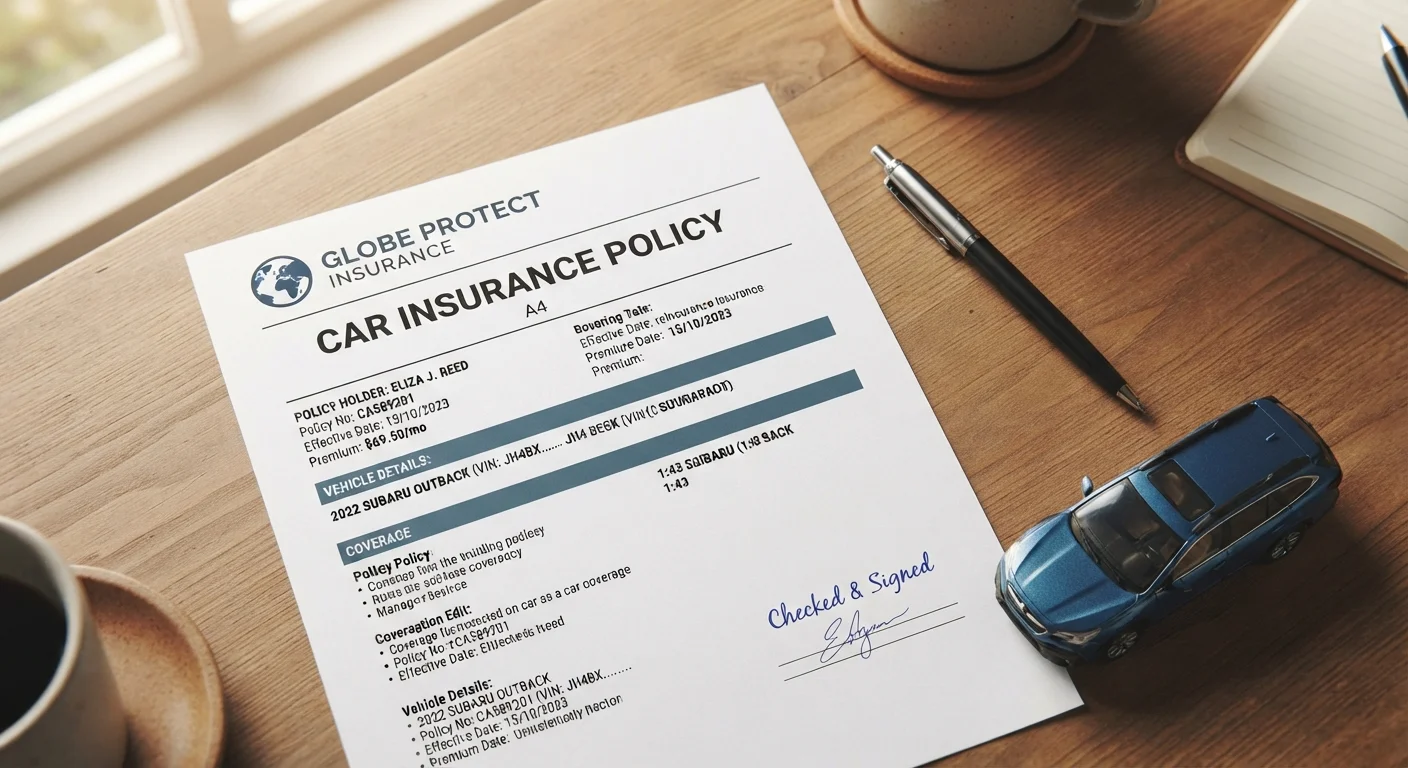
Agreed value works differently. Before the policy takes effect, you and the insurer settle on a fixed dollar amount for the vehicle. If the car is totaled or stolen, the insurer pays that agreed amount in full, with no depreciation calculated at claim time.
This approach is common for classic cars, collector vehicles, and restored vehicles whose true worth is difficult to establish from standard pricing guides. A 1969 muscle car with documented restoration work may be worth significantly more than any algorithm would estimate, and an agreed value policy protects that investment.
Because the agreed amount is locked in upfront, getting it right matters. Owners typically need an appraisal from a qualified appraiser to support the figure. Agreed value policies may also carry usage or storage requirements, so reading the full terms before purchasing is important. See questions to ask before choosing a policy for a checklist that covers these details.
| Actual cash value | Agreed value | Replacement cost | |
|---|---|---|---|
| How payout is determined | Market value minus depreciation | Fixed amount set before policy starts | Cost of comparable new vehicle |
| Depreciation applied at claim | Yes | No | No |
| Common vehicle type | Standard everyday vehicles | Classic or collector vehicles | Newer vehicles, often within 2-3 years |
| Typical premium level | Lower | Varies by agreed amount | Higher than ACV |
| Upfront appraisal needed | No | Usually yes | No |
| Gap risk if vehicle is financed | Higher | Lower | Lower |
| Availability | Widely available | Specialty policies | Limited, often as add-on |
Replacement cost
Replacement cost coverage pays what it would cost to replace your vehicle with a comparable new one at current market prices, without subtracting for depreciation. If your two-year-old sedan is totaled and a comparable new model now sells for $32,000, that is roughly the figure used, regardless of what your specific car was worth on the used market.
This method is less common in standard auto policies than it is in home insurance, but some insurers offer it as an add-on for newer vehicles, sometimes called new car replacement coverage. It typically applies only within a defined window after the vehicle's original purchase, often two to three model years.
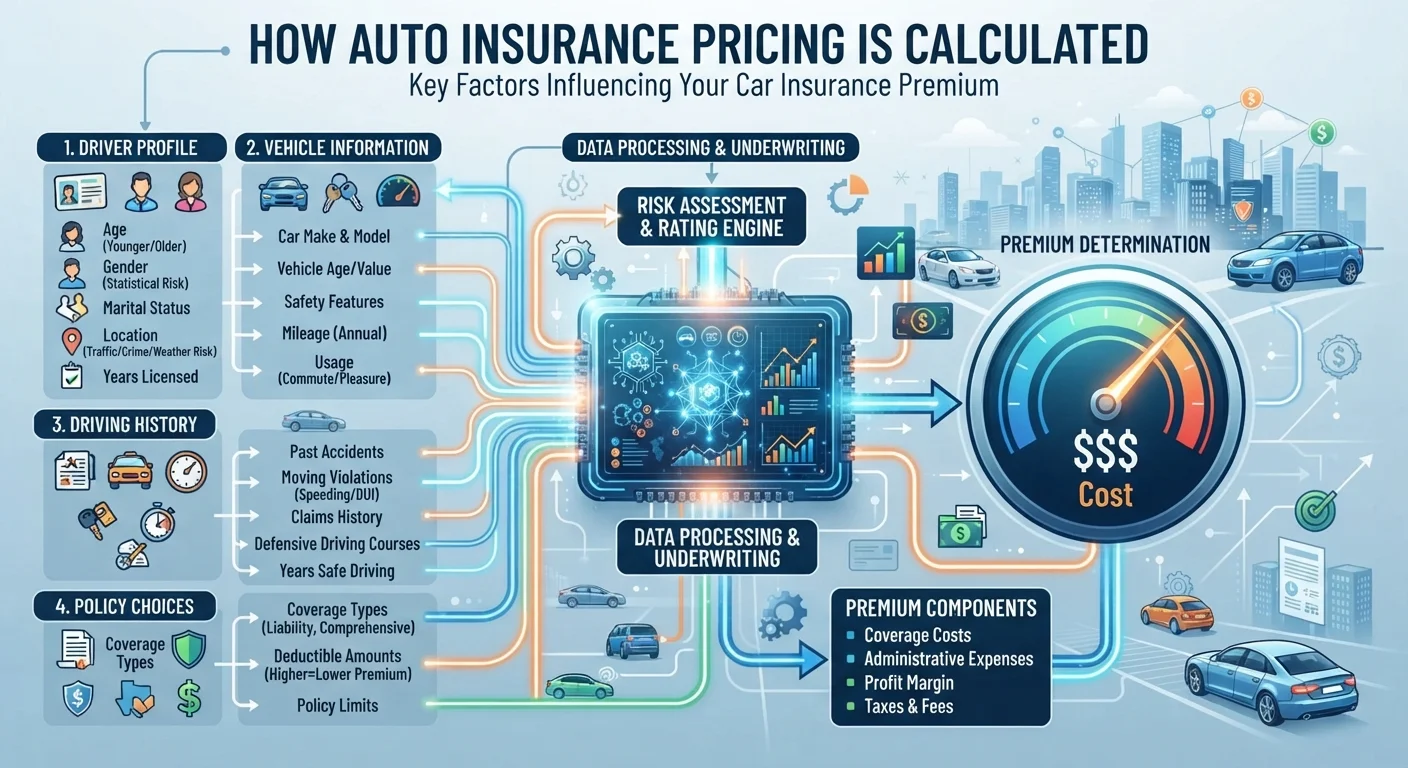
The practical benefit is that it reduces the financial gap between losing a vehicle and affording a comparable replacement. The tradeoff is a higher premium. How auto insurance pricing is calculated explains how add-ons like this affect your overall rate.
Comparing the three methods
The table above lays out the core differences. When weighing which method fits your situation, consider how much your vehicle has depreciated, whether its value is easy to verify from public listings, and how large a gap you could cover out of pocket if the payout fell short of replacement cost.
For a vehicle worth $8,000 on the current market, the difference between ACV and replacement cost may not justify a premium increase. For a newer vehicle financed with a loan, however, an ACV payout that falls short of your remaining loan balance creates a real problem. Gap insurance (a separate product that covers the difference between ACV and an outstanding loan balance) exists precisely because of that scenario.
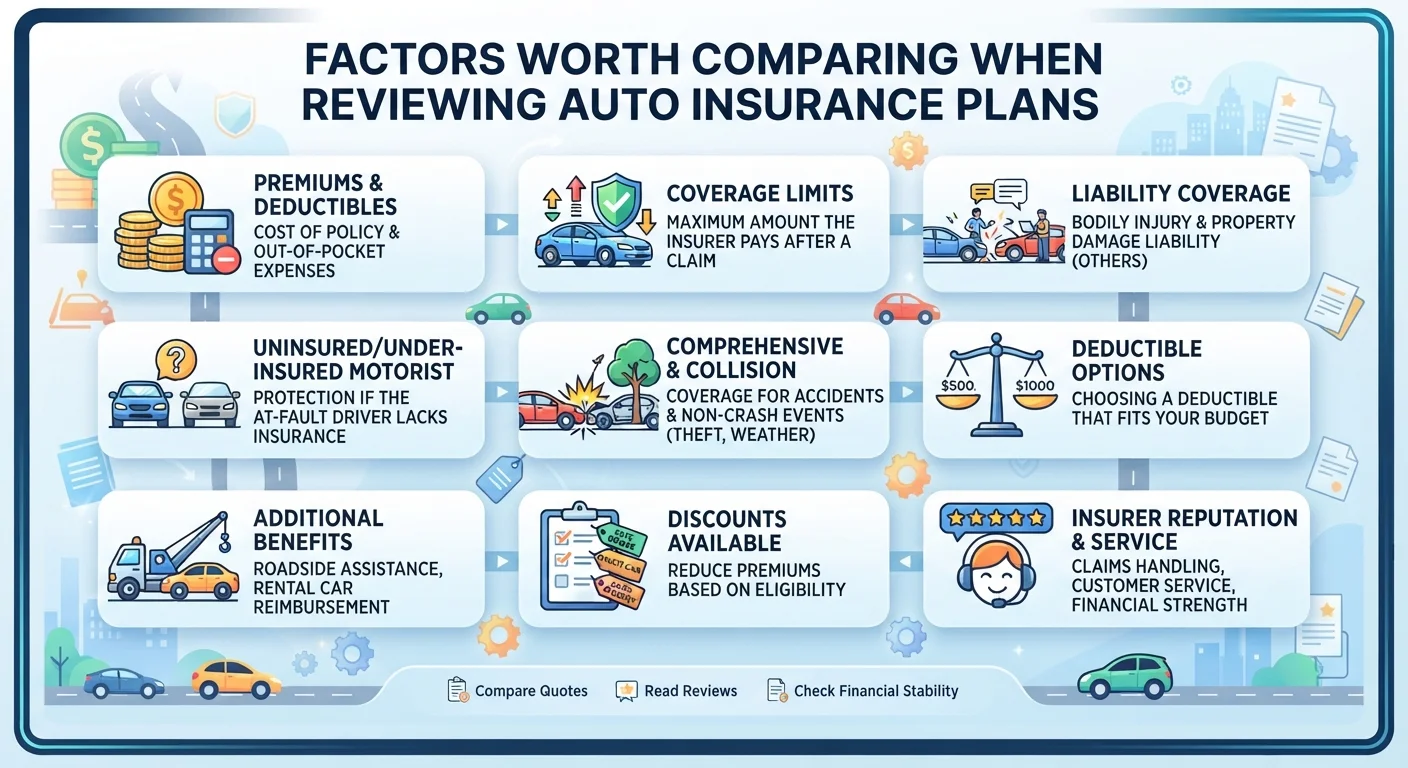
Factors worth comparing when reviewing auto insurance plans covers how valuation method fits alongside coverage limits, deductibles, and other policy details. When your own policy pays versus the other driver's explains how fault and coverage type determine which policy a total-loss claim even runs through.
This article is for general informational purposes only and is not personalized insurance, financial, or legal advice. Coverage terms, eligibility, and payout calculations vary by insurer, policy, and state. Read your actual policy documents and consult a licensed insurance agent for guidance specific to your situation.