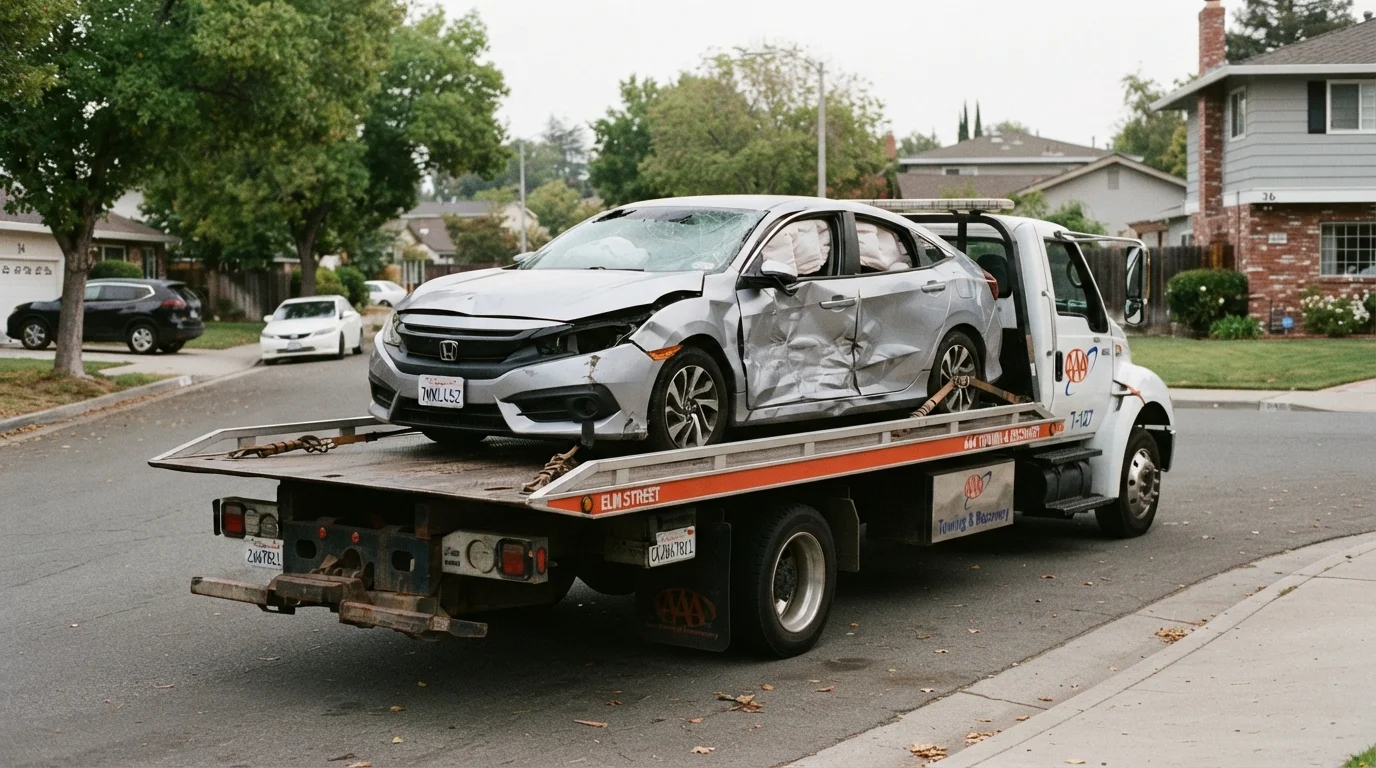

How fault shapes which policy responds
In most U.S. states, auto insurance follows a fault-based (also called tort) system. The driver who caused the accident is financially responsible for the other person's damages. That means the at-fault driver's liability coverage pays for the other driver's vehicle repairs and medical bills, up to the policy's limits.
Liability coverage has two parts: bodily injury liability, which covers injuries to other people, and property damage liability, which covers damage to another person's vehicle or property. Every state requires drivers to carry minimum amounts of both.
If you are the at-fault driver, your liability coverage pays the other party. Your own vehicle repairs, however, are not covered by liability. You would need collision coverage on your own policy to pay for your car in that situation. Many drivers carry misconceptions about this distinction; the article Things People Get Wrong About How Auto Insurance Works covers several of them in detail.
When your own policy pays even if you were not at fault
Waiting for another driver's insurer to accept fault and pay out takes time. If you carry collision coverage, you can file with your own insurer immediately and get your car repaired faster. You pay your deductible upfront, but if your insurer recovers money from the at-fault driver's company through subrogation, you may get that deductible back.
Two other coverages on your own policy pay regardless of fault:
- Uninsured motorist coverage (UM): pays your medical bills and, in many states, vehicle damage when the at-fault driver has no insurance at all.
- Underinsured motorist coverage (UIM): covers the gap when the at-fault driver's liability limits are too low to pay your full losses.
About one in eight drivers on U.S. roads carries no insurance, according to the Insurance Research Council. UM and UIM coverage addresses that gap directly.
Medical payments coverage (MedPay) and personal injury protection (PIP) also pay through your own policy for medical costs after a crash, regardless of who caused it. PIP is broader and often covers lost wages and related expenses in addition to medical bills.
To understand how your insurer actually values what it pays out after a total loss, Agreed Value, Actual Cash Value, and Replacement Cost explains the three main methods.
No-fault states: a different starting point
About a dozen states operate under no-fault rules, including Florida, Michigan, New York, and New Jersey. In these states, each driver's own PIP coverage pays for their medical bills and lost wages after an accident, regardless of fault. The intention is to reduce lawsuits over minor injuries by routing claims through each driver's own policy first.
Property damage in no-fault states still generally follows fault rules. If another driver hit your car, their property damage liability coverage is still the primary source for your repair costs.
No-fault rules differ by state
No-fault laws vary considerably. Michigan, for example, has its own unique structure with different PIP options. If you live in a no-fault state, your state's Department of Insurance website is the most reliable place to confirm how local rules apply to your situation.
No-fault laws vary considerably. Michigan, for example, has its own unique structure with different PIP options. If you live in a no-fault state, your state's Department of Insurance website is the most reliable place to confirm how local rules apply to your situation.
Reading your own policy before an accident happens
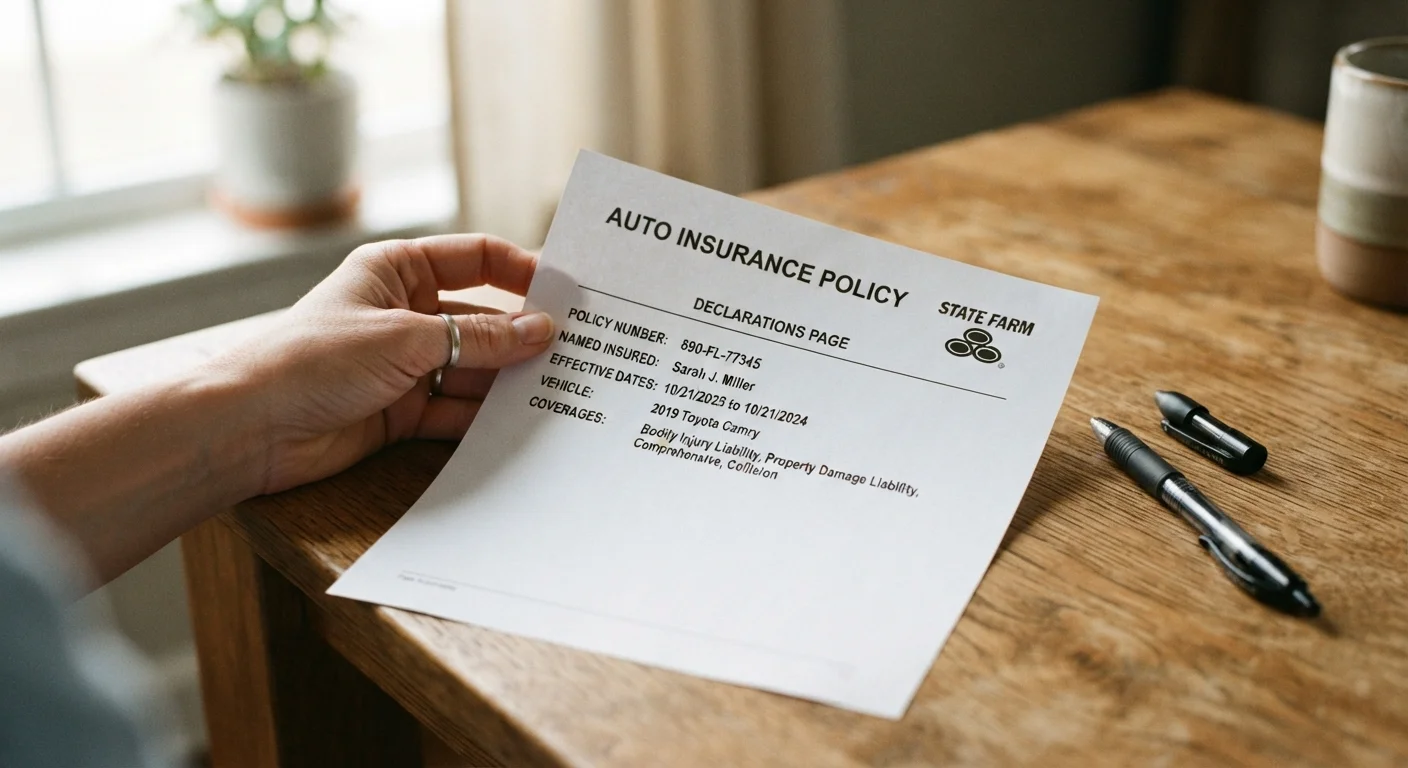
The declarations page of your policy lists every coverage you carry, the limits for each, and your deductibles. Knowing what you have before an accident removes the guesswork afterward. If you are unsure what coverages you currently carry, that page is the place to start.
When comparing or reconsidering your coverage, the checklist in Questions to Ask Before Settling on an Auto Insurance Plan can help you think through the right questions to ask your insurer. And once a claim is filed, What Actually Happens After You File an Auto Insurance Claim walks through each stage of the process.
This article is for general informational purposes only and is not personalized insurance, financial, or legal advice. Coverage terms, limits, and state rules vary by policy and provider. Read your actual policy documents and consult a licensed insurance agent for guidance specific to your situation.