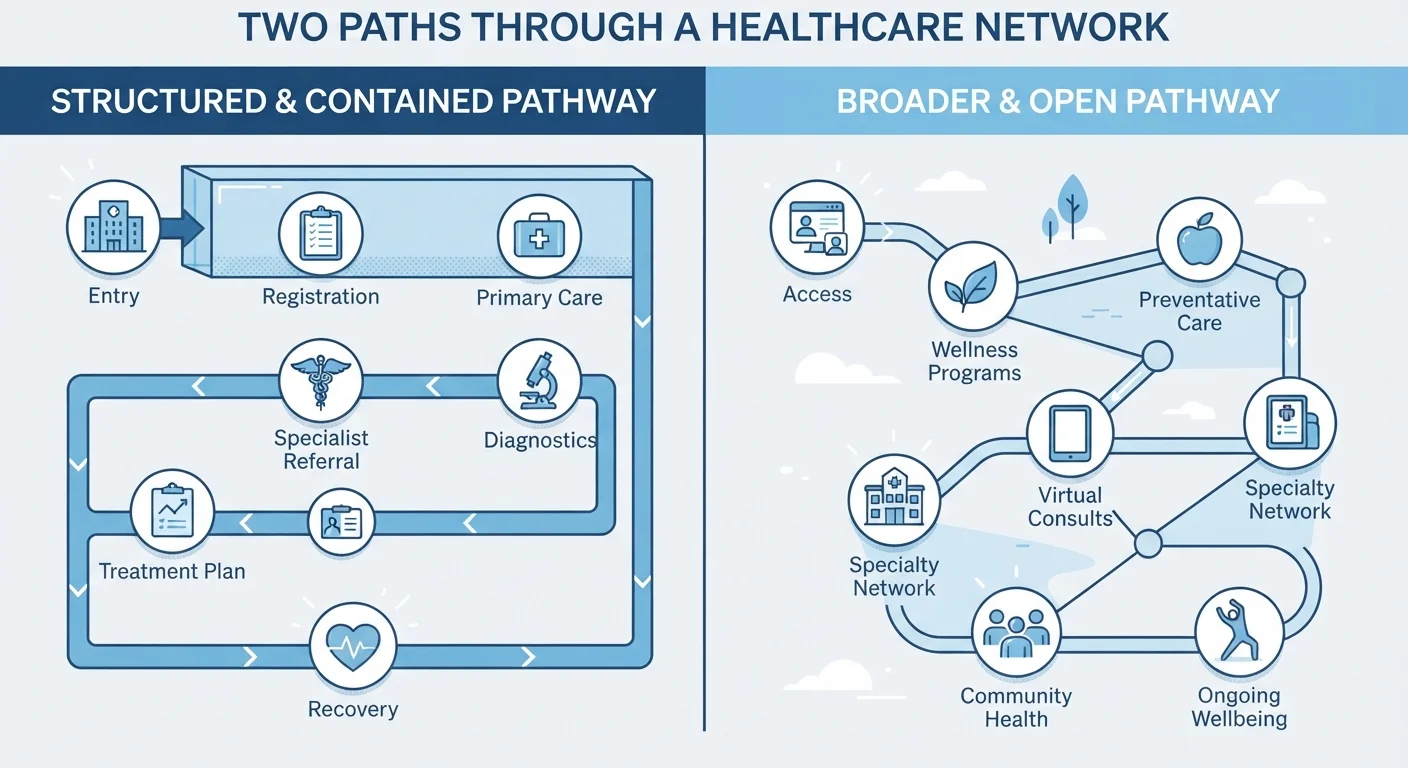
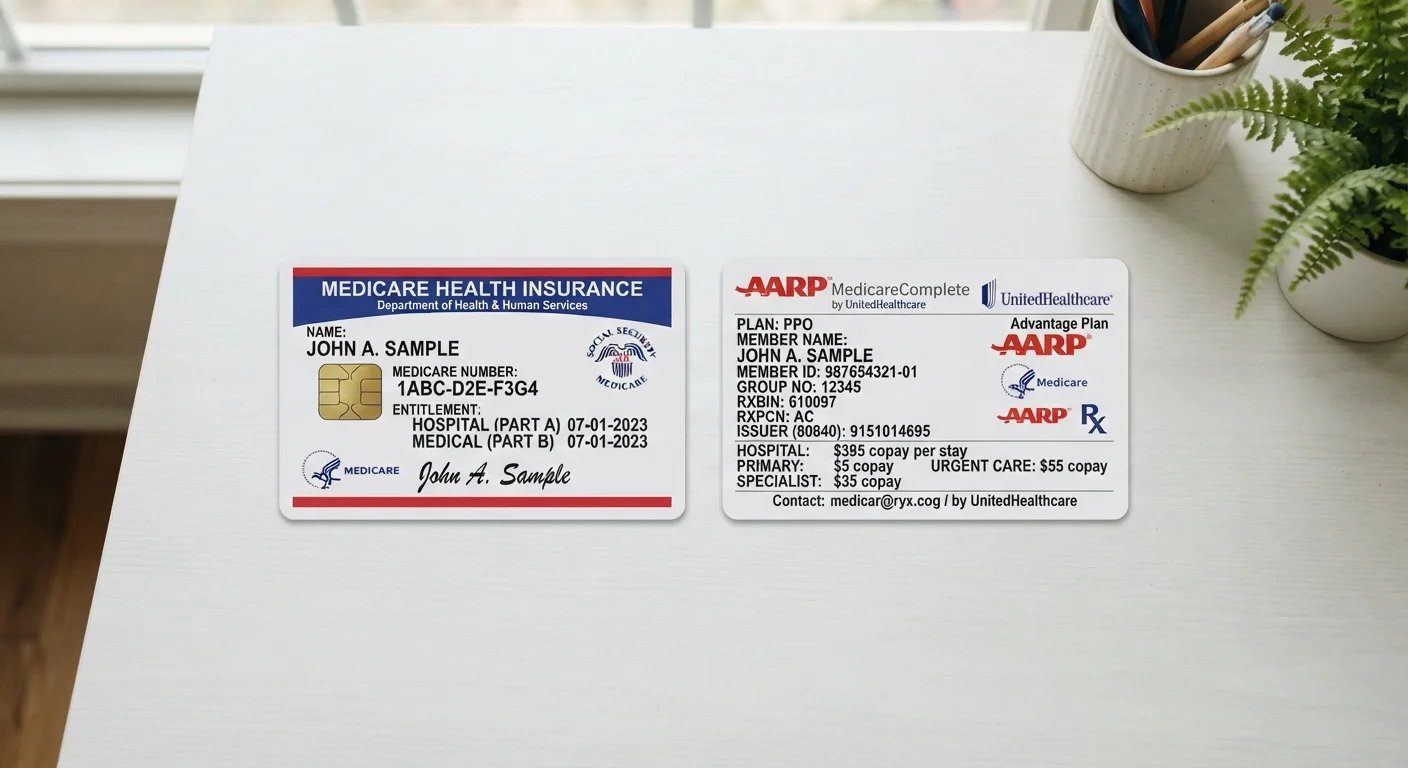
How each program is structured
Original Medicare is the federal health insurance program administered directly by the Centers for Medicare and Medicaid Services (CMS). It has two main parts: Part A covers inpatient hospital care and certain skilled nursing facility stays, while Part B covers outpatient services, physician visits, and preventive care. Together they form the foundation of Medicare coverage.
Medicare Advantage, also called Part C, is an alternative way to receive Medicare benefits through a private insurer that has a contract with the federal government. Each Advantage plan must cover everything Original Medicare covers, but plans can structure cost-sharing, networks, and supplemental benefits differently within CMS guidelines. The private insurer manages day-to-day claims rather than the federal program doing so directly.
Because of this structural difference, the two paths feel very different in practice, even though both count as Medicare coverage. Common Medicare misconceptions about what each path covers can lead to gaps at enrollment.
Provider access and network rules
One of the most concrete differences between the two is how provider access works. Original Medicare has no network. If a doctor, hospital, or specialist accepts Medicare assignment, you can use them regardless of where they are located in the country. No referral is required to see a specialist.
Medicare Advantage plans generally use managed care models. Many are structured as Health Maintenance Organizations (HMOs), which require you to use a plan network and often need a primary care physician referral before seeing a specialist. Others use a Preferred Provider Organization (PPO) model, which allows out-of-network use at a higher cost. How HMO and PPO rules differ is worth understanding before choosing an Advantage plan type.

Costs: premiums, deductibles, and out-of-pocket limits
Under Original Medicare, most people pay no Part A premium if they or a spouse have sufficient work history. The Part B premium is set annually by CMS. Cost-sharing includes deductibles and coinsurance on both parts, and without a supplemental policy, there is no cap on how much you could owe in a year. Medigap policies exist specifically to cover these gaps, but they come with their own premiums.
Medicare Advantage plans are required by law to set an annual out-of-pocket maximum for in-network services. Once you reach that limit, the plan pays 100% of covered in-network costs for the rest of the year. Some plans carry low or no monthly premiums beyond the Part B premium you still owe, though lower premiums often pair with higher cost-sharing when you use care.
Extra benefits and drug coverage
Original Medicare does not cover most dental care, routine vision exams, hearing aids, or fitness programs. Prescription drug coverage requires enrolling in a standalone Part D plan. Failing to enroll in Part D when first eligible can result in a late enrollment penalty that persists as long as you have drug coverage.
Many Medicare Advantage plans include prescription drug coverage (called MA-PD plans), along with extras such as dental, vision, hearing, and sometimes transportation or meal benefits. These benefits vary by plan and region, so the specifics depend on what is available where you live. People managing ongoing health needs may find the bundled approach convenient, though choosing a plan around ongoing medical needs requires checking formularies and provider lists carefully.
Switching between the two
You can move between Original Medicare and Medicare Advantage, but timing matters. The Annual Enrollment Period runs October 15 through December 7 each year, and changes take effect January 1. A separate Medicare Advantage Open Enrollment Period (January 1 through March 31) lets those already in an Advantage plan switch plans or return to Original Medicare once.
If you return to Original Medicare after time in a Medicare Advantage plan, gaining a Medigap policy may be harder. In most states, insurers can use medical underwriting outside of guaranteed-issue windows, which means a pre-existing condition could affect your ability to get coverage or the premium you pay. This asymmetry is worth factoring in before initially choosing a path.
This article is for general informational purposes only and is not medical or insurance advice. Coverage details, costs, and plan availability vary by location and insurer. Consult a licensed insurance agent or contact Medicare directly at 1-800-MEDICARE for guidance specific to your situation.