
Why a monthly routine matters more than a perfect budget
Most people who struggle with money are not short on budgeting knowledge. They are short on consistent follow-through. A monthly routine turns one-time decisions into automatic behavior, which is where lasting financial change actually happens.
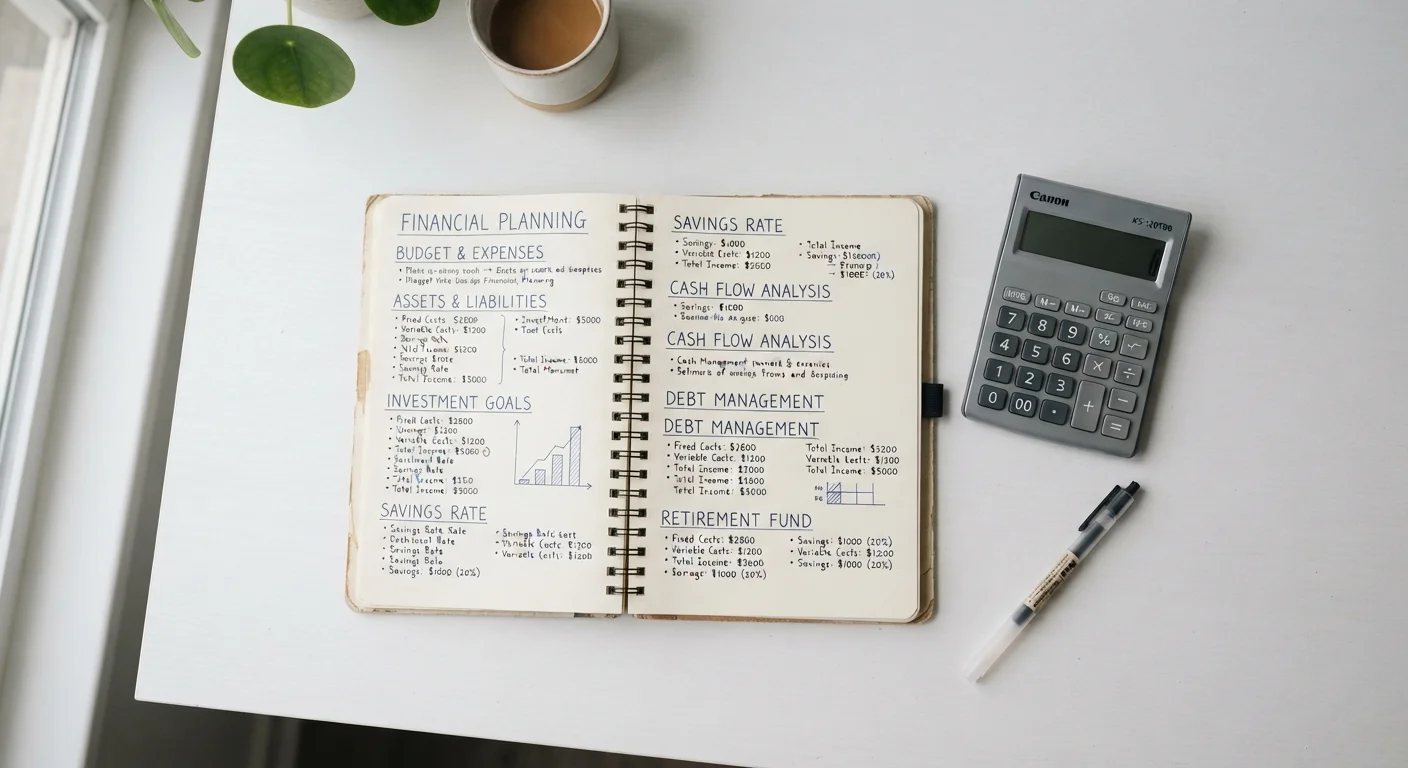
A budget is a plan. A routine is what makes you look at that plan again. Without a scheduled review, even a well-designed budget drifts out of sync with real spending within a few weeks. If you have ever wondered why your savings seem to disappear before the month ends, spending patterns and planning gaps are often the cause, not income alone.
This article covers practical habits for structuring a monthly money routine, with concrete steps you can fit into a schedule you already have. This is general financial information, not personalized advice. For decisions specific to your situation, consult a licensed financial professional.
Core practices for a routine that holds
The practices below are ordered by the phase of the month where they fit best, from setup through wrap-up.
Set a fixed calendar date for your monthly money review
Without a scheduled time, the review gets postponed indefinitely. Treating it like any other recurring appointment makes it harder to skip. Consistency, not perfection, is what produces reliable results over time.
Compare actual spending to your budget before the month closes
Reviewing the gap between what you planned to spend and what you actually spent tells you where your estimates are off. Adjusting category amounts based on real data makes the next month's budget more accurate and less frustrating.
Automate transfers to savings at the start of each pay cycle
When savings come last, after all spending, they often do not happen. Automating a transfer on payday moves money before it is available for discretionary use. This approach does not guarantee outcomes, but it removes the reliance on willpower each month.
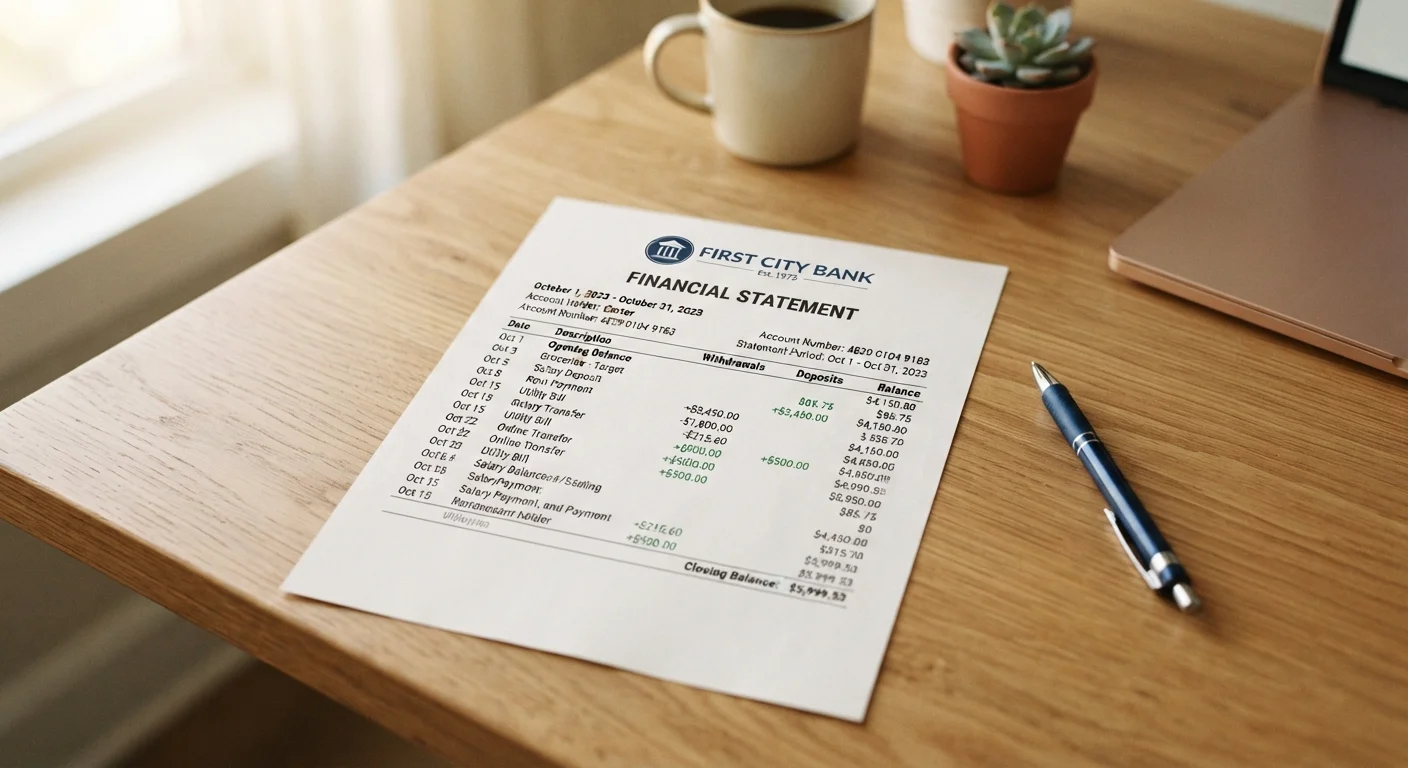
Review every account statement for errors and unfamiliar charges
Unauthorized charges, duplicate transactions, and bank errors occur more often than most people expect. Monthly review catches these while they are still within the dispute window most financial institutions allow.
List upcoming irregular expenses in the month ahead
Irregular costs like annual subscriptions, insurance premiums, car registration, and seasonal bills are predictable but often treated as surprises. Noting them during your monthly review lets you adjust discretionary spending in advance rather than after the fact.
Making the routine work in practice

One reason routines fail is that they are designed for an idealized version of your schedule. A monthly money review does not need to be a two-hour event. Thirty minutes with a bank statement, a notes app, and your last month's spending categories is enough to stay oriented. For help reading what a bank statement actually shows, see how to decode each line of your statement.
If some of the financial terms in your statements or budget categories are unfamiliar, a plain-language glossary of personal finance terms can fill in the gaps without requiring a full course.
As you build the habit, a year-end financial checklist gives you a natural anchor point to assess whether your monthly routine produced the annual outcomes you were working toward.
This article is for informational purposes only and does not constitute personalized financial, tax, or legal advice. Consult a qualified financial professional before making decisions about your specific financial situation.