What an emergency fund actually does
An emergency fund is not a general savings account. Its only job is to be there when something goes wrong: an unexpected medical bill, a car repair that cannot wait, or a gap in income after a layoff. Without that reserve, many people turn to credit cards or personal loans, which add interest costs on top of an already stressful situation.
The fund works because it is liquid, meaning you can access the full amount quickly without penalty. That is what separates it from a retirement account or a certificate of deposit with early-withdrawal fees. Speed of access matters most when something breaks down at an inconvenient time.
If you have noticed that your savings seem to disappear before the month ends, common spending gaps may be the cause, and building a dedicated emergency fund in a separate account is one way to protect savings from being absorbed into daily spending.
How to calculate your target amount
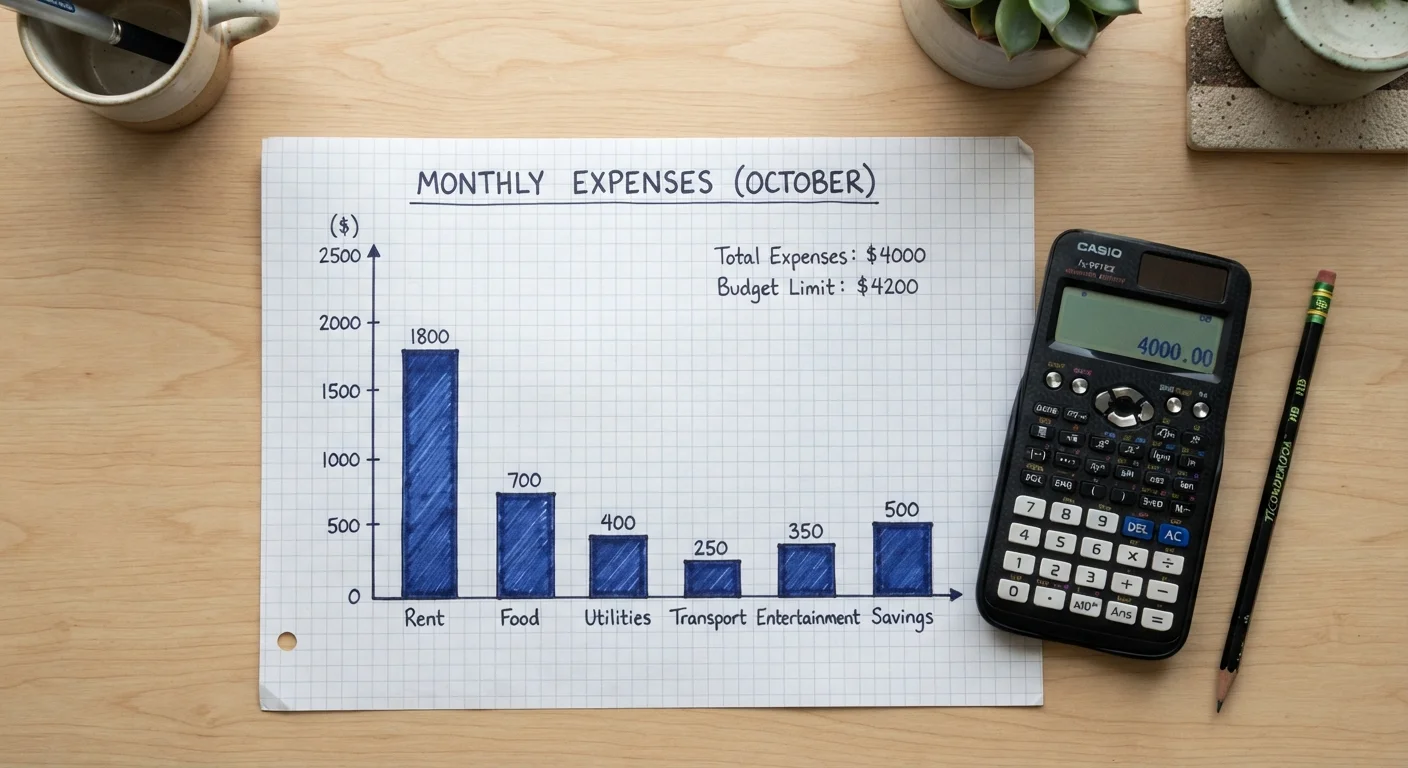
The standard guideline is three to six months of essential living expenses, not total income. Essential expenses include rent or mortgage, utilities, groceries, transportation, minimum debt payments, and health insurance premiums. Anything optional, such as subscriptions or dining out, does not factor into the baseline.
Three months is often cited for people with stable salaried employment, two incomes in the household, and no dependents. Six months or more is more appropriate for freelancers, single-income households, workers in cyclical industries, or anyone with a health condition that raises the likelihood of an income disruption.
The math is straightforward: add up your monthly essential costs and multiply by the number of months you are targeting. That figure is your goal, not your starting point. Most people build toward it gradually over many months.
3 to 6 months
Recommended emergency fund size
This range reflects widely cited guidance from financial education resources, based on essential monthly expenses rather than total income.
~56%
Americans who cannot cover a $1,000 emergency from savings
According to Bankrate's annual emergency savings survey, a majority of U.S. adults would struggle to cover a $1,000 unexpected expense without borrowing.
Where to keep the money
The account you choose should meet two criteria: the balance must stay stable regardless of market conditions, and you must be able to withdraw funds without delays or penalties. A standard savings account at an insured bank or credit union satisfies both conditions.
A high-yield savings account can do the same while earning a higher interest rate. Rates on these accounts vary by institution and change over time, so the rate at the time you open an account may not hold indefinitely. See our overview of high-yield savings account trade-offs before deciding whether that account type fits your needs.
Money market accounts at banks are another option. They typically offer rates similar to high-yield savings accounts and come with federal deposit insurance when held at an eligible institution. Some have minimum balance requirements or monthly transaction limits, so read the account terms before opening one.
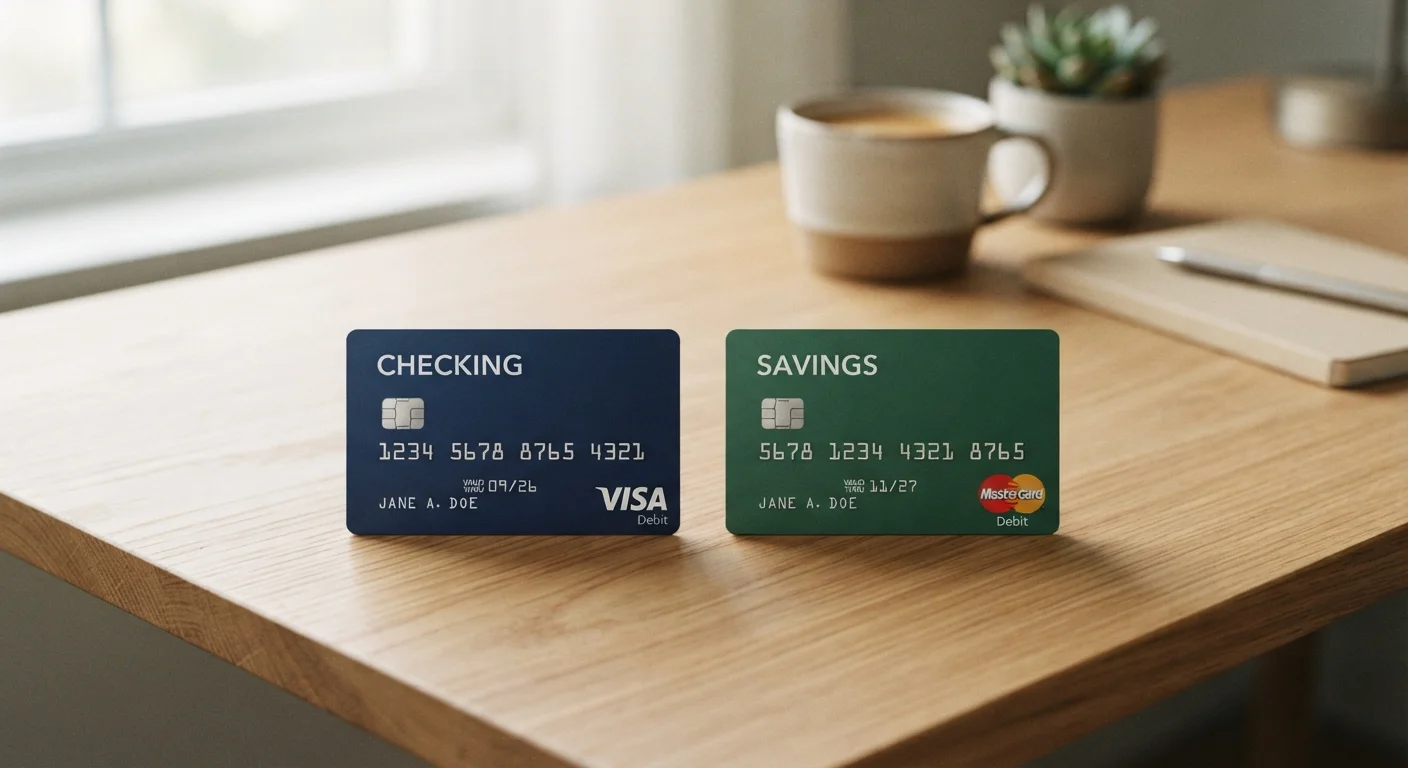
For a detailed comparison of how savings and checking accounts work, this guide on account differences explains the mechanics of each type. The consistent advice across account types is to keep the emergency fund in a separate account from the one you use for daily expenses, so the balance stays visible and is not spent on ordinary purchases.
Keep the fund truly separate
Opening the emergency fund at a different bank from your checking account adds a small friction that discourages casual withdrawals. If the money is not one click away during a normal purchase, you are less likely to dip into it for non-emergencies. Even a two-day transfer window can be enough of a pause to reconsider.
Building the fund over time
If your target is $9,000 and you can save $300 a month, you will reach it in 30 months. That timeline is not discouraging; it is a plan. Automating a transfer from checking to your emergency savings account on payday removes the decision from the equation each month.
After a large emergency draws down the balance, treat replenishing it as the same priority as the original build. The fund only does its job if the balance is maintained. A year-end financial checklist is a useful time to check whether the balance still reflects your current monthly expenses, since costs change over time.
This article is for general informational and educational purposes only and does not constitute personalized financial advice. Consult a licensed financial adviser before making decisions about your savings strategy.