How each card moves your money
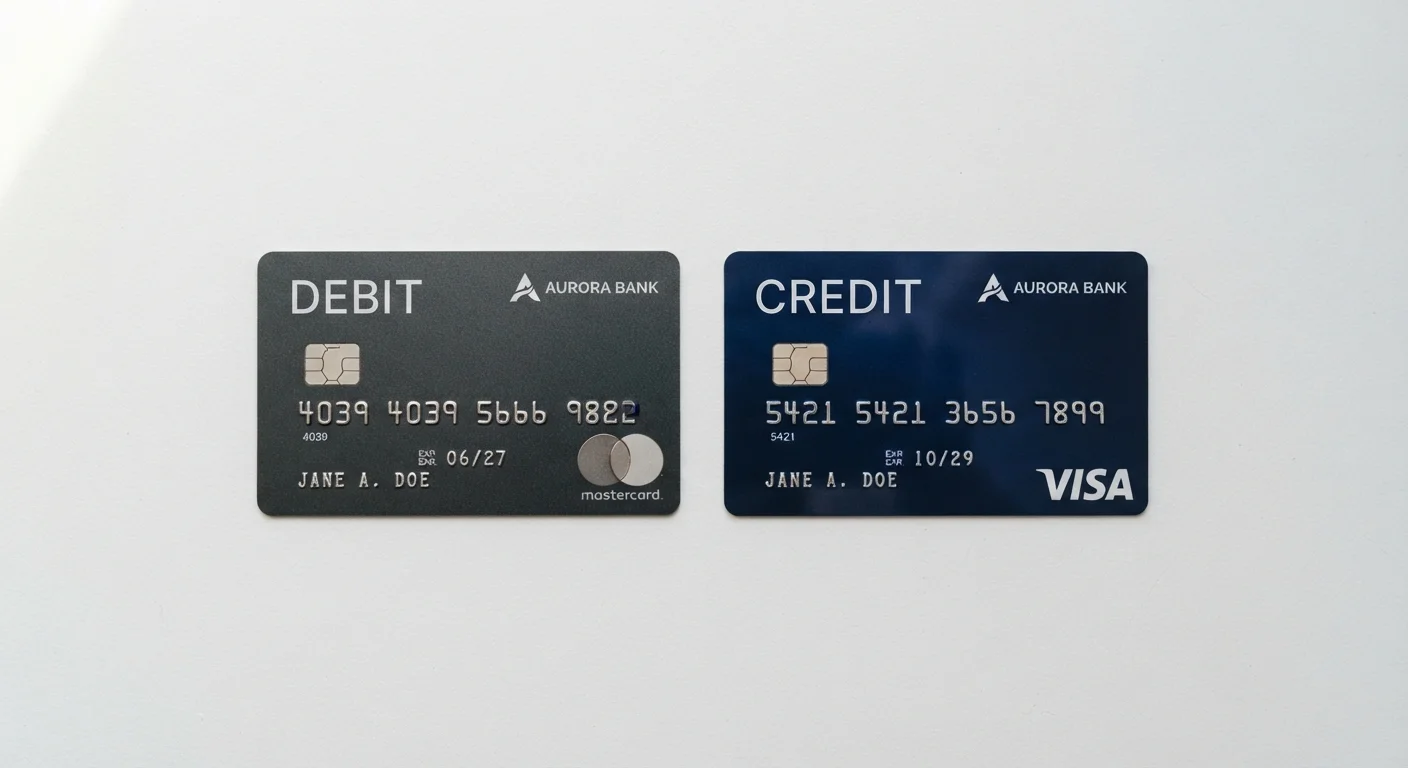
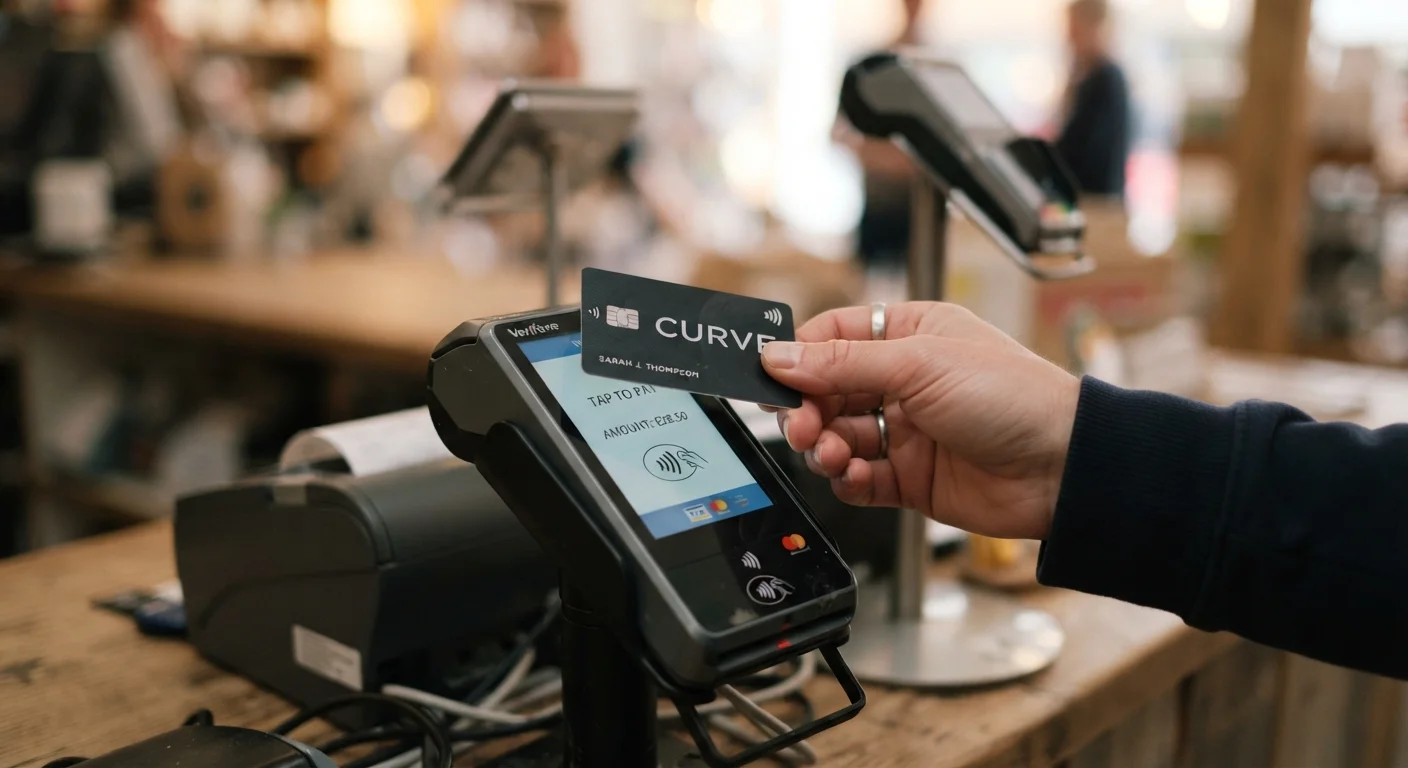
When you swipe or tap a debit card, your bank pulls the exact purchase amount from your checking account within one to two business days. The money was already yours before the transaction happened. If your balance is too low, the payment may be declined or, if you have opted into overdraft coverage, your bank may cover the shortfall and charge you a fee.
A credit card works differently. The card issuer pays the merchant on your behalf, and you owe the issuer that amount. At the end of your billing cycle, the issuer sends a statement. If you pay the full balance by the due date, no interest is charged. If you carry a balance forward, the issuer applies an annual percentage rate (APR) to what remains.
That gap between spending and repayment is the core structural difference. With a debit card, the money leaves your account almost immediately. With a credit card, you have a window, typically 21 to 25 days after the statement closes, before payment is due.
Fraud liability and consumer protections
Under the Electronic Fund Transfer Act, your liability for unauthorized debit card charges depends on how fast you report them. Report within two business days and your liability is capped at $50. Wait longer and the cap rises to $500, then potentially further after 60 days. While many banks offer voluntary zero-liability programs, those are not legally required.
The Fair Credit Billing Act governs credit cards. It caps liability for unauthorized charges at $50, and most major issuers apply a $0 liability policy voluntarily. Credit cards also let you dispute a charge before you pay it, which gives you more leverage when a merchant fails to deliver goods or services.
| Criterion | Debit card | Credit card |
|---|---|---|
| Funding source | Your checking account balance | Issuer's credit line |
| Interest charges | None | Applied to unpaid balances |
| Fraud liability cap (federal law) | $50 to $500 depending on report timing | $50 (most issuers apply $0 voluntarily) |
| Effect on credit score | None | Payment history and utilization reported |
| Overdraft risk | Yes, if balance is low | No (but debt risk applies) |
| Dispute before paying | No | Yes |
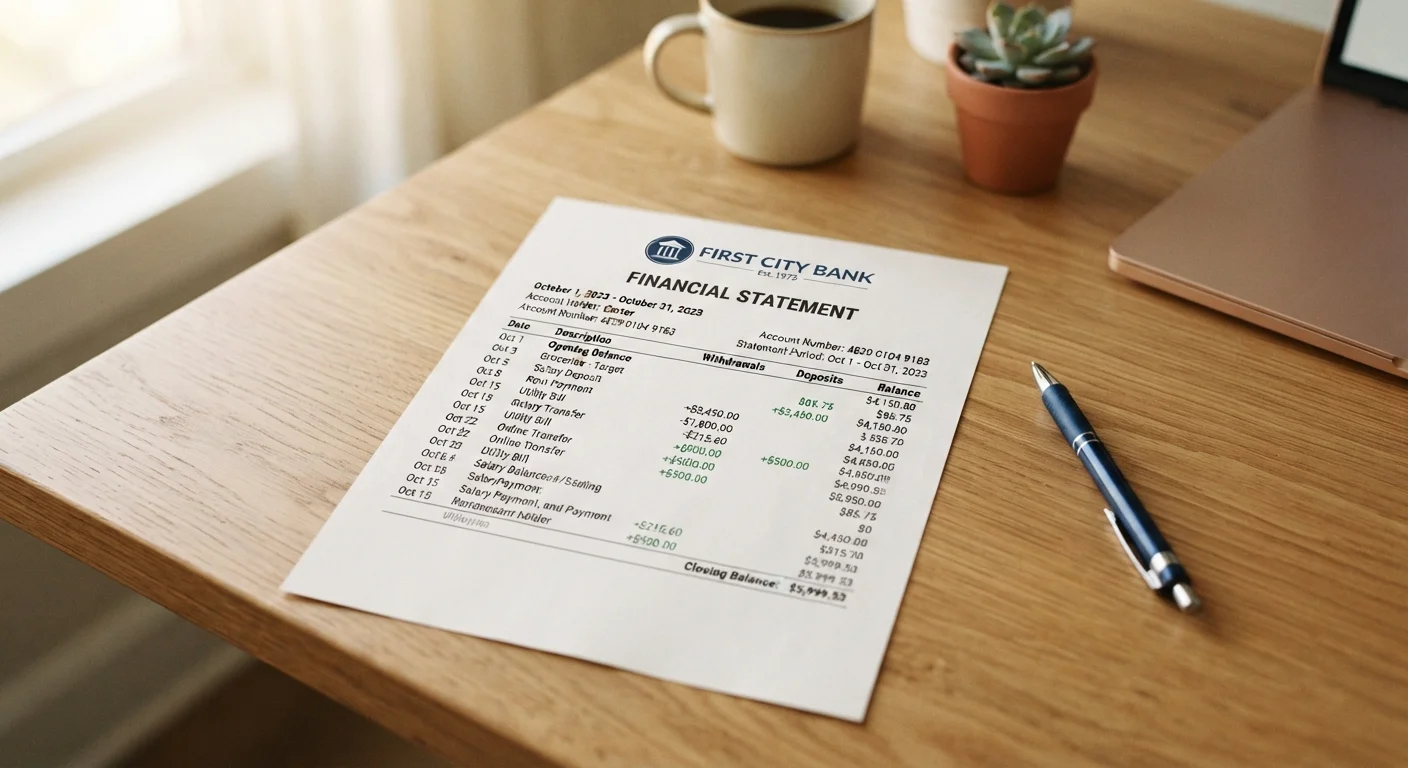
Neither card type eliminates fraud risk. Monitoring your statements regularly is the most reliable way to catch problems early. The guide to reading a bank statement explains what to look for line by line.
Interest, fees, and your credit score
Debit cards carry no interest because you are not borrowing. The main cost risks are overdraft fees, which vary by bank, and out-of-network ATM fees. Credit cards charge interest only when you carry a balance past the due date. APRs vary widely depending on the card and your credit profile, so the cost of carrying a balance can grow quickly.
Credit card activity is reported to the three major credit bureaus, Equifax, Experian, and TransUnion. Your payment history and the share of your credit limit you use (called credit utilization) both affect your credit score. Debit card activity is not reported to credit bureaus, so it has no direct effect on your score either way.
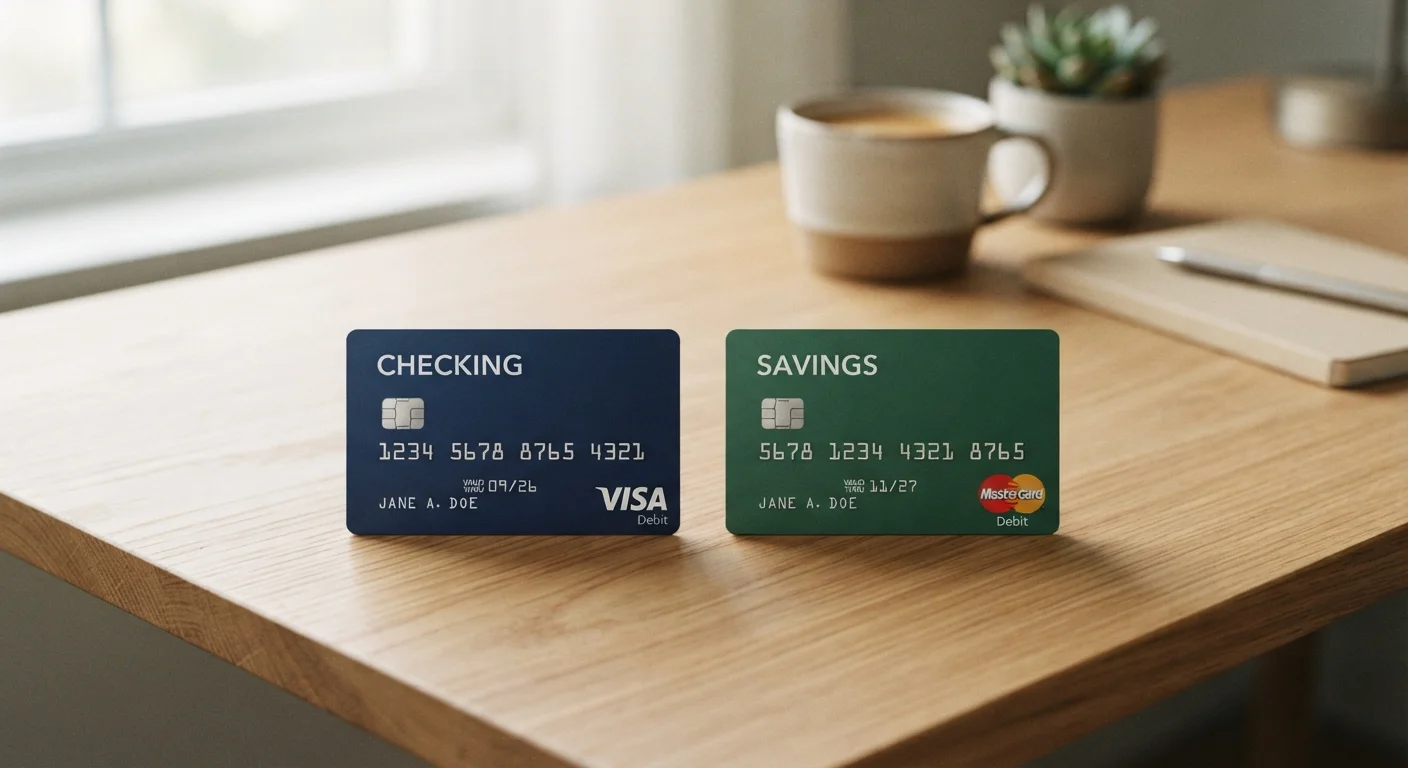
Because a credit card is a borrowing tool, spending beyond what you can repay introduces financial risk. This article is general financial information and not personalized advice. For guidance specific to your situation, a licensed financial counselor or adviser can help. Understanding how your checking account connects to both card types is also useful; the comparison of checking and savings accounts covers that foundation.
This article is for general informational purposes only and does not constitute personalized financial, legal, or tax advice. Consult a qualified financial professional before making decisions based on your individual circumstances.