Why the same pattern keeps repeating
If your savings balance drops to near zero before the month ends, the cause is almost never a single large purchase. It is a pattern: money flows out faster than it was planned to, and there is no structural barrier slowing it down.
The mistakes below are not about willpower. They reflect how most people were never taught to set up their accounts and spending plan in a way that makes saving automatic rather than effortful. Fixing them requires adjusting the system, not trying harder.
This article is general financial information and education, not personalized financial advice. For guidance specific to your situation, consult a licensed financial professional.
The most common mistakes draining your savings
Each of the patterns below is self-reinforcing: once it is in place, it quietly repeats every month without any obvious trigger. Recognizing them is the first step to interrupting the cycle.
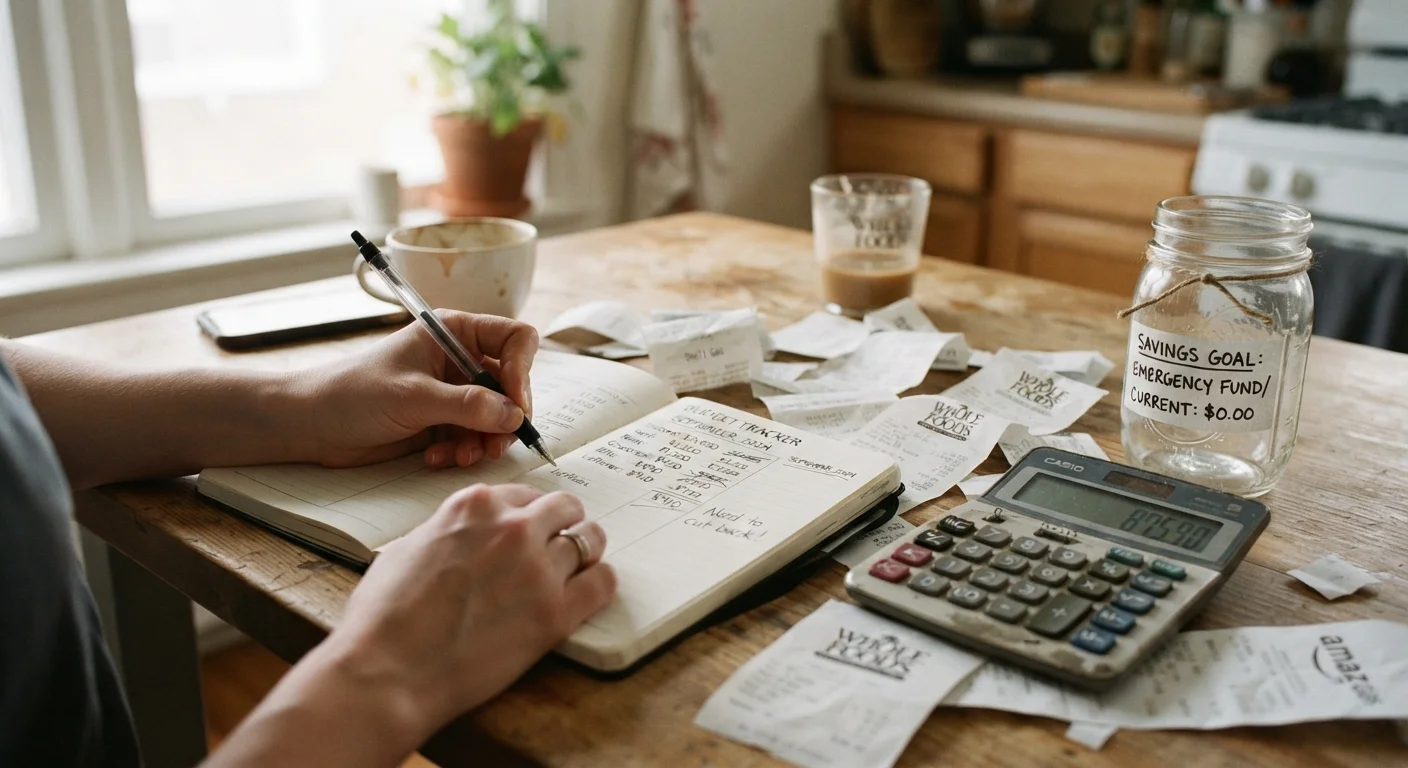
Saving whatever is left at the end of the month instead of setting money aside first.
Why it happens: Most people think of savings as a reward for discipline rather than a fixed expense, so it gets treated as optional if money runs short.
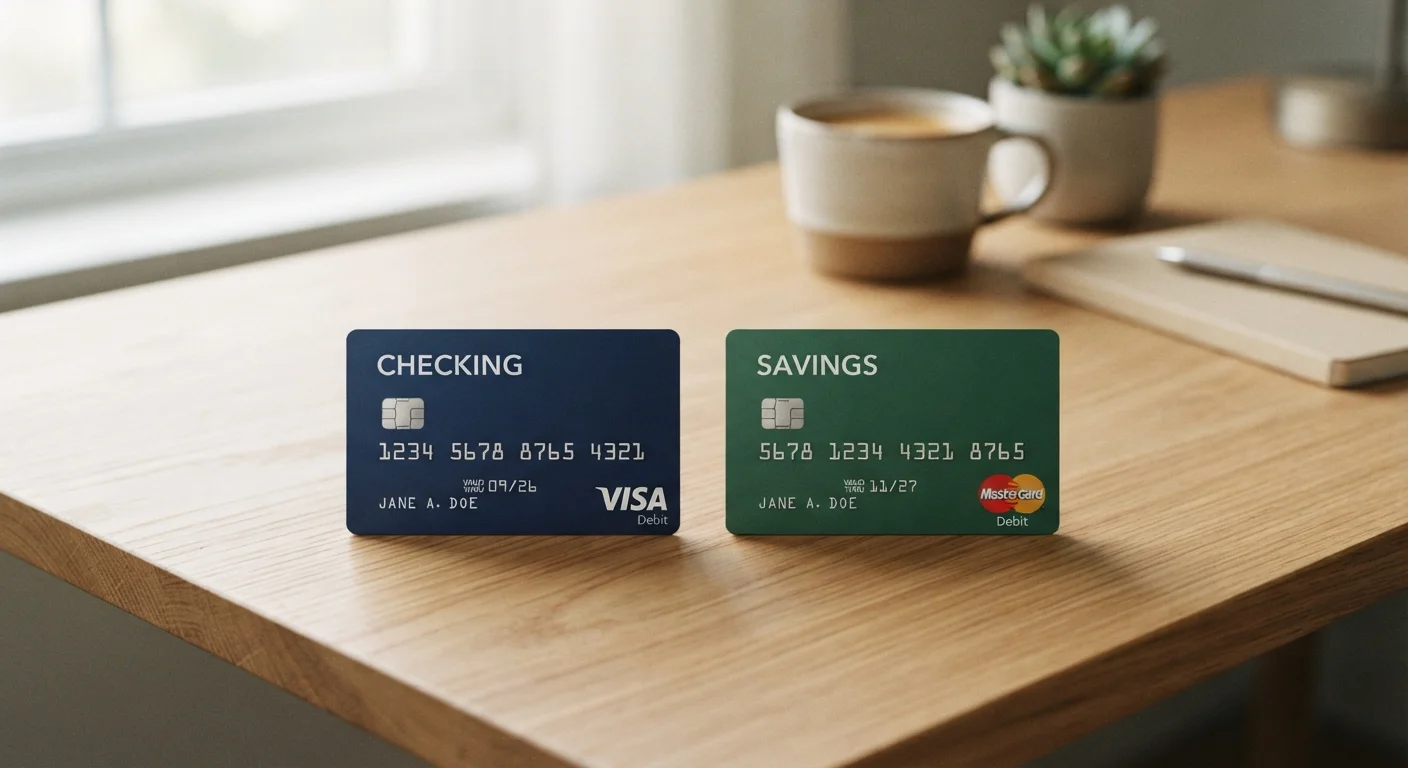
Storing savings in the same checking account used for daily spending.
Why it happens: It feels convenient to have everything in one place, and the balance looks healthy, making it easy to justify unplanned purchases.
Building a budget around fixed bills while ignoring irregular expenses.
Why it happens: Annual fees, quarterly insurance premiums, and seasonal costs do not show up every month, so people forget to account for them until the charge hits.
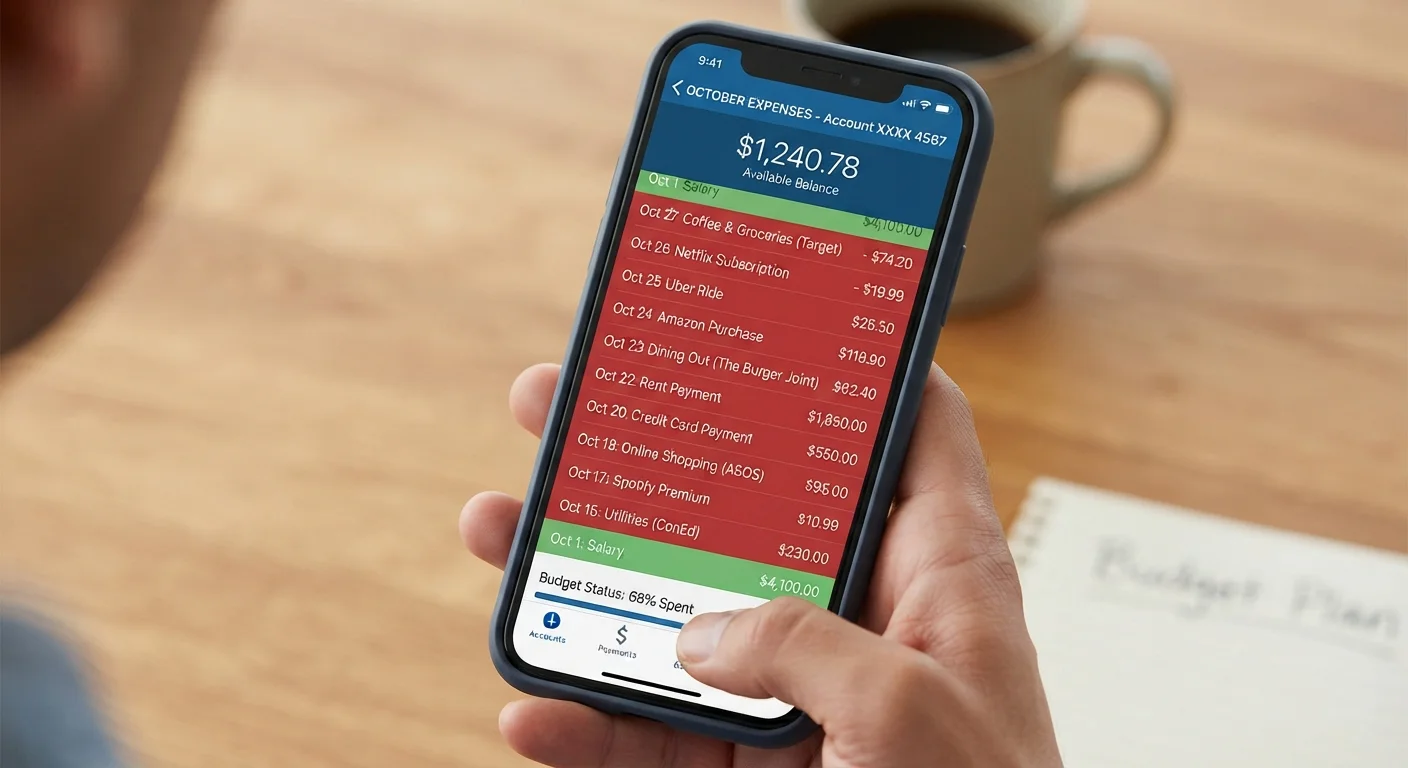
Underestimating how much small recurring charges cost in total.
Why it happens: A $10 or $15 monthly charge feels insignificant on its own. When a person has several running simultaneously, the combined total rarely appears anywhere in their budget.
Treating a credit card balance as available spending money.
Why it happens: Available credit looks like a buffer, which makes it easy to rationalize purchases with a plan to pay them back from the next paycheck.
Never reviewing actual spending against the plan mid-month.
Why it happens: Checking spending feels uncomfortable when you suspect you are over budget, so many people wait until the end of the month when there is little left to adjust.
After auditing recurring charges and separating your savings account from your spending account, consider where those savings should actually live. High-yield savings accounts have trade-offs worth understanding before you move money into one, including rate variability and withdrawal restrictions.
If an unexpected expense has already wiped out your balance, your plan may need an emergency buffer before it can handle irregular costs. Learn how much to keep in an emergency fund and where to keep it to build that foundation.
Building a plan that holds through the month
57%
Americans unable to cover a $1,000 emergency from savings
According to Bankrate's annual emergency savings survey, a majority of U.S. adults would need to borrow or use credit to cover an unexpected $1,000 expense.
$219
Average monthly spend on subscriptions per U.S. household
Research from C+R Research found that consumers consistently underestimate their subscription spending, often by more than half.
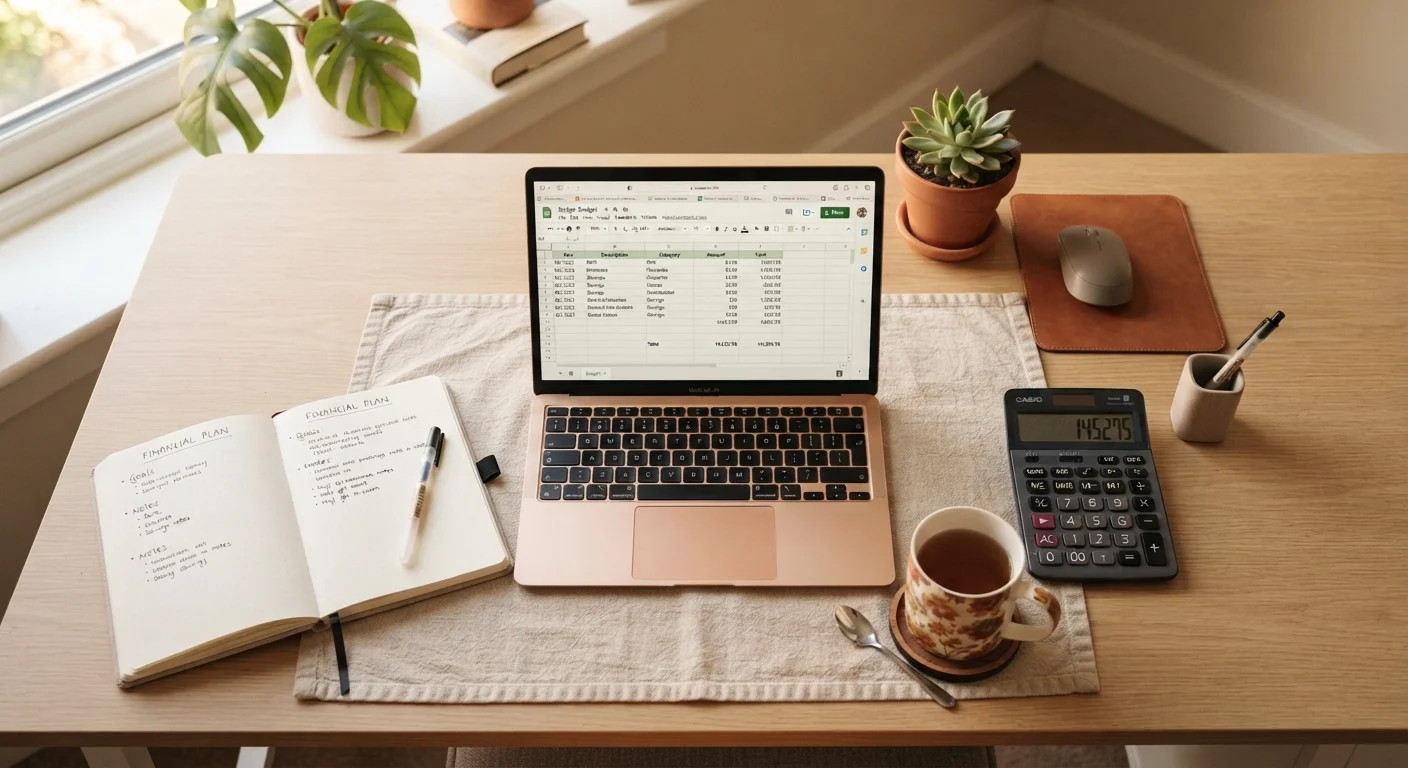
A budget that only covers fixed bills will break under the weight of everything it did not account for. The goal is a spending plan that includes irregular costs, a set savings transfer, and a mid-month check so small overruns get caught before they compound.
A year-end financial review checklist is a practical way to surface irregular annual expenses you may have forgotten, so you can fold them into next year's monthly plan before they appear as surprises.