How each account type works
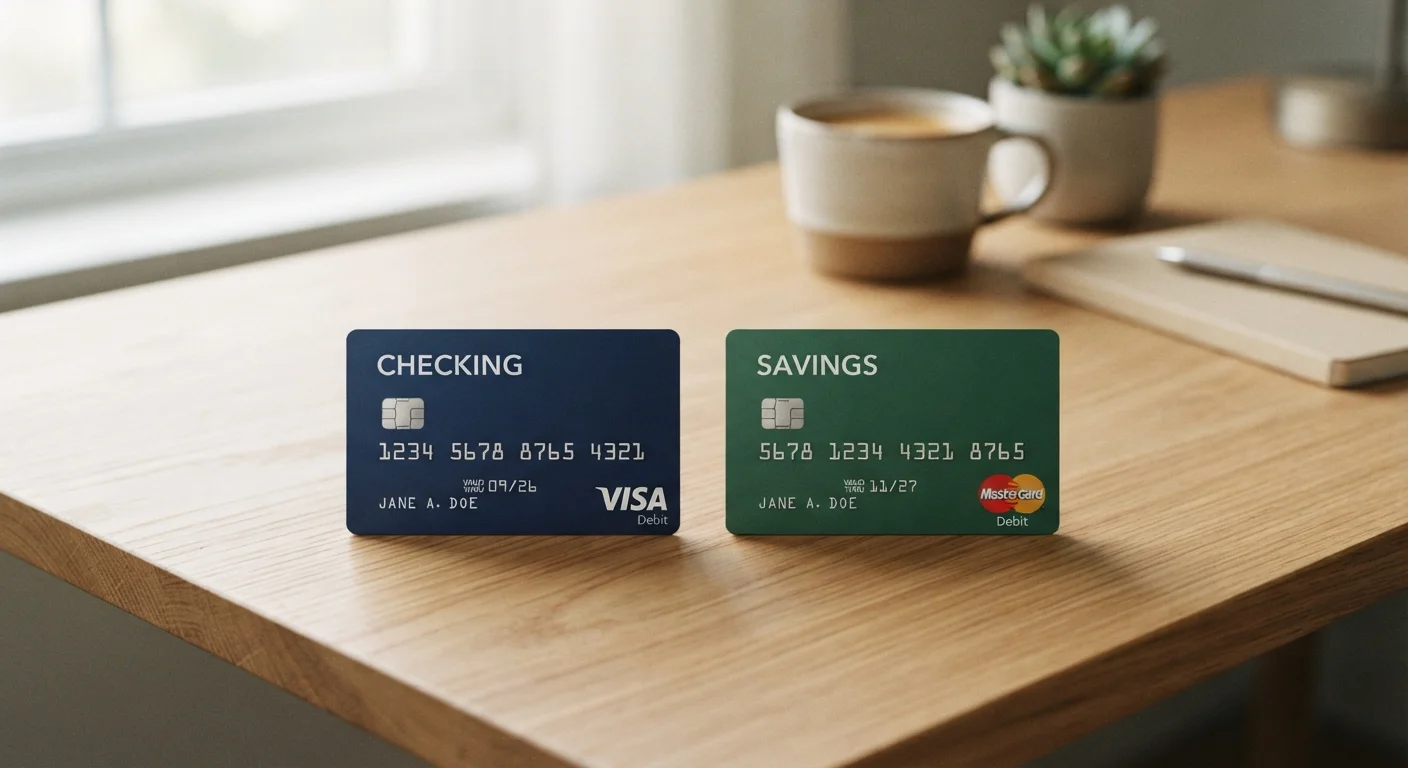
A checking account is a deposit account designed for regular, frequent use. You can withdraw money, write checks, make debit card purchases, set up automatic bill payments, and receive direct deposits without any practical limit on the number of transactions. Banks generally do not pay interest on checking balances, or pay a negligible rate.
A savings account holds money you do not intend to spend immediately. Banks pay interest on the balance, expressed as an annual percentage yield (APY). The rate varies by institution and changes over time alongside broader interest rate conditions. Because savings accounts are meant for accumulation, they have historically been subject to federal transaction limits, though the Federal Reserve suspended the six-withdrawal-per-month cap under Regulation D in 2020. Individual banks may still enforce their own withdrawal restrictions, so checking with your bank directly is worth doing before relying on frequent transfers.
Both account types at banks chartered in the United States are typically insured by the Federal Deposit Insurance Corporation (FDIC) up to $250,000 per depositor, per institution, per ownership category. Credit unions carry equivalent protection through the National Credit Union Administration (NCUA).
Key differences between checking and savings accounts
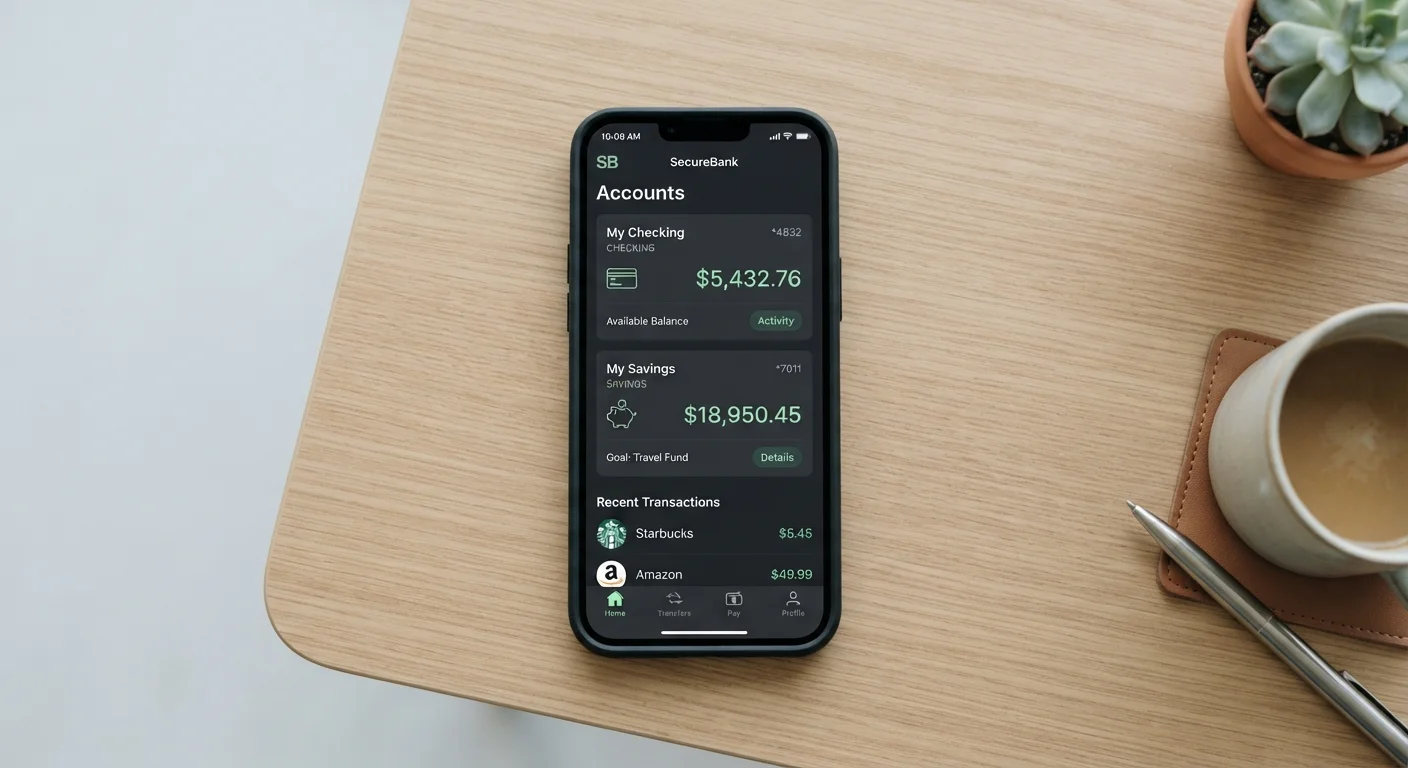
The clearest distinction is access versus accumulation. Checking accounts are optimized for moving money out; savings accounts are optimized for holding money in. This shapes everything from the fees each account type charges to how they connect to other financial products.
| Criterion | Checking account | Savings account |
|---|---|---|
| Primary purpose | Daily transactions and payments | Accumulating and holding funds |
| Interest earned | None or very low | Yes, varies by institution |
| Transaction limits | Unlimited | May vary by bank policy |
| Debit card access | Standard | Typically not included |
| Bill pay and direct deposit | Yes, standard features | Limited or not available |
| Overdraft risk | Yes, possible with frequent use | Lower, less frequent outflows |
| FDIC/NCUA insured | Yes, up to $250,000 | Yes, up to $250,000 |
Fees are another point of difference. Checking accounts sometimes charge monthly maintenance fees, overdraft fees, or minimum-balance fees. Savings accounts may also carry monthly fees if the balance falls below a set threshold. Both fee structures vary widely across banks and credit unions, so reviewing the account terms before opening is important.
For a closer look at how debit cards tied to checking accounts handle money differently from credit cards, see how debit and credit cards move money differently.
When a checking account makes more sense
A checking account fits situations where money needs to move in and out constantly. Paying rent, utilities, subscriptions, and groceries through one central account simplifies tracking and reduces the risk of missed payments. Because checking accounts connect to debit cards and support electronic fund transfers, they work well as the primary hub for day-to-day financial activity.
Most employers route direct deposits into checking accounts, which means the paycheck is available immediately and without waiting for inter-bank transfer delays. For anyone building a monthly money routine, the checking account is typically the starting point from which other allocations flow.
When a savings account makes more sense
A savings account is better suited for money with a specific future purpose. An emergency fund is the most common example. Financial guidance generally suggests holding three to six months of essential expenses in a liquid, accessible account. Keeping that reserve in a savings account, separate from the checking account used for daily spending, reduces the chance of accidentally spending it. For more on sizing and storing an emergency fund, see how much to keep in an emergency fund and where.
Savings accounts also suit short-term goals such as a vacation fund, a down payment reserve, or an appliance replacement fund. The interest earned will not replace investing, but it does mean idle cash grows modestly rather than sitting flat.
If your savings balance keeps shrinking before the month ends, the issue may be structural rather than willpower-related. The article why savings disappear before the month ends covers common patterns that drain reserves quietly.
Readers who want more return on savings without moving into investment accounts may also want to review the trade-offs of high-yield savings accounts before opening one.
This article is for general informational purposes only and does not constitute personalized financial advice. Speak with a licensed financial professional before making decisions about your own accounts or financial plan.