What each policy actually covers
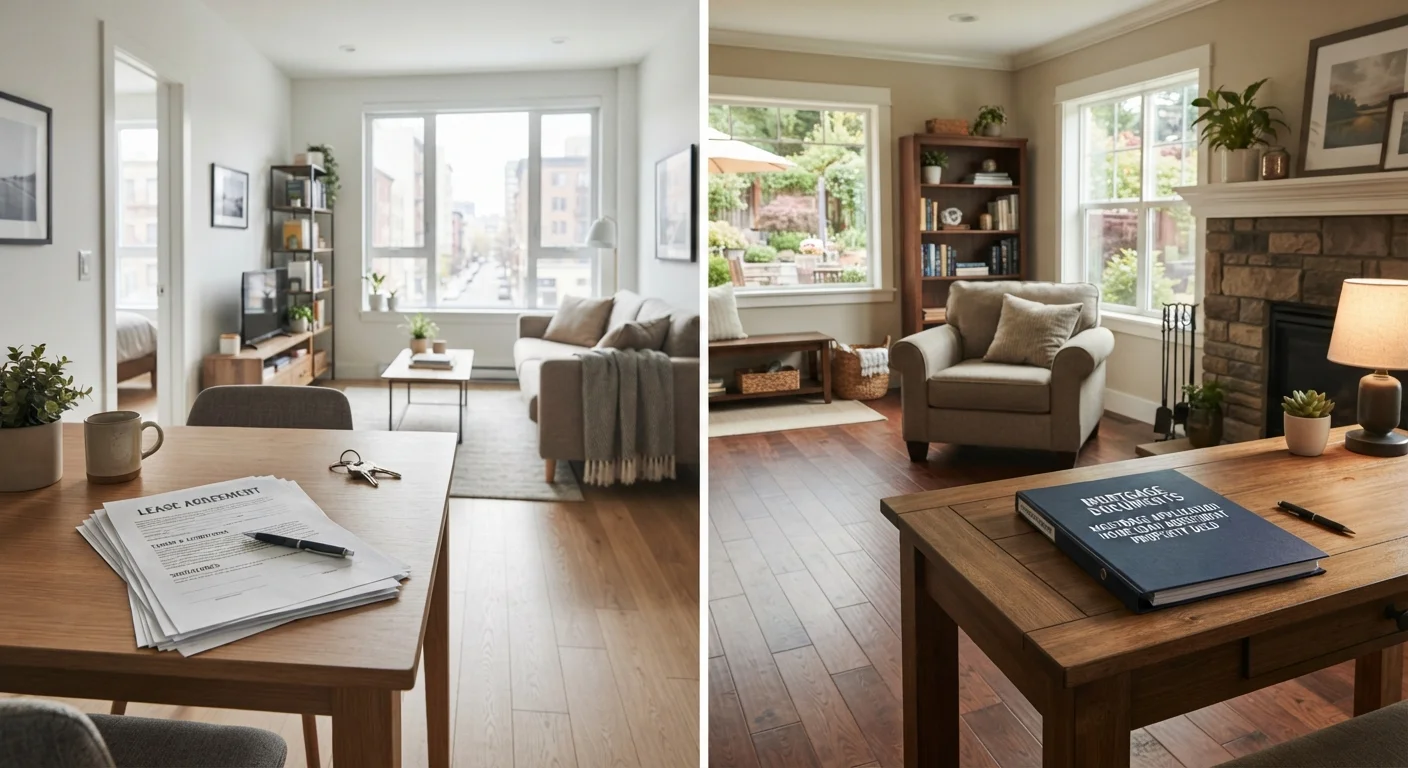
The most common source of confusion is simple: people assume their housing situation is covered by someone else's policy. Renters often believe their landlord's insurance protects their possessions. It does not. A landlord's policy covers the building structure and the landlord's own liability. If a pipe bursts and ruins your furniture, or a thief takes your laptop, that loss belongs to you unless you carry a renters policy.
Homeowners insurance covers the dwelling itself (meaning the physical structure), personal property inside the home, and personal liability. Because the homeowner owns the building, they are responsible for repairing or rebuilding it after a covered loss. That responsibility is what makes dwelling coverage the defining difference between the two product types.
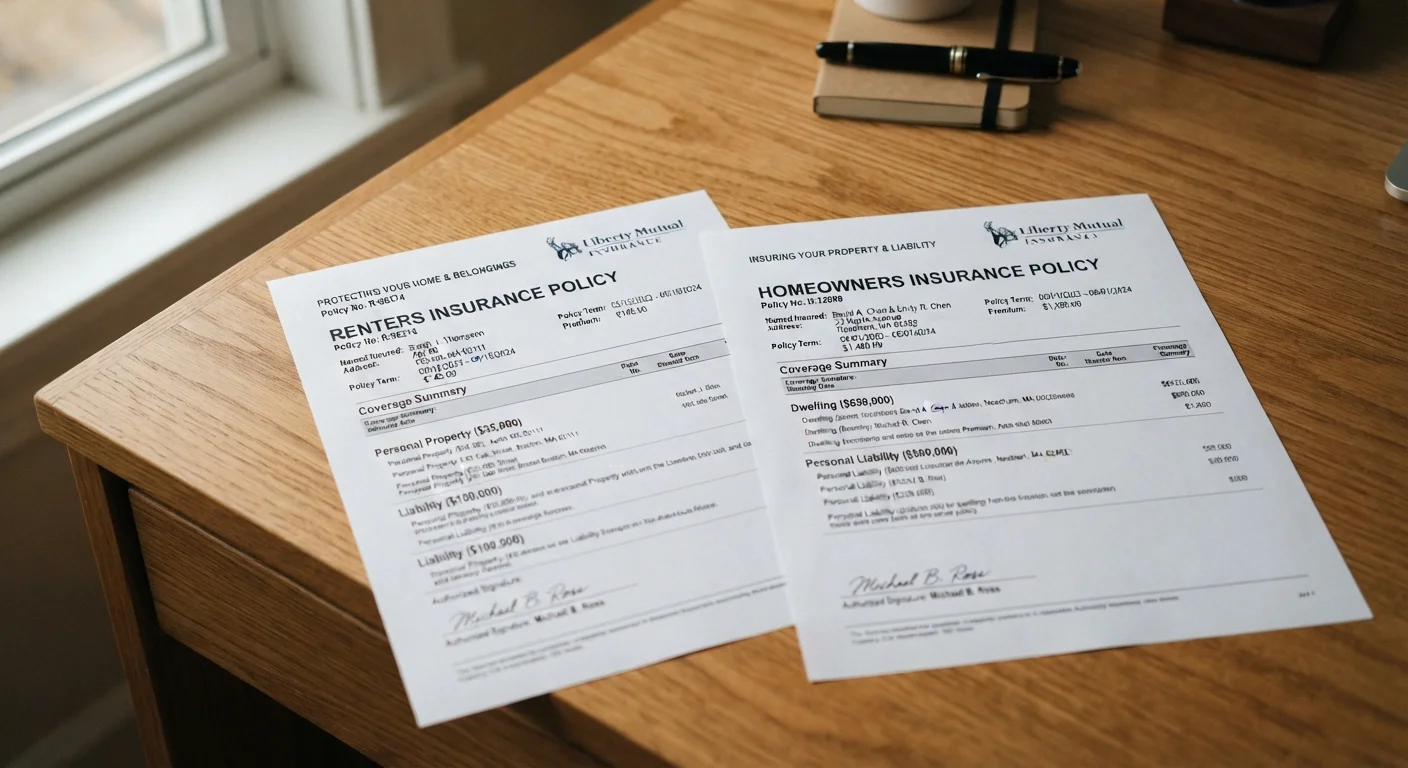
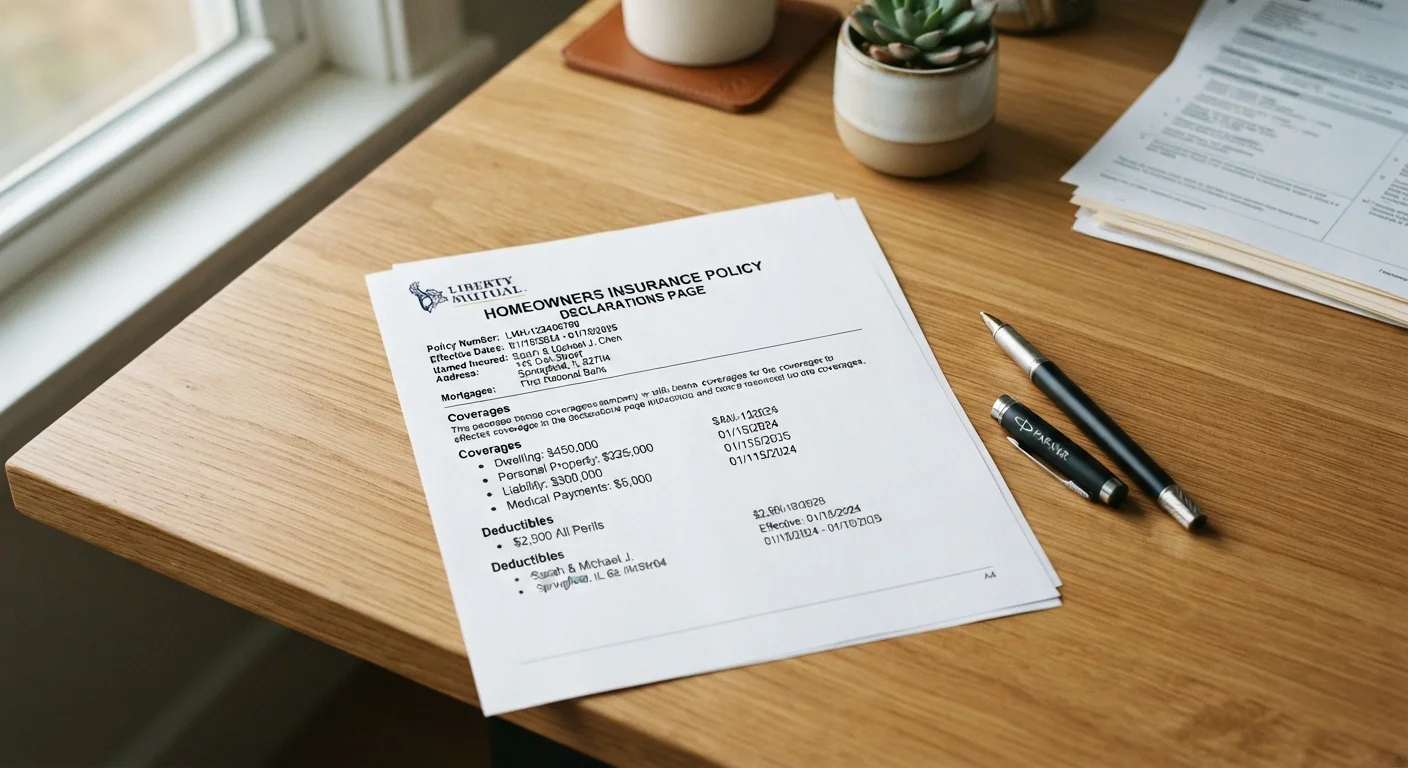
Both policy types include personal liability coverage, which pays if someone is injured on your property and holds you responsible. Both also typically include loss-of-use coverage, which helps pay for temporary housing if your home becomes uninhabitable after a covered event. The scope of those benefits and the dollar limits vary by policy, so reading the declarations page matters. The declarations page guide walks through what each section means.
Coverage gaps that apply to both groups
Flooding caused by external water (rising rivers, storm surge) is excluded from standard renters and homeowners policies. Earthquake damage is also excluded in most states. Both require separate policies or endorsements. This gap catches many policyholders off guard because water damage from internal sources, such as a burst pipe, is typically covered, while water entering from outside is not.
Flood and earthquake coverage
Standard renters and homeowners policies both exclude flood damage from external water sources. Flood insurance is available separately through the National Flood Insurance Program (NFIP) and some private insurers. Earthquake coverage is also excluded in most standard policies and requires a separate policy or endorsement. Check your policy documents to confirm what water-related losses are and are not covered.
Homeowners face additional gaps tied to the structure. A standard homeowners policy covers the dwelling at either its actual cash value (depreciated) or its replacement cost, and those two figures can differ significantly. Carrying a policy limit below what it would actually cost to rebuild leaves the homeowner responsible for the difference. The underinsured homeowner article covers this and other commonly missed gaps in detail.
Renters are not immune to gaps either. High-value items such as jewelry, instruments, or collectibles often have sublimits inside a standard renters policy, meaning the policy will only pay up to a set amount for that category even if your total loss is higher. A scheduled personal property endorsement can raise those limits for specific items.
How housing status changes what you need to compare
When a renter shops for coverage, the two main variables are the personal property limit (enough to replace your belongings) and the liability limit. Renters policies are generally straightforward to compare because the dwelling structure is not part of the equation.
Homeowners have more variables to evaluate: dwelling replacement cost coverage, detached structures (garages, fences), personal property limits, liability limits, and loss-of-use coverage. A home warranty, which covers mechanical systems and appliances, is a separate product entirely and does not substitute for homeowners insurance. The home warranty vs. home insurance article explains the difference clearly.
For a full breakdown of what a standard homeowners policy includes, the home insurance explained article covers dwelling, liability, and personal property coverage in plain terms. Renters who want to understand why going without coverage is a risk worth taking seriously can find that context in the renters insurance risk article.
This article is for general informational purposes only and does not constitute insurance, financial, or legal advice. Coverage terms, exclusions, and availability vary by insurer and state. Consult a licensed insurance professional to evaluate your specific situation.