

Benefits you are paying for but may not be using
Health plans in the United States, including many Medicare Advantage plans, routinely include benefits that go beyond doctor visits and prescription coverage. According to data collected by the Kaiser Family Foundation, a large share of Medicare Advantage enrollees have access to supplemental benefits such as gym memberships, dental care, and over-the-counter allowances, yet many members never use them.
The gap is not about eligibility. Members are enrolled and paying premiums that already cover these extras. The gap is awareness. Plan documents can run dozens of pages, member portals vary in how clearly they surface benefit categories, and insurers rarely send reminders about perks unrelated to claims. If you are preparing for open enrollment, the open enrollment preparation checklist on this site can help you review what your current plan includes before you decide whether to switch.
Below are the benefit categories that most commonly go unclaimed, along with what to check in your own plan.
Fitness memberships and gym access
Many Medicare Advantage plans include enrollment in fitness programs at no additional cost to the member. SilverSneakers, Silver&Fit, and Renew Active are three widely available programs that provide access to participating gyms, fitness classes, and online workout resources. Commercial health plans, particularly those sold through large employers, sometimes include similar arrangements or offer subsidized memberships.
To check: look in your benefits summary under "fitness" or "wellness programs." If your plan includes one of these programs, you can locate participating locations through the program's own website using your member ID.
Fitness program access through Medicare Advantage is often included at no extra cost to members.
Telehealth and virtual care
Telehealth coverage expanded significantly after 2020, and many plans now include virtual visits for primary care, behavioral health, and even dermatology at low or no cost sharing. Some plans offer a separate telehealth platform, such as Teladoc or MDLive, that is distinct from your primary care provider network.
Virtual mental health sessions are frequently covered under behavioral health benefits and may have a separate cost structure from in-person visits. If you have not used telehealth and your plan includes it, check whether virtual visits count toward your deductible the same way in-person visits do. An HSA overview can clarify how health savings account funds apply to these costs if you carry an HSA-eligible plan.
Many plans include a separate telehealth platform members can access without a referral.
Vision and hearing discounts
Original Medicare does not cover routine vision or hearing care, but most Medicare Advantage plans include at least a basic vision benefit, typically covering one annual eye exam and a set allowance toward frames or contact lenses. Hearing benefits, including coverage toward hearing aids or hearing exams, are increasingly standard in Medicare Advantage plans, according to CMS enrollment data.
Commercial plans sold through employers often include vision coverage as a separate rider or as part of a bundled benefits package. Members sometimes lose track of an annual allowance simply because the benefit resets each plan year with no automatic notification.
Medicare Advantage hearing and vision allowances reset annually and do not roll over if unused.
Over-the-counter product allowances
Some Medicare Advantage plans provide a periodic allowance for over-the-counter health products, including pain relievers, vitamins, bandages, and other items available through a plan-approved catalog or participating retailer. The allowance amount and eligible items vary by plan, and unused balances typically expire at the end of each quarter or benefit period.
Veterans who coordinate VA benefits with Medicare Advantage should be aware that these allowances may overlap with VA-supplied items. The article on VA benefits and Medicare covers how the two sources of coverage interact.
OTC allowances in some Medicare Advantage plans expire quarterly, so timing matters.
Meal delivery after a hospitalization
A growing number of Medicare Advantage plans cover post-discharge meal delivery for members recovering from a hospital stay or surgery. The benefit typically applies for a limited number of days after discharge and is intended to support recovery for members who may have difficulty shopping or cooking.
This benefit is usually found under "supplemental benefits" or "post-acute care" in plan documents. It is one of the lesser-known additions to Advantage plans and is almost never part of Original Medicare coverage.
Post-hospitalization meal delivery is a supplemental benefit that most members do not know to look for.
Mental health and stress management tools
Beyond standard behavioral health coverage, some plans provide access to app-based mental health tools, mindfulness programs, or coaching services at no additional charge. These are separate from therapy visits and do not require a diagnosis or referral. They are often listed under wellness or preventive benefits rather than behavioral health.
Seniors, in particular, may find these tools useful between appointments or in areas with limited in-person mental health providers. Overlooked senior discounts also covers non-insurance programs that support wellbeing at lower cost.
App-based mental wellness tools included in some plans require no referral and no diagnosis.
Transportation to medical appointments
Non-emergency medical transportation is a supplemental benefit in certain Medicare Advantage plans, covering rides to and from covered medical appointments. Eligibility and the number of covered trips per year vary significantly by plan and geographic area. Some plans use a dedicated transportation vendor; others reimburse members directly.
This benefit is distinct from emergency ambulance coverage. It applies to scheduled appointments and is intended for members who cannot easily drive or use public transit. Check your plan's benefit guide under "transportation" or call member services directly to confirm how to schedule a covered ride.
Non-emergency medical transportation benefits are available in some plans but require advance scheduling.
How to find what your plan actually covers
The most reliable place to start is your plan's Summary of Benefits and Coverage (SBC), a standardized document your insurer is required to provide. Log in to your member portal, navigate to plan documents, and search for terms like "supplemental benefits," "wellness programs," or "extra benefits." Many plans also maintain a separate benefits guide that is easier to read than the full policy document.

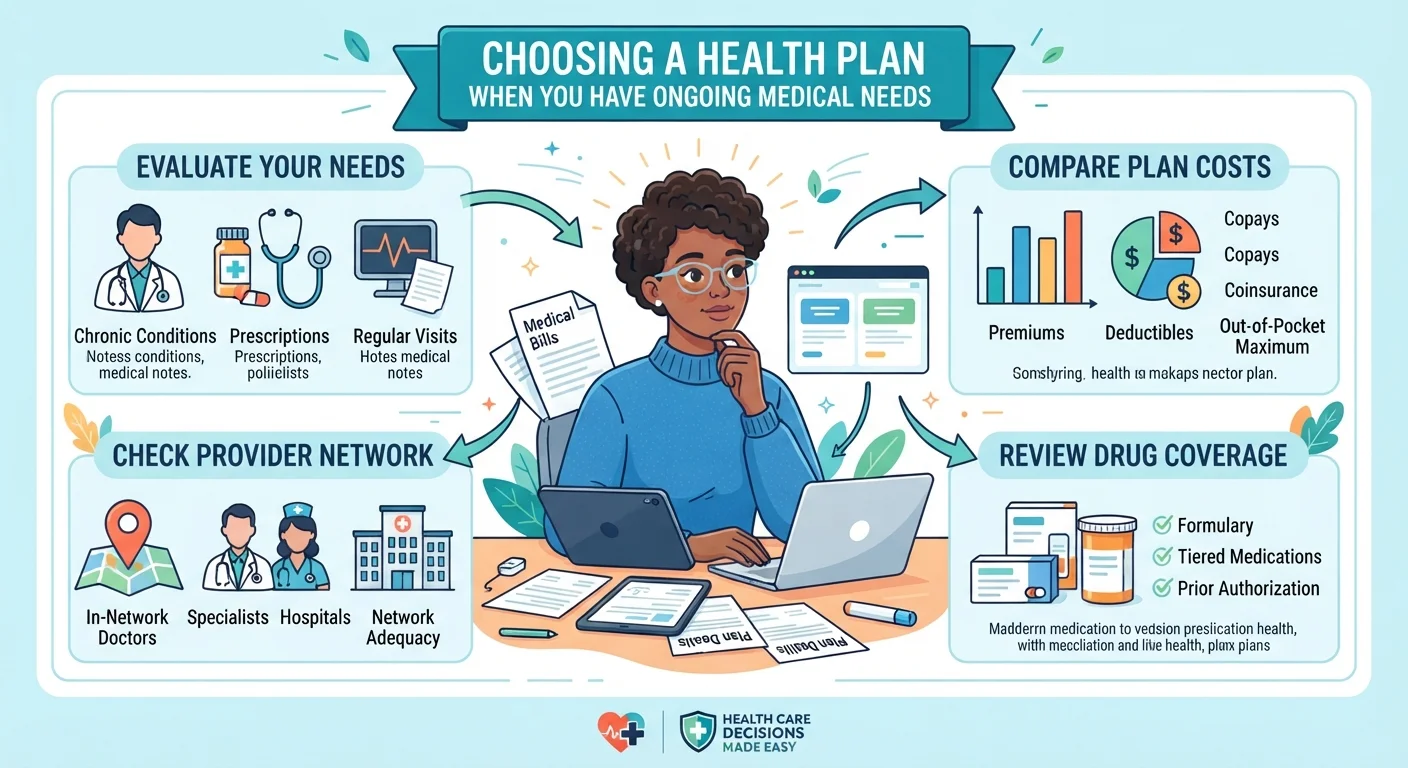
If you manage a chronic condition or take regular medications, certain benefit categories may matter more to you. The article on choosing a health plan with ongoing medical needs covers which plan features to prioritize in that situation. Seniors can also explore the broader senior resource hub for guidance on Medicare, supplemental coverage, and related programs.
This article is for general informational purposes only and does not constitute medical or insurance advice. Coverage details, benefit availability, and eligibility vary by plan, insurer, and state. Review your actual plan documents and consult a licensed insurance professional before making coverage decisions.