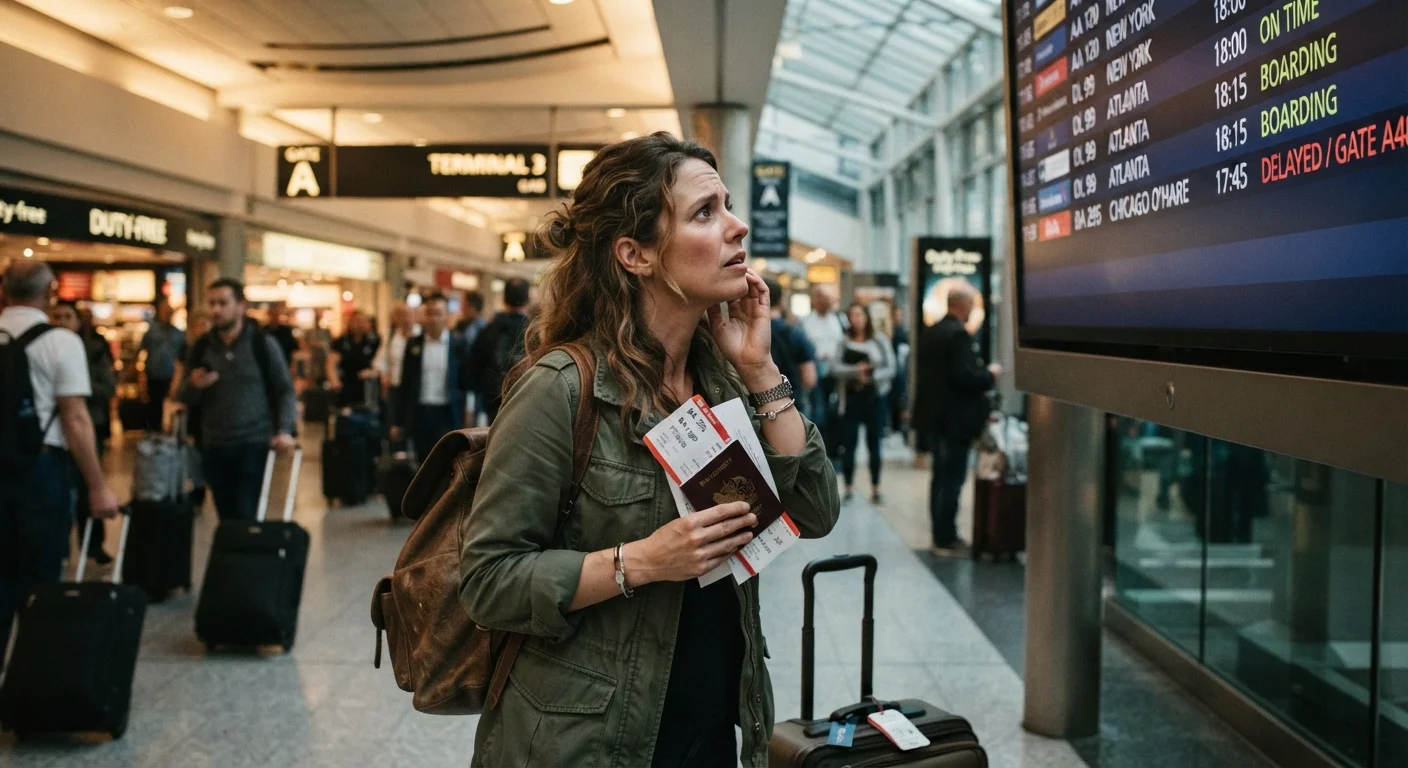

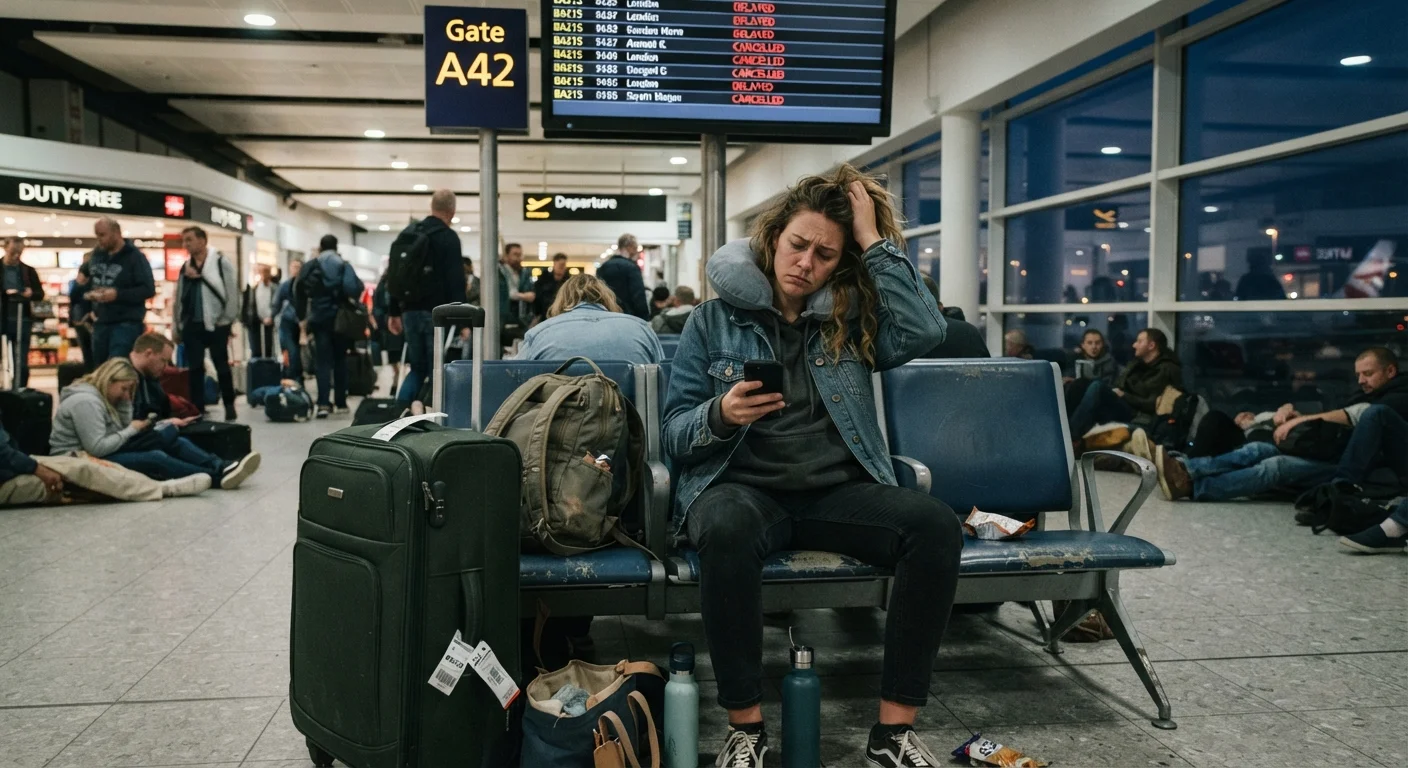
Why small booking decisions create big travel problems
Most travel disruptions that feel like bad luck are actually the result of decisions made weeks or months earlier at the booking stage. A skipped checkbox, an unread policy paragraph, or a rushed checkout process can produce fees, denied boarding, or stranded itineraries that no amount of in-trip problem-solving can fully fix.
Budget-conscious travelers face a particular risk: the pressure to find a lower price can push attention away from the terms attached to that price. Understanding the conditions of what you are buying matters as much as the cost. If travel industry terms like 'fare class' or 'CFAR' are unfamiliar, the traveler's glossary of booking and insurance terms covers the definitions you need before you commit to any purchase.
The most common booking mistakes and how to avoid them
The errors below cover the booking stage specifically: the window between deciding to travel and completing your reservations. Each one is fixable with a bit of extra attention before you pay.
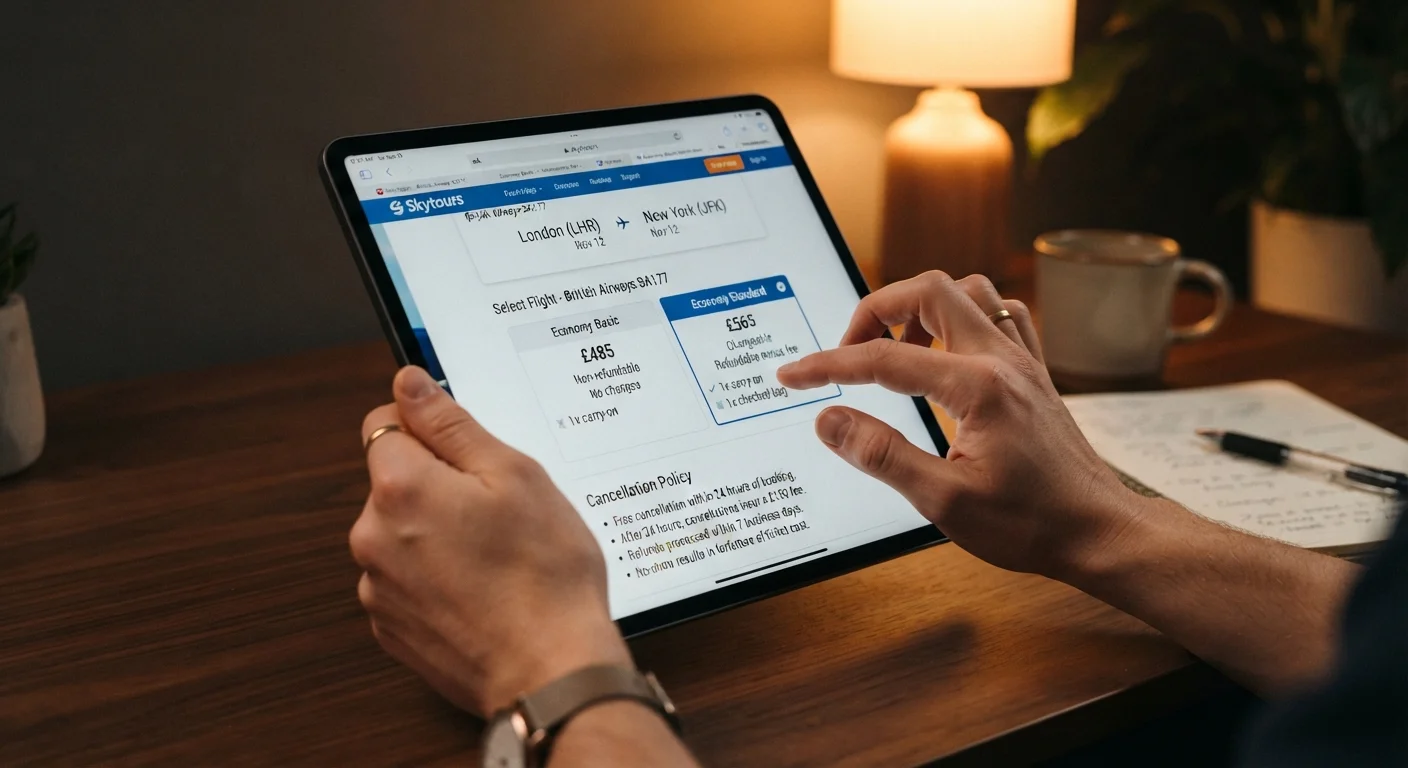
Assuming all bookings are refundable when they are not.
Why it happens: Many booking platforms display a large 'Free cancellation' badge prominently, which leads travelers to assume that every option on the page carries that benefit. Travelers often click through quickly without verifying whether their specific fare or room type qualifies.
Booking a connecting flight with an insufficient layover.
Why it happens: Shorter layovers appear cheaper and feel manageable in theory, especially on a domestic route. Travelers underestimate how long deplaning, walking between terminals, and clearing any security re-entry can take.
Entering a traveler name that does not exactly match the government-issued ID.
Why it happens: People often type a nickname, drop a middle name, or abbreviate a long surname when filling out booking forms quickly. This feels harmless at the time.
Skipping travel protection on the assumption that nothing will go wrong.
Why it happens: Travel protection feels like an optional add-on cost when the trip is going well in the planning stage. Travelers often underestimate how many covered events, including illness, job loss, or weather emergencies, can disrupt even carefully planned trips.
Not accounting for destination entry requirements until the last minute.
Why it happens: Travelers focus on flights and hotels and treat entry documentation as a detail to handle later. Visa processing times, required vaccinations, and passport validity rules often catch people off guard close to departure.
Booking activities or tours as non-refundable without checking the weather or operational reliability of the experience.
Why it happens: Travelers are excited to lock in popular experiences and may not realize these bookings carry the same refund risks as flights or hotels.
Travelers with specific health conditions or mobility considerations face additional planning layers. The article on senior travel planning considerations addresses those needs in detail.
What to do before you confirm any booking
A short pre-checkout habit can prevent most of the errors above. Before entering payment information, answer these questions about the reservation in front of you:
- Does the cancellation policy return cash, or only travel credit?
- Is the name field filled in exactly as it appears on your travel ID?
- If there is a connection, how much time is between the two flights, and are they on the same ticket?
- Have you confirmed that your passport is valid for at least six months beyond your travel dates, if required by the destination?
- Have you reviewed what portion of this booking is non-refundable?
For travelers also considering how to manage the overall trip cost, the guide to international travel on a budget covers which savings strategies hold up in practice.
Separate tickets mean separate risks
When you book a connecting itinerary across two separate tickets, whether through different airlines or booking platforms, the second carrier has no obligation to rebook you if the first flight causes you to miss the connection. You would need to purchase a new ticket at the current fare. If you book this way intentionally to save money, factor that potential cost into your decision.