

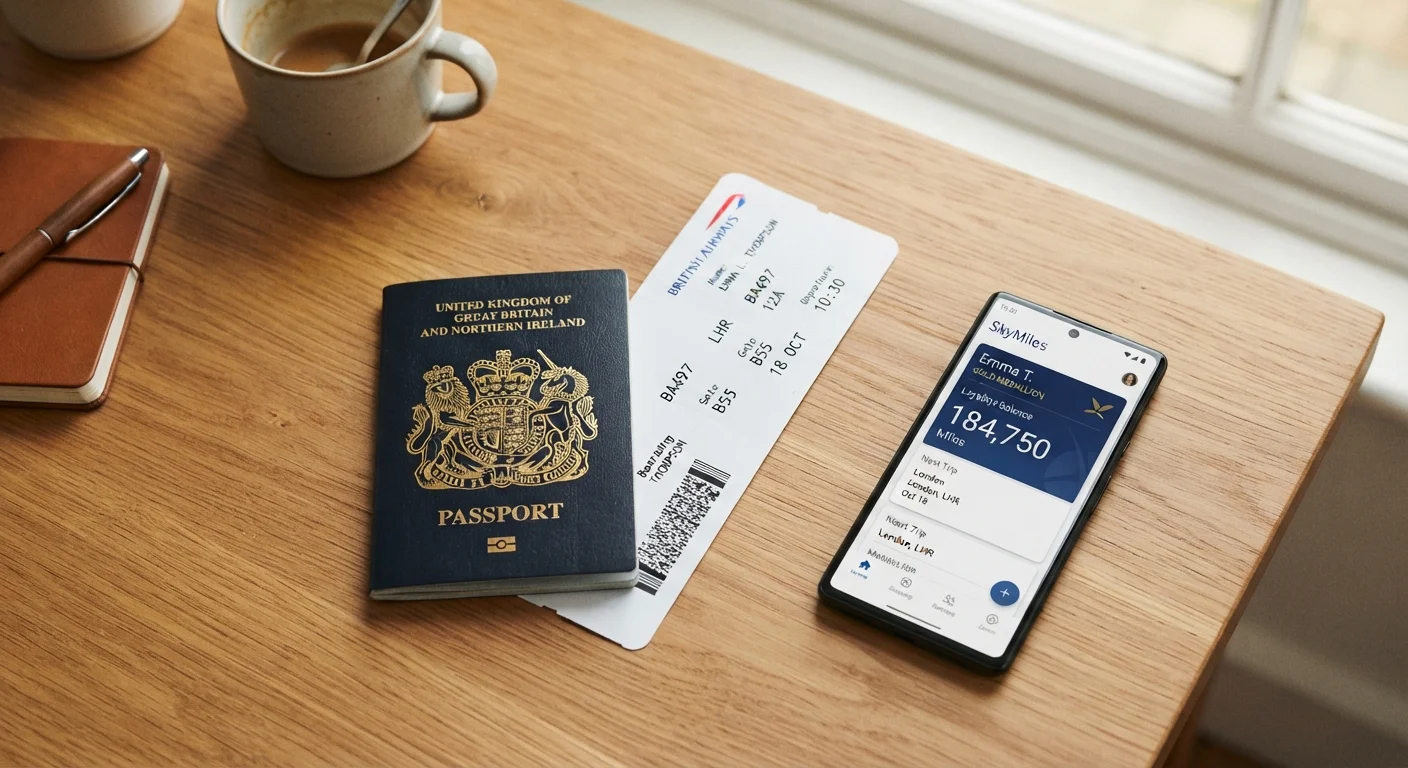
How earning switched from miles flown to dollars spent
For decades, frequent flyer programs awarded miles equal to the distance of a flight. A 2,500-mile round trip earned roughly 2,500 miles. That model changed when Delta, United, and American restructured their programs between 2014 and 2016 to tie earnings to ticket revenue instead.
Under a revenue-based model, a traveler who pays $300 for a short flight may earn more miles than one who pays $150 for a longer route. Each program publishes a base earning rate expressed as miles per dollar spent. Delta SkyMiles, for example, awards 5 miles per dollar on base fares for general members. The multiplier rises with elite status.
A few programs, including Southwest Rapid Rewards, have used revenue-based earning since their inception. Others, such as some international carriers, still use a hybrid model that weights distance alongside fare class. When researching a program, check the program's own earning chart rather than assuming a uniform rule.
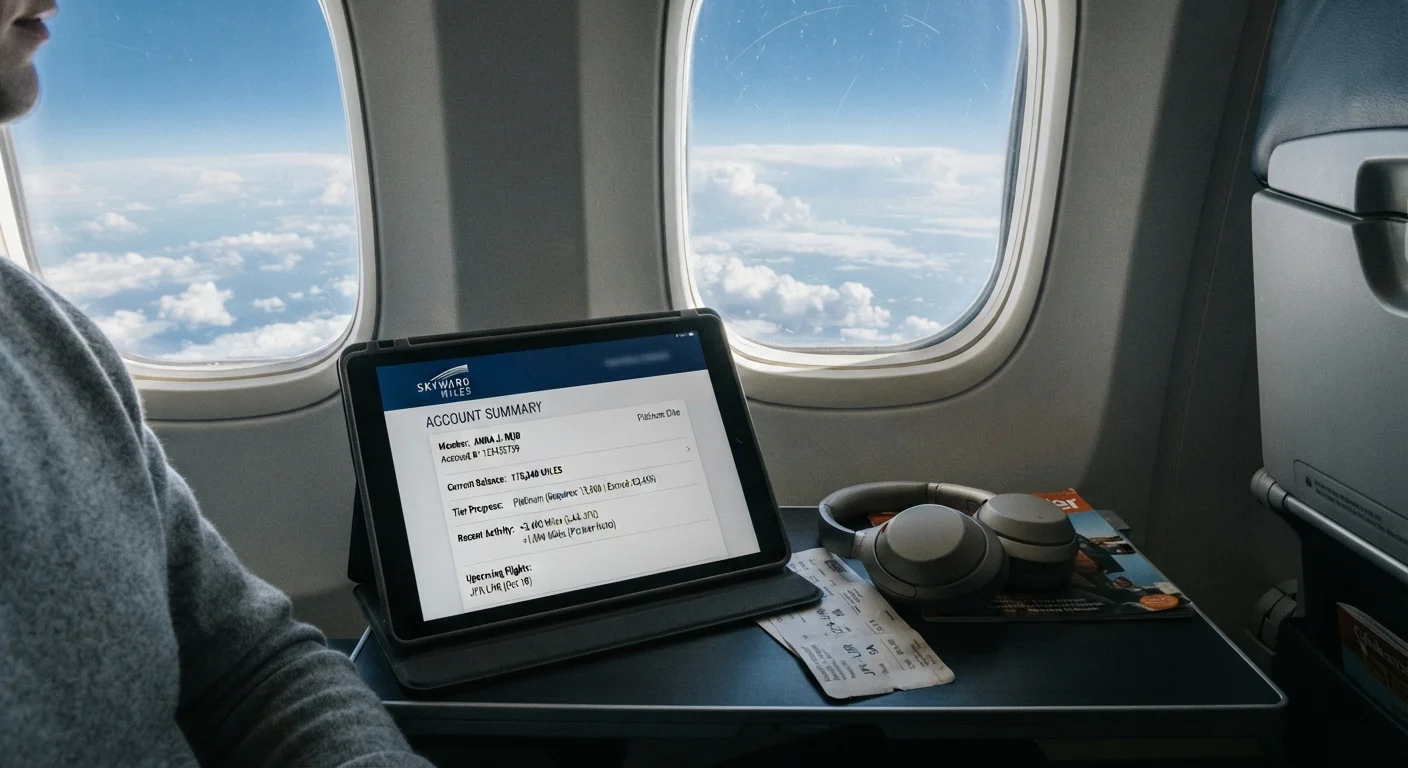
Fare class and its effect on earning
Even within a revenue model, airlines assign earning multipliers to different fare classes. A discounted economy ticket purchased in a basic economy fare bucket often earns at a lower rate than a full-price economy ticket, and a refundable or flexible fare earns at a higher rate still.
These multipliers appear in the airline's fare class earning chart, sometimes called an accrual table. Reading it before booking can change which ticket offers better value. A traveler who flies frequently on low-cost fares may accumulate miles more slowly than the headline rate suggests.
Check the fare class before booking
Before completing a ticket purchase, look up the fare class code in your airline program's earning chart. A ticket one fare class higher sometimes costs only a few dollars more but earns at a meaningfully better rate. The chart is usually in the program's FAQ or help section.
Partner earning beyond the flight itself
Airlines operate networks of earning partners: co-branded credit cards, hotel chains, car rental companies, and retail shopping portals. For many frequent flyers, partner spending generates more miles annually than flights alone.
Co-branded airline credit cards typically award 1 to 3 miles per dollar on everyday purchases, with higher rates on purchases made directly with the airline. Hotel transfer partnerships vary; some loyalty currencies convert to airline miles at a 1:1 ratio, others at 2:1 or worse. Shopping portals, accessible through an airline's website, award bonus miles when a member clicks through to a retailer before buying.
5x
Typical base miles per dollar on airline purchases
Most major U.S. carrier co-branded credit cards advertise 5 miles per dollar spent directly with the airline, though rates vary by card and program.
12-24 months
Inactivity window before miles expire
Most U.S. frequent flyer programs set expiration policies requiring at least one qualifying transaction within a 12- to 24-month window to keep miles active.
The earning rate from a partner depends on that partner's current agreement with the airline. Agreements change, so verifying the rate at the time of a transaction is good practice.
What miles are actually worth at redemption
Miles have no fixed dollar value set by law or regulation. An airline can adjust redemption rates at any time, and most have moved toward dynamic pricing, where the miles required for an award ticket shift based on demand, route, and booking timing.
A commonly cited estimate among travel analysts is that airline miles average between 1 and 1.5 cents in value per mile when used for domestic economy flights, though premium cabin redemptions on long-haul routes can yield more. Redeeming miles for merchandise, gift cards, or statement credits usually returns less value per mile than flight redemptions.
Miles also expire in most programs if the account shows no qualifying activity for 12 to 24 months, depending on the carrier. A small purchase through a shopping portal or a partner transaction is generally enough to reset the clock, but the specific rule is set by each program.
This article is for general informational purposes only. Loyalty program terms, earning rates, and redemption values change frequently. Verify current rules directly with the airline program before making travel decisions.