

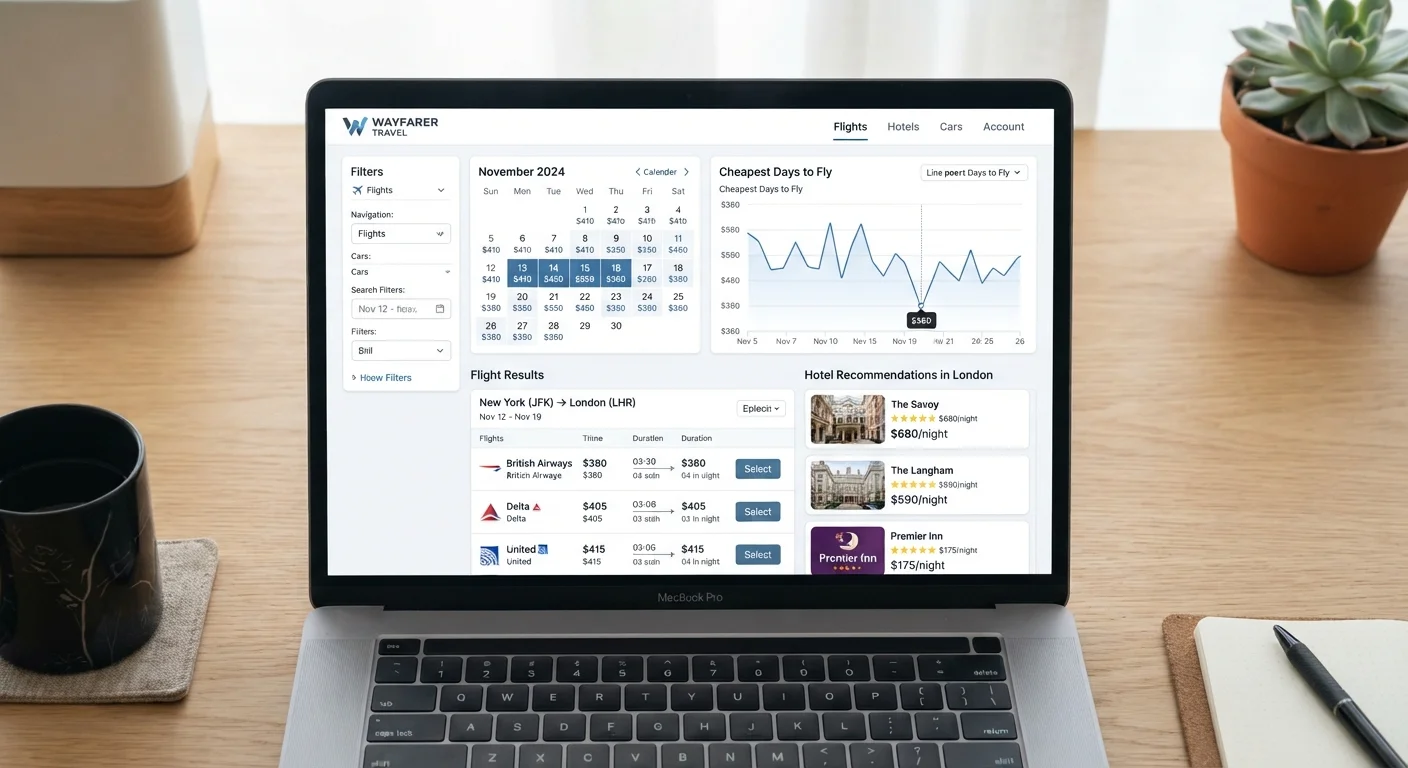
How airline pricing actually works
Airlines do not sell seats at a single price. They divide each cabin into fare classes, each represented by a letter code and each carrying its own price and set of rules. The lowest-priced classes are released in limited quantities. When those sell, the next class becomes the displayed price. A traveler searching the same route on the same day as another traveler may see a different price simply because one more seat in the cheaper bucket sold in the minutes between their searches.
Revenue management systems adjust how many seats each fare class holds based on historical booking patterns, current demand signals, and how many days remain before departure. A flight with strong early demand will exhaust lower fare classes faster, leaving only premium classes available well before the travel date. A route with weak demand may hold lower classes open until close to departure.
Booking platforms pull this fare class data from systems called Global Distribution Systems (GDS), which act as intermediaries between airlines and sellers. The platform displays the lowest available fare class at the time of your search. See our traveler's glossary for definitions of fare class, GDS, and related terms.
How hotels set and adjust their rates
Hotel pricing follows a similar demand-based logic. A property sets a base rate for each room type and then adjusts it according to occupancy levels, local events, and competitor pricing in the area. When a hotel is 80 percent booked for a given night, its revenue management software may automatically raise the remaining room prices. When occupancy is low, rates may drop to stimulate bookings.
Hotels also segment rates by channel. A room might be listed at one price on a booking platform operating under a rate parity agreement and at a different price through a loyalty program or direct booking incentive. Resort fees, parking charges, and other mandatory costs are sometimes excluded from the displayed rate and added at checkout, which makes direct price comparison between platforms harder than it first appears.
Local events such as conferences, festivals, or major sporting events compress available inventory across a market. Prices in an entire city can climb sharply for the same dates. Travelers comparing hotel rates for event weekends should expect fewer low-rate options regardless of which platform they use, because the underlying inventory is genuinely limited.
What booking platforms do (and do not do) to prices
A booking platform's primary function is aggregation: pulling live rates from airlines, hotels, and other suppliers and presenting them in one interface. The platform does not set the underlying price. What it can do is apply negotiated rates it has secured directly with suppliers, add its own service fees, or display only a subset of available inventory if its feed agreements are limited.
Search algorithms on these platforms also determine which results appear first. Factors like commission rates, partner status, and sponsored placement can affect display order independently of price. The lowest-priced result is not always the first one listed.
Prices are not guaranteed until payment clears
A price visible on a search results page is a live quote pulled from inventory systems. It is not held for you. In the time between searching and completing payment, that fare class or rate tier can sell out and the price can change. The confirmed price on your booking receipt is the binding figure.
Personalization is another layer. Platforms use browsing history, location data, and logged-in account information to tailor results. Two users searching the same route simultaneously may see results ranked differently. Prices for the same inventory should be the same regardless of personalization, but the order of presented options can vary.
For a broader look at how separating or bundling your purchases affects total cost, see our article on package deals vs. booking separately.
Reading prices with more context
Understanding the mechanics behind a displayed price helps you interpret what you are seeing rather than treating any single search result as definitive. A price that has risen since your last search likely reflects sold inventory in a lower fare class, not an algorithm reacting to your specific behavior. A price that seems unusually low may be in a fare class with strict change and cancellation rules.
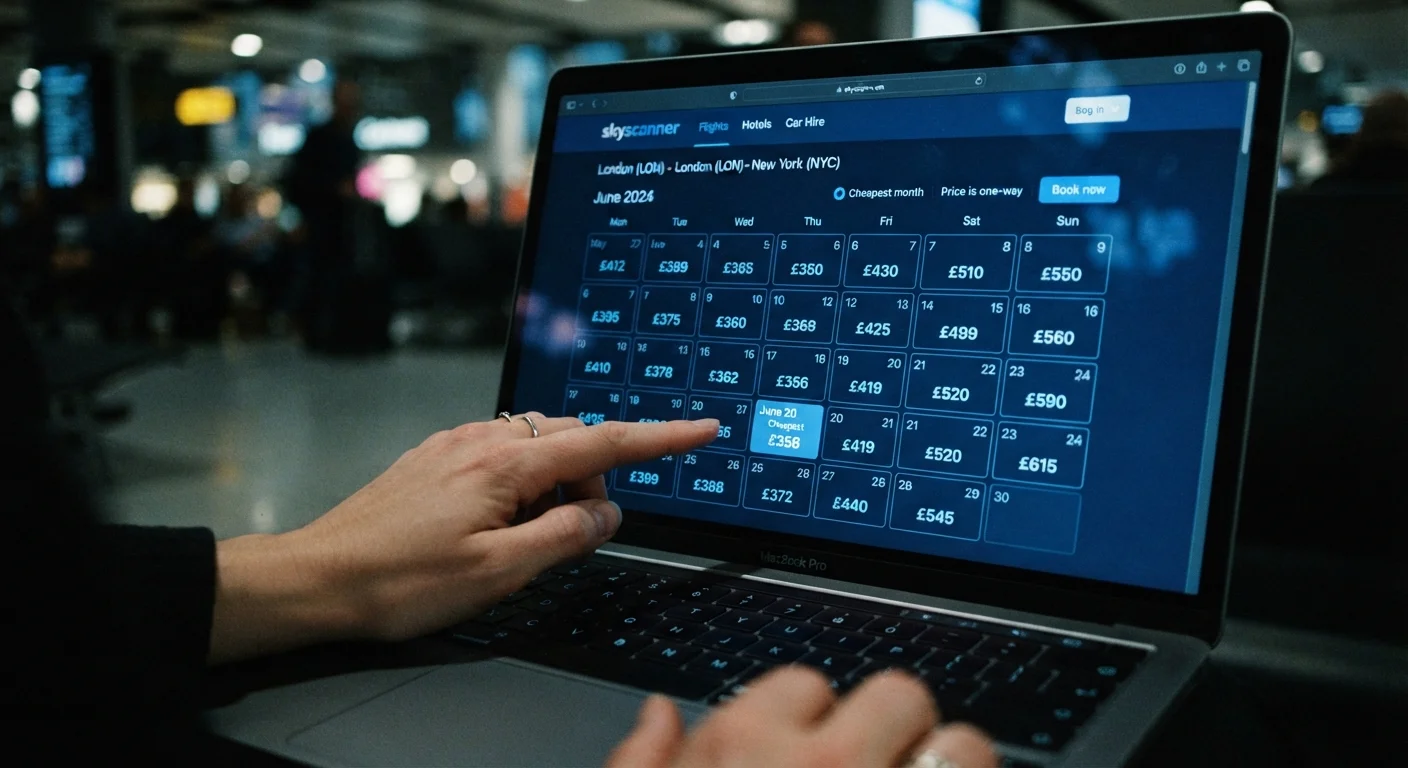
Flexible travel dates give access to a broader range of fare classes and occupancy tiers. The fare calendar view available on most flight search tools shows how prices shift across a range of dates, which is a direct window into fare class availability. For hotels, mid-week nights typically sit in lower occupancy tiers than weekend nights in leisure markets.
Taxes and fees vary by platform and are not always included in the initial displayed price. A booking that looks cheaper on one platform may carry a higher service fee disclosed only at checkout. The confirmed total on your receipt is the number that matters for comparison.
For strategies on applying this knowledge to international trips, see international travel on a budget. And before you finalize any booking, review common booking mistakes to avoid overlooking refund policies or other fine print.