
What sets each care type apart
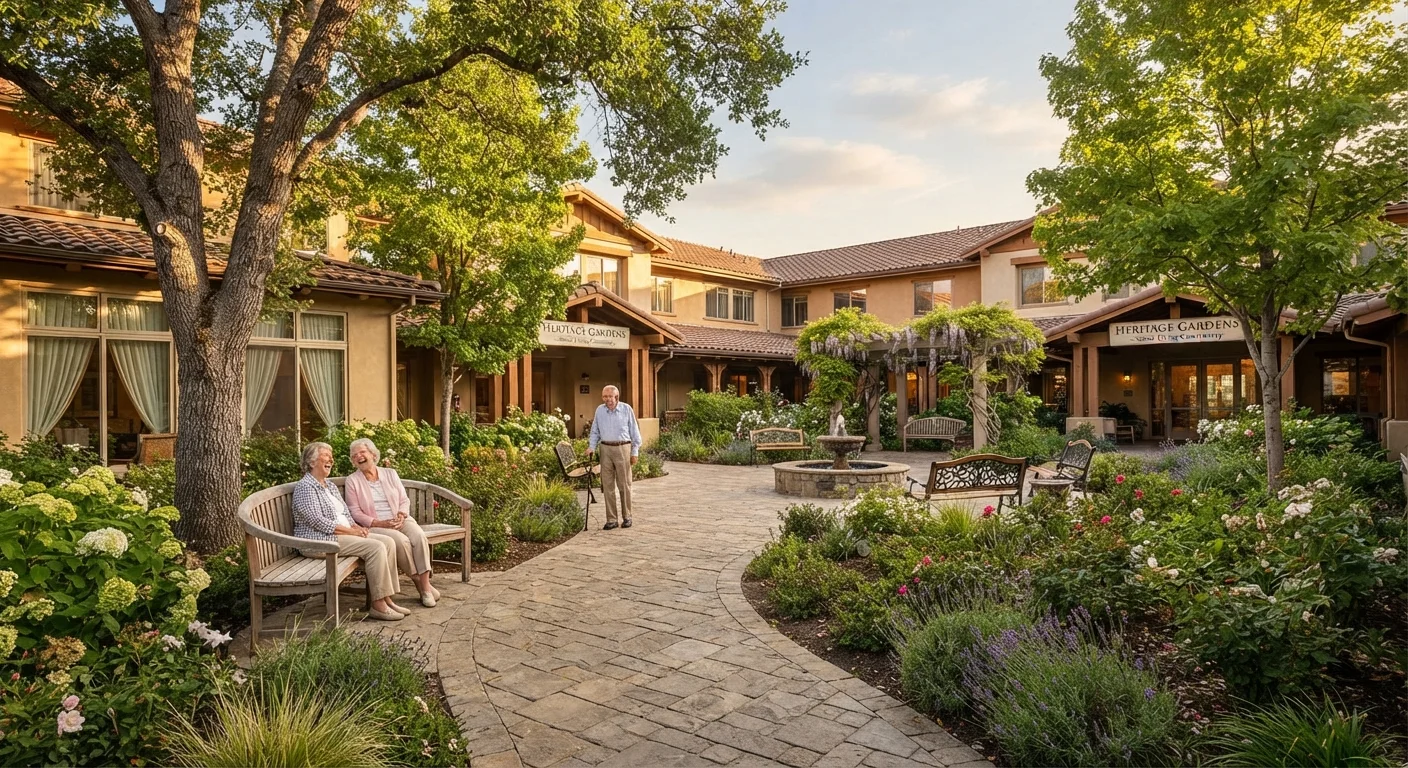
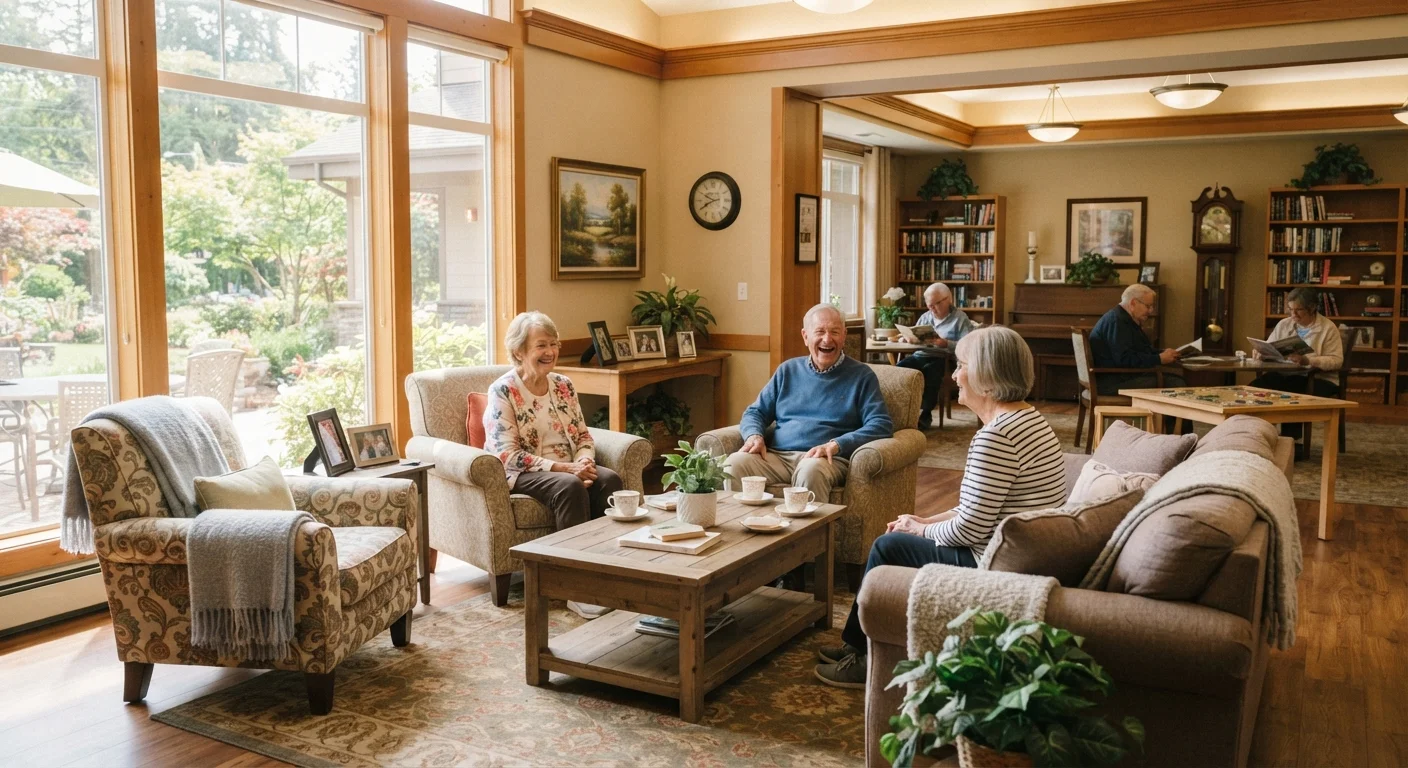
The three terms appear in many conversations about senior living, but they describe meaningfully different environments. Assisted living is a residential setting where staff help residents with activities of daily living, such as bathing, dressing, grooming, and managing medications. Residents typically live in private or semi-private apartments and maintain a social life within the community. Medical care is not the main focus; the setting is designed for adults who are largely independent but need some support.
Memory care is a specialized form of assisted living built specifically for people with Alzheimer's disease or other types of dementia. The physical environment is designed to reduce confusion and prevent wandering, with secured doors, clear sightlines, and structured daily routines. Staff receive additional training in dementia care. Some memory care programs operate as a dedicated wing within a larger assisted living community; others are stand-alone facilities.
Skilled nursing facilities (sometimes called nursing homes) are the most medically intensive option. Licensed nurses and therapists are on site around the clock. These facilities provide care after a hospitalization for a stroke, hip fracture, or serious illness, and they also serve people with complex, ongoing medical needs. Physical therapy, occupational therapy, and speech therapy are common services.
For a broader look at where these options fit within the full range of senior living choices, see senior living options from independent communities to nursing homes.
How costs and payment work
Costs differ substantially across all three settings and vary by geographic region, facility size, and services included. Assisted living is generally paid out of pocket or through long-term care insurance. Medicaid covers assisted living in some states under specific waiver programs, but not universally. Medicare does not cover assisted living.
Memory care typically costs more than standard assisted living because of the higher staffing ratios and specialized training involved. Payment sources are similar: private funds, long-term care insurance, or, in some states, Medicaid waivers.
Skilled nursing care has a different payment structure. Medicare Part A covers a limited stay in a skilled nursing facility after a qualifying hospital stay of at least three days, but coverage has specific time limits and cost-sharing requirements. Medicaid covers long-term skilled nursing care for those who meet financial and medical eligibility criteria, making it the primary payer for many residents over time.

Because the rules governing each payment source are detailed and change periodically, families benefit from speaking with a licensed social worker, elder law attorney, or benefits counselor before making decisions. This article is general information and is not financial or legal advice.
Choosing based on care needs
| Assisted living | Memory care | Skilled nursing | |
|---|---|---|---|
| Primary focus | Daily living support | Dementia-specific care | Medical and rehabilitation care |
| Medical staffing | Limited nursing staff | Dementia-trained staff | 24-hour licensed nurses |
| Cognitive care | General support | Specialized dementia care | Available but not primary focus |
| Typical resident | Medically stable, needs daily help | Alzheimer's or dementia diagnosis | Post-hospitalization or complex medical needs |
| Medicare coverage | Not covered | Not covered | Covered short-term after qualifying stay |
| Medicaid coverage | Some states, waiver programs | Some states, waiver programs | Widely covered for eligible individuals |
| Average intensity of care | Low to moderate | Moderate | High |
The decision usually comes down to three questions: How much help does the person need with daily tasks? Is there a cognitive condition affecting safety or judgment? And does the person need regular medical treatment or monitoring?
If the answer to the first question is moderate help, the second is no, and the third is no, assisted living is often a reasonable fit. When cognitive decline is present and affects safety, memory care provides an environment designed around those specific needs. When medical needs are complex or rehabilitation is the goal after a major health event, a skilled nursing facility has the clinical staff to provide that level of care.
Some campuses operate as continuing care retirement communities, offering assisted living, memory care, and skilled nursing in one location. That arrangement lets a resident move between levels of care without changing their broader community if their needs change.
For families who are weighing whether a move is necessary at all, aging in place with home modifications is worth reviewing alongside facility options.
What to do next
Once a family has a clearer sense of which level of care fits, the next practical steps involve visiting facilities, asking detailed questions about staffing, safety records, and what happens if a resident's needs increase. A checklist of what to look for during a tour is covered in evaluating an assisted living facility during a visit.
For families preparing to move a parent into assisted living specifically, a step-by-step family checklist for the move covers the financial, logistical, and paperwork steps involved.
This article is for general informational purposes only and does not constitute medical, financial, or legal advice. Consult qualified professionals for guidance specific to your family's circumstances.