
Why home modifications matter for independent living
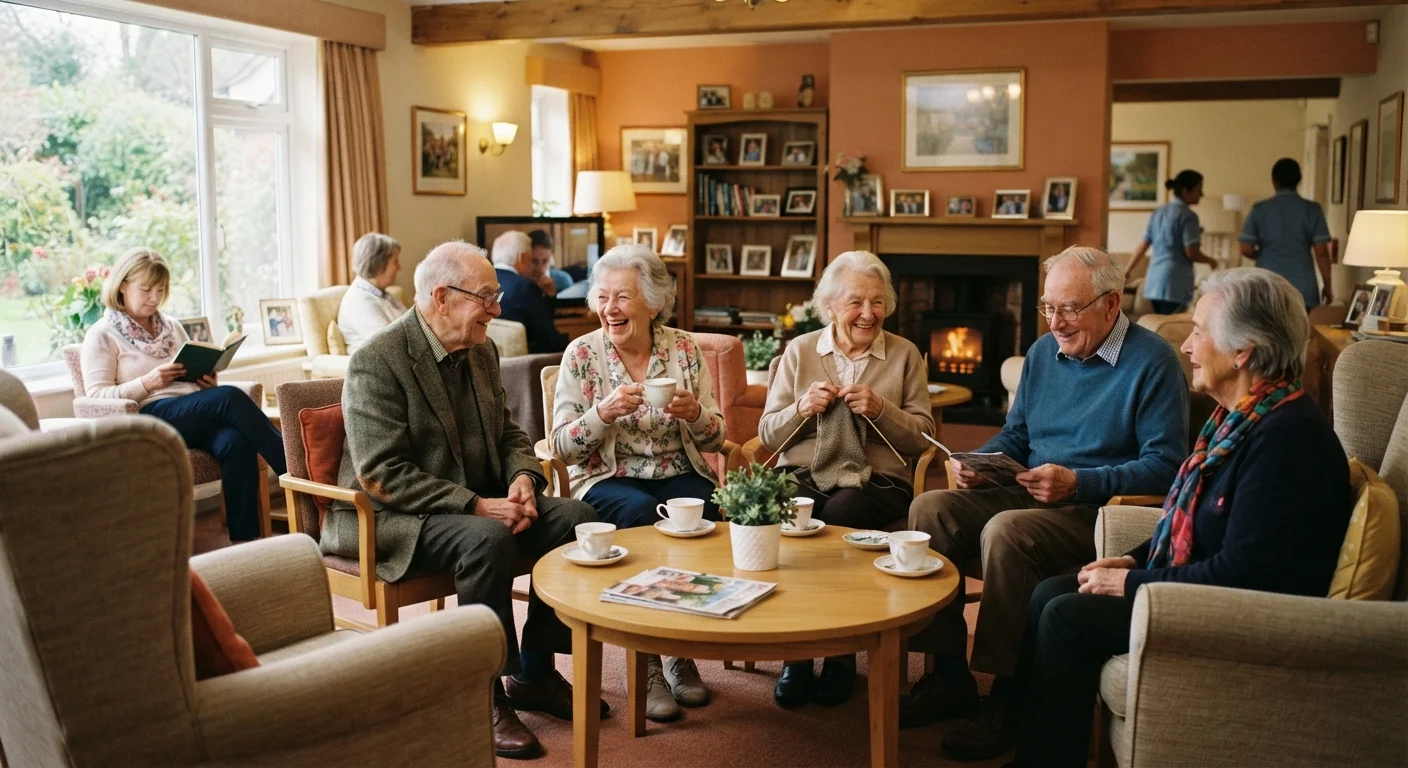
For many older adults, the goal is clear: stay at home, on their own terms, for as long as possible. About 77% of adults age 50 and older want to remain in their current residence as they age, according to AARP survey data. Yet most American homes were not built with later-life mobility or safety in mind.
The good news is that targeted modifications can meaningfully reduce fall risk, improve daily comfort, and support independence without requiring a full renovation. Falls are the leading cause of injury among adults 65 and older, according to the Centers for Disease Control and Prevention, and a large share of those falls happen inside the home. Many can be prevented with relatively straightforward changes.
This guide covers the categories of modifications worth considering, what each involves, and how to think about priorities. It is general educational information, not a substitute for a professional home assessment. For families weighing whether home modifications are the right path, our overview of senior living arrangements can help you think through the full range of choices.
Home modifications that support safe, independent living
The modifications below span the home from entryway to bedroom. Not every change will apply to every household. A licensed occupational therapist can assess which areas carry the most risk and which changes would have the greatest practical effect.
Grab bars and handrails throughout the home
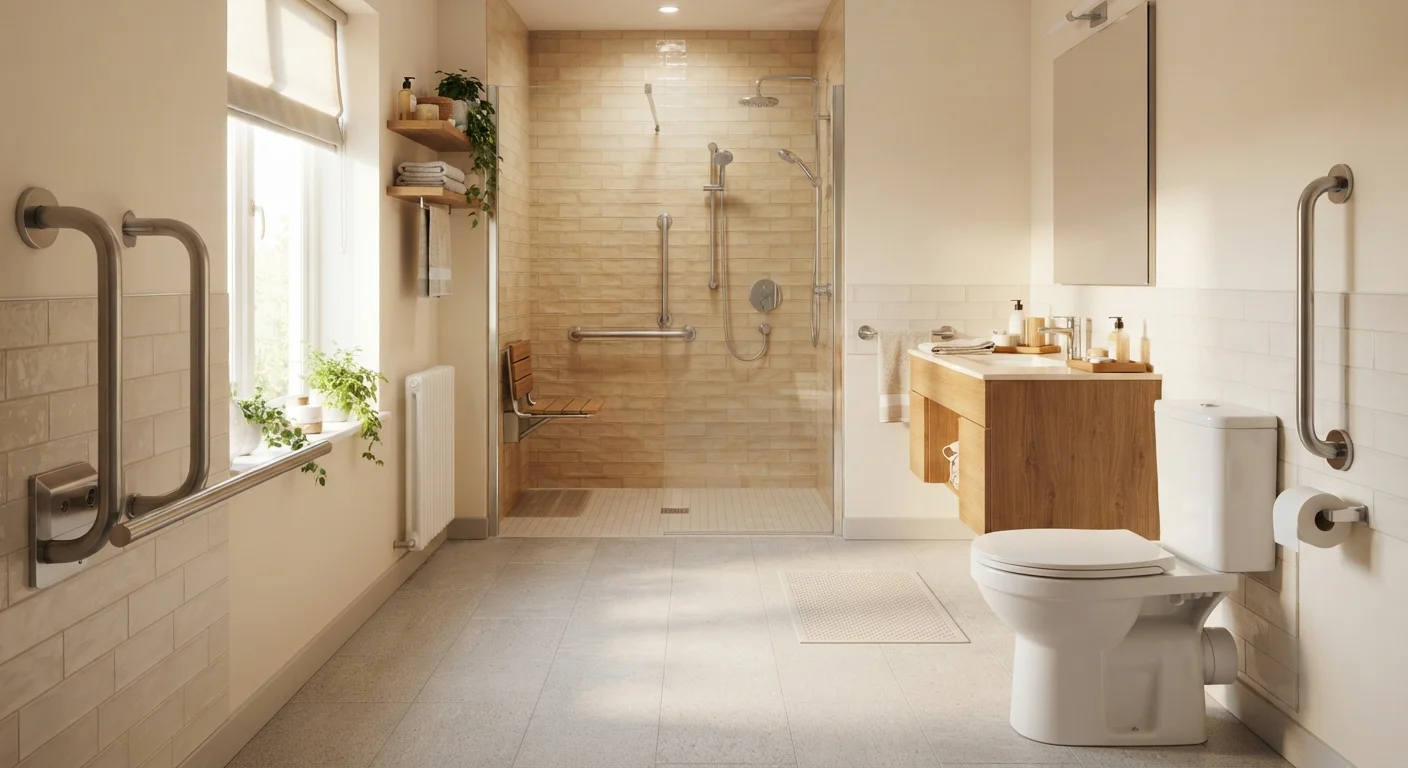
Grab bars are among the most evidence-supported modifications for fall prevention. They belong in the shower, beside the toilet, and along any staircase without a secure rail. Standard towel bars are not load-bearing and should not be substituted for purpose-built grab bars, which are typically anchored into wall studs or with toggle bolts rated for body weight.
Handrails on both sides of interior staircases provide more stability than a single rail, particularly for people with one-sided weakness. A licensed contractor or certified aging-in-place specialist (CAPS) can ensure proper installation.
Purpose-built grab bars anchored to studs are load-bearing; towel bars are not a safe substitute.
Bathroom modifications for safety and access
The bathroom carries a disproportionate share of home fall risk because of wet surfaces and confined spaces. A walk-in shower with a zero-threshold entry removes the step over a tub edge entirely. A handheld showerhead on an adjustable slide bar allows bathing while seated. A shower bench or fold-down seat lets someone bathe without standing for extended periods.
Non-slip mats secured to the floor (not loose rugs) reduce wet-floor hazards. Raised toilet seats or comfort-height toilets lower the physical demand of sitting and standing. These changes are often completed incrementally rather than all at once.
A zero-threshold shower entry removes one of the most common bathroom trip hazards for older adults.
Entryway and doorway accessibility
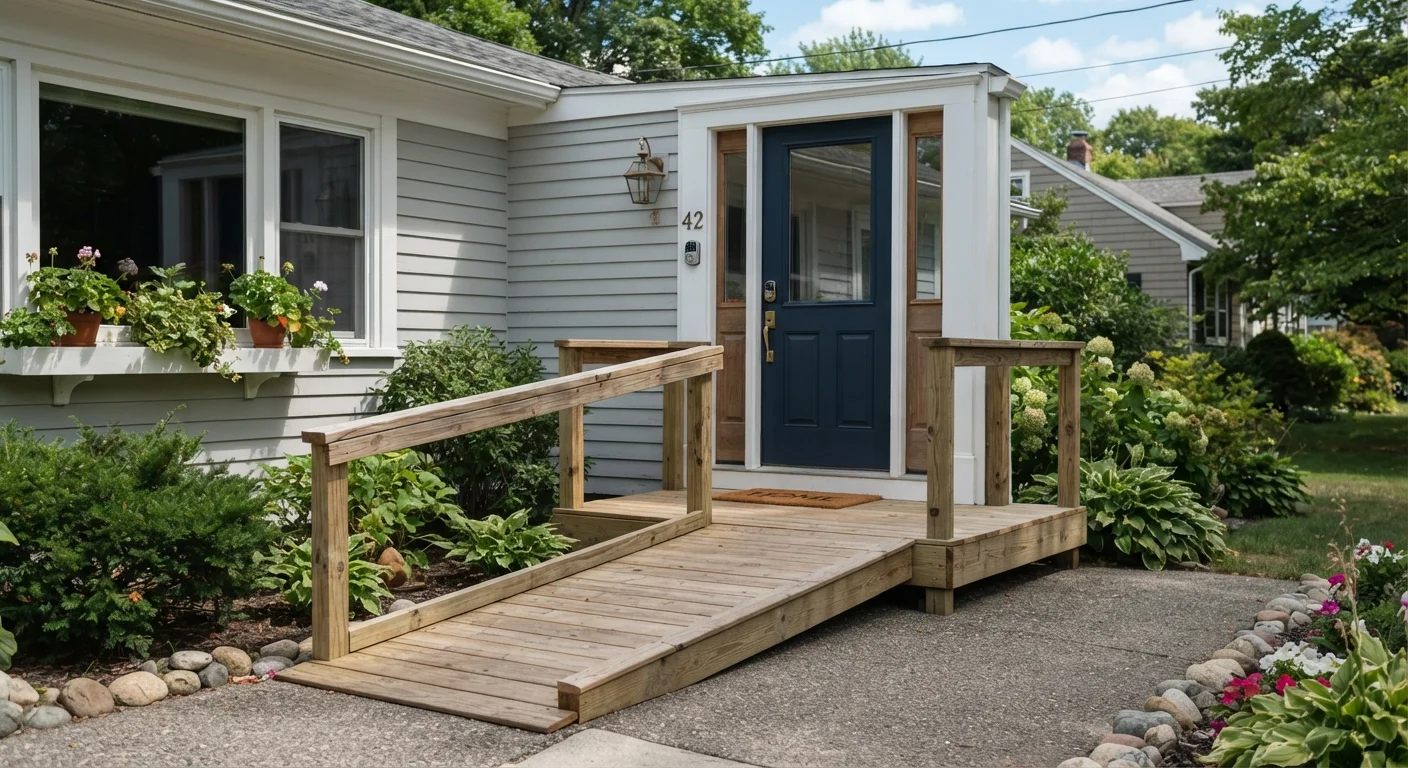
Standard doorways are 32 inches wide, which can restrict wheelchair or walker use. Widening to 36 inches typically requires framing work and permits; verify requirements with your local building department before starting. Where steps lead to the front door, a gently sloped ramp (no steeper than a 1:12 ratio per accessibility guidelines) can allow wheelchair and walker access.
Lever-style door handles are easier to operate than round knobs for people with arthritis or reduced grip strength. Keypad or smart locks eliminate the need to manage a key, which benefits people with dexterity limitations.
Lever door handles cost little and reduce strain considerably for anyone with arthritis or limited grip.
Lighting improvements
Poor lighting contributes to falls and disorientation, particularly for older adults whose eyes adjust more slowly to changes in light levels. Motion-activated night lights along hallways and in bathrooms reduce the hazard of navigating in the dark. Increasing bulb wattage in key areas and using LED bulbs with higher lumen output can make a practical difference.
Light switches at both ends of a hallway or staircase mean a person never has to walk through a dark area. Illuminated switch plates are inexpensive and easy to install.
Motion-activated night lights in hallways and bathrooms reduce navigation hazards after dark.
Flooring and surface adjustments
Loose rugs are a well-documented fall hazard and are generally better removed than secured with tape. If rugs are kept, non-slip backing and low pile reduce trip risk. High-contrast flooring transitions between rooms help people with low vision identify changes in surface level.
Thick carpet can make walker or wheelchair movement difficult. Low-pile carpet or hard flooring with non-slip area rugs (properly secured) tends to work better for mobility-aid users. Threshold strips between flooring types should be flush or very low-profile.
Removing loose rugs is one of the simplest changes a household can make to reduce fall risk immediately.
Smart-home tools for daily support
Voice-activated devices can turn lights on and off, set medication reminders, and make calls without requiring physical movement. Personal emergency response systems (PERS), which include wearable buttons that summon help when pressed, have been available for decades; newer versions include fall detection sensors that can trigger a call automatically.
Smart doorbells with video allow a resident to see and speak with visitors without going to the door. Smart thermostats with voice or large-button controls reduce the need to navigate a complex interface. These tools do not replace human support, but they can extend the period during which someone manages comfortably at home.
Personal emergency response systems with fall detection can summon help even if the wearer cannot press a button.
Bedroom and living area adjustments
Bed height matters. A bed that is too low requires significant effort to stand up from; one that is too high creates a fall risk when getting in. Adjustable bed risers or a new bed frame can bring the height to a level where the person's feet rest flat on the floor when seated at the edge.
Furniture arrangement affects mobility. Clear pathways of at least 36 inches allow walker or wheelchair movement. Removing low coffee tables or repositioning furniture creates more navigable space. Closet organizers that bring frequently used items to waist height reduce the need to reach overhead or bend low.
A properly adjusted bed height, where feet rest flat on the floor when seated at the edge, aids safe standing.
When to bring in a professional assessor
An occupational therapist (OT) with home modification experience can conduct a formal home safety assessment and identify risks a general walkthrough might miss. Some OTs specialize in aging-in-place planning and can produce a prioritized list of recommended changes. Medicare may cover OT services in certain circumstances; check with your plan or a Medicare counselor for details specific to your coverage.
Getting help with costs and planning
Modification costs vary widely. Installing grab bars may cost under $100 in materials if done by a handy family member, while widening doorways or adding a residential elevator runs into thousands of dollars. Several programs may offset expenses for eligible homeowners.
The U.S. Department of Housing and Urban Development (HUD) supports a network of housing counseling agencies that can explain local assistance programs. Some Area Agencies on Aging (AAAs), reachable through the Eldercare Locator at 1-800-677-1116, coordinate home modification services for qualifying older adults. Certain state Medicaid waiver programs also cover home modifications as part of home- and community-based services, though eligibility rules differ by state.
For context on financial tools available to retirees, the Home and Lifestyle hub covers home insurance and household services that intersect with these decisions. Families who are simultaneously evaluating care facilities may also find the comparison of assisted living, memory care, and skilled nursing useful for understanding when home modifications are sufficient and when a different level of support is needed.
This article is for general informational purposes only. It does not constitute home improvement, medical, legal, or financial advice. Consult qualified professionals, including a licensed contractor and an occupational therapist, before undertaking any modification project. Verify permit requirements with your local building authority.